
Why Am I Craving Pickles: Decoding Your Body’s Salty Signals
If you have recently stopped and wondered, “why am i craving pickles” out of the blue, you are certainly not alone. The human body operates as an incredibly sophisticated signaling network, constantly monitoring fluid levels, mineral balances, and hormonal shifts. When you suddenly feel an overwhelming desire for something intensely salty and sour, it is not merely a random passing thought. Your brain is sending a direct, highly specific message requesting rapid replenishment. These urges function similarly to a flashing dashboard light in a vehicle. Instead of ignoring the prompt, recognizing the physiological mechanism behind it helps you address the root cause, whether it involves mild dehydration, elevated stress levels, or a temporary electrolyte deficit. By learning to interpret these sudden flavor desires, you gain a practical advantage in managing your overall well-being. Think of cravings as biological text messages. When you decode them correctly, you give your system exactly what it requires to maintain equilibrium. The combination of sodium, water, and acidic tang offers a fast-acting remedy for cellular fatigue. Rather than brushing off the sensation, paying attention to this specific physiological request allows you to proactively adjust your daily habits, ensuring your system remains balanced and energized.
Understanding the Core Benefits and Potential Drawbacks
When you feel the urge for a crisp, briny snack, your system is usually hunting for a specific nutrient profile. Giving in to this request can offer immediate relief, particularly if you have been sweating heavily, experiencing muscle cramps, or managing physical stress. The rapid influx of sodium helps your cells retain water, quickly restoring fluid balance. However, relying solely on highly processed snacks to manage mineral needs can introduce excessive dietary sodium, potentially leading to increased blood pressure or fluid retention if consumed recklessly. The key lies in understanding the difference between genuine nutritional needs and habitual snacking. Traditional fermented varieties offer live cultures and complex acids, while modern mass-produced options often rely entirely on vinegar and refined salt. Both satisfy the immediate urge, but they impact your internal environment differently.
Read also: Cortisol Tea: Balance Your Stress Hormones Naturally; Best Pickled Beets Benefits for Your Daily Diet.
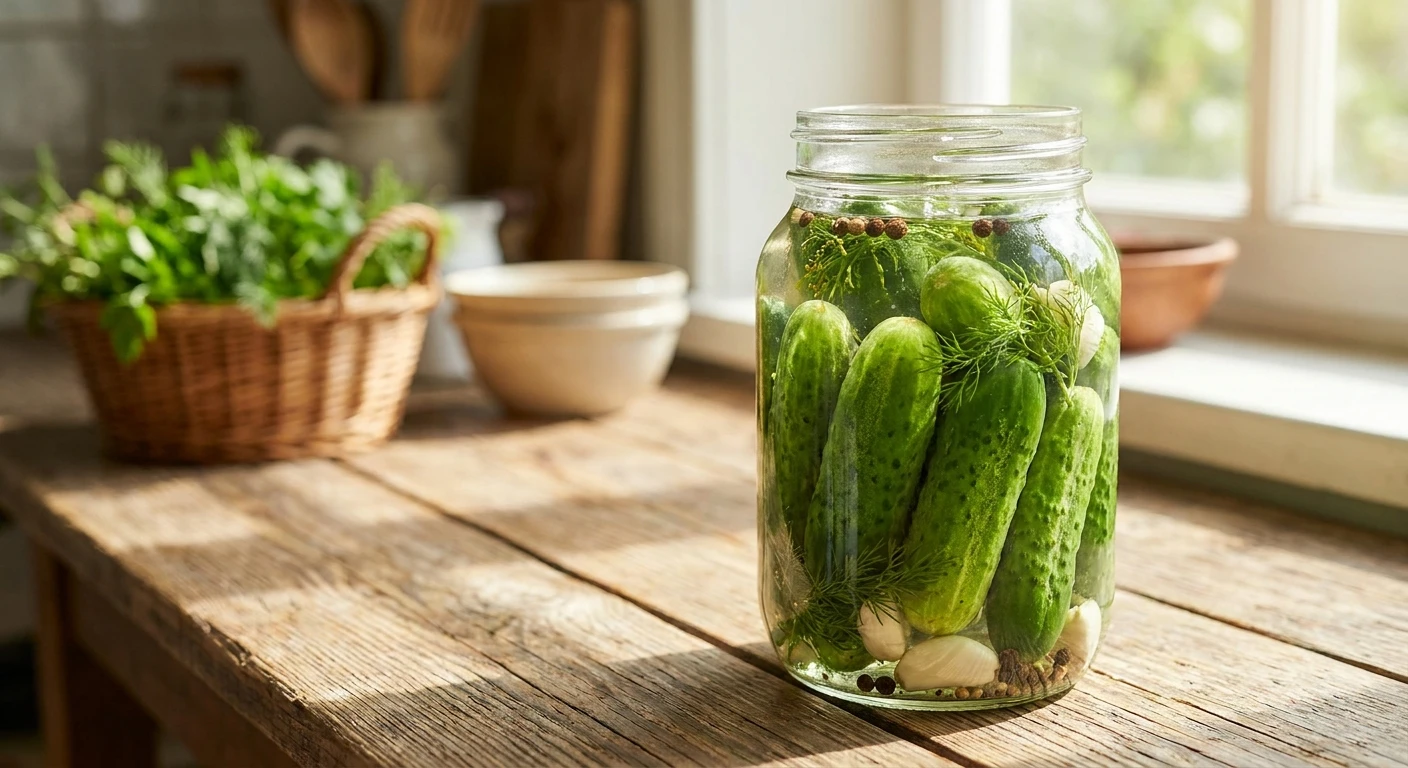
Consider the core nutritional breakdown of a standard dill spear to understand exactly what you are consuming when you give in to the craving.
| Nutrient Component | Average Amount (1 Large Spear) | Primary Health Function |
|---|---|---|
| Sodium | 300 – 400 mg | Restores electrolyte balance and aids in fluid retention during dehydration. |
| Potassium | 20 – 30 mg | Works alongside sodium to regulate muscle contractions and nerve signals. |
| Vitamin K | 15 – 20 mcg | Supports healthy blood clotting mechanisms and overall bone metabolism. |
| Probiotics (If Fermented) | Variable | Populates the digestive tract with beneficial bacteria for enhanced immunity. |
To maximize the value proposition of these snacks, focus on their specific functional benefits. For example, if you are an endurance athlete finishing a long run, sipping the leftover brine delivers a rapid electrolyte payload that commercially branded sports drinks often struggle to match. Alternatively, if you are managing digestive sluggishness, opting for naturally fermented cucumbers adds a dense concentration of beneficial microbes to your gut lining. Here are the primary physiological reasons your system demands this specific combination of salt and acid:
- Rapid Hydration Support: The high sodium content forces your body to hold onto water, directly combating the early stages of dehydration.
- Muscle Cramp Relief: The sharp presence of acetic acid in the brine triggers a reflex in the back of the throat that disrupts the neurological signals causing muscle spasms.
- Adrenal Fatigue Compensation: When cortisol levels peak due to chronic stress, your adrenal glands burn through sodium at an accelerated rate, triggering an intense biological demand for replacement.
The Ancient Origins of Fermented Foods
To truly understand why humans have evolved to crave salty, acidic foods, you have to look back at our collective culinary history. Long before the invention of mechanical refrigeration, early civilizations faced a constant struggle to preserve the harvest through long, brutal winters and scorching summers. The solution emerged thousands of years ago in ancient Mesopotamia, where people discovered that submerging vegetables in a mild saline solution triggered a natural fermentation process. This method utilized wild, naturally occurring bacteria to convert natural sugars into lactic acid, creating an inhospitable environment for harmful spoilage bacteria.
Evolution of the Brine Process
As trade routes expanded across continents, the preservation process evolved from a mere survival necessity into a refined culinary art. Merchants traveling along the Silk Road introduced exotic spices, garlic, and dill into the traditional salt-water mixtures. During the Age of Exploration, sailors relied heavily on these preserved foods to prevent scurvy on long voyages, capitalizing on the retained vitamin C. By the time the industrial revolution reorganized food production, manufacturers began swapping the lengthy, unpredictable natural fermentation process for immediate pasteurization and vinegar-based brines. This shift standardized the flavor profile but stripped away the live bacterial cultures that defined the original recipes.
The Modern State of Pickle Consumption
Today, the landscape of preserved foods is deeply divided. On one side, massive commercial facilities churn out perfectly uniform, shelf-stable jars that dominate grocery store aisles, offering immediate satisfaction for sodium cravings. On the other side, a massive resurgence in artisanal, small-batch fermentation has taken hold. Health-conscious consumers are actively seeking out cloudy, unpasteurized jars found exclusively in refrigerated sections. This modern renaissance highlights a growing awareness that not all cravings are created equal, and satisfying them with historically accurate, probiotic-rich methods yields significantly better long-term health outcomes.
Electrolytes and Cellular Hydration
When you break down the biological mechanics, the craving for intensely salty foods is intimately tied to the concept of cellular homeostasis. Homeostasis is the precise, dynamic state of balance your body maintains to keep everything functioning correctly. Inside your bloodstream and cellular fluid, a delicate ratio of electrolytes—primarily sodium, potassium, calcium, and magnesium—must be maintained. When you sweat, whether from intense exercise, a hot climate, or even a low-grade fever, you lose water and sodium simultaneously. If you replenish the water without replacing the sodium, your blood becomes diluted. The brain detects this drop in blood sodium concentration (a condition known medically as hyponatremia) and immediately fires off powerful neurological signals demanding salt. The tartness of vinegar enhances this sensory experience, tricking the brain into feeling a rapid, satisfying quench. This mechanism is entirely involuntary and represents a highly effective survival trait passed down through generations.
Hormonal Triggers: Cortisol and Aldosterone
Beyond simple dehydration, your endocrine system plays a massive role in dictating flavor preferences. The adrenal glands, situated just above your kidneys, are responsible for producing several crucial hormones, including cortisol (the stress hormone) and aldosterone (the hormone responsible for managing sodium retention). When you experience prolonged emotional or physical stress, your adrenal glands operate in overdrive. They continuously pump out cortisol to keep you alert, which inadvertently disrupts the production of aldosterone. As aldosterone levels fluctuate, your kidneys begin filtering out and excreting sodium at a much faster rate than normal. Consequently, your body senses the rapid depletion of its mineral reserves and generates a targeted craving to replace the lost salt instantly. The science behind these physiological requests is precise and measurable:
- Sodium chloride acts as the primary driver for electrical impulses in the nervous system, meaning low levels directly impair cognitive and muscular function.
- The acetic acid found in standard commercial brine can slightly blunt blood sugar spikes when consumed alongside carbohydrates, creating a stabilizing metabolic effect.
- Lactic acid, present exclusively in naturally fermented varieties, acts as a signaling molecule in the gut, promoting the growth of a robust mucosal lining.
- During the luteal phase of the menstrual cycle, shifting estrogen and progesterone levels alter fluid dynamics, frequently triggering acute sodium demands.
Day 1: Assess Your Hydration Levels
If you find yourself constantly battling the urge for salty snacks, your first step is auditing your baseline fluid intake. Track exactly how much plain water you consume over a 24-hour period. Often, chronic dehydration masquerades as a persistent food craving. Start your morning with a large glass of water containing a tiny pinch of high-quality sea salt to gently prime your electrolyte balance before the day begins.
Day 2: Differentiate Between Hunger and Thirst
Your brain frequently crosses the signals for thirst and hunger. When the urge for a crisp, salty snack hits, drink twelve ounces of water and wait exactly twenty minutes. If the craving dissipates, your system was simply requesting hydration. If the intense desire remains, you are likely dealing with a genuine mineral deficit that needs to be addressed through diet.
Day 3: Introduce Natural Probiotics
Swap out the neon-green, shelf-stable jars in your pantry for a brand found in the refrigerated section. Look for labels that explicitly state “naturally fermented” or “contains live cultures.” Introduce one spear to your lunch to see how your digestive system reacts. The natural lactic acid provides a different, more complex flavor profile while simultaneously supporting your intestinal microbiome.
Day 4: Balance Potassium and Sodium
Consuming large amounts of sodium requires a counterweight. Potassium works in tandem with sodium to push fluid into your cells and regulate blood pressure. On day four, pair your salty snack with a high-potassium food. Eat a banana, half an avocado, or a handful of spinach alongside your lunch to ensure the sudden influx of salt does not disrupt your cellular equilibrium.
Day 5: Monitor Your Stress and Cortisol
Take an honest inventory of your current stress levels. Are you running on minimal sleep? Are work deadlines piling up? Since exhausted adrenal glands dump sodium, combating the craving means addressing the stress. Implement a strict ten-minute breathing routine in the evening to actively lower your cortisol production, thereby reducing the adrenal demand for excess minerals.
Day 6: Upgrade to Naturally Fermented Varieties
Dedicate this day to fully transitioning your palate. Vinegar-based options provide a sharp, immediate tang, but they lack biological depth. Commit to eating only the fermented varieties today. Notice how the sourness feels different on the tongue and observe any changes in your afternoon energy levels or digestive comfort after meals.
Day 7: Create a Sustainable Snacking Routine
Establish a balanced, long-term protocol. You do not need to eliminate these snacks entirely. Instead, assign them a strategic role in your diet. Keep a jar on hand for post-workout recovery or high-stress afternoons, limiting your intake to one or two servings per day. By systematizing your consumption, you satisfy the biological urge without overwhelming your system with unnecessary dietary sodium.
Myths & Reality
Myth: Craving pickles means you are definitely pregnant. Reality: While hormonal fluctuations during pregnancy certainly alter taste preferences and fluid dynamics, this craving is incredibly common among non-pregnant individuals. High-performance athletes, people working in hot environments, and anyone experiencing chronic stress will frequently experience the exact same intense desire for salt and acid.
Myth: Drinking the leftover brine is dangerous and toxic. Reality: For most healthy individuals, the leftover liquid is perfectly safe and actually functions as a potent, fast-acting electrolyte replacement. Professional athletic trainers frequently utilize small doses of the juice to instantly stop severe muscle cramps on the field.
Myth: All store-bought varieties will improve your gut health. Reality: The vast majority of jars sitting on standard grocery store shelves have been pasteurized and brined in distilled vinegar. This heating process completely eradicates any beneficial bacteria, meaning they provide absolutely no probiotic benefits whatsoever. Only unpasteurized, naturally fermented options support the microbiome.
Does a pickle craving mean I have a nutrient deficiency?
It typically indicates a temporary imbalance rather than a chronic, dangerous deficiency. Your body is usually signaling a need for sodium, water, or general electrolytes lost through sweat, stress, or normal metabolic functions.
Can stress make me crave salty foods?
Yes, significantly. Chronic stress elevates cortisol, which strains the adrenal glands and disrupts the hormone aldosterone. This disruption causes your kidneys to flush out sodium rapidly, triggering a sharp biological demand to replace it.
Is it safe to drink the leftover brine?
For individuals with normal blood pressure, consuming small amounts (two to three ounces) is generally safe and highly effective for relieving muscle spasms and restoring hydration after heavy physical exertion.
How many pickles are safe to eat in one day?
Tolerance varies wildly based on your cardiovascular health and activity level. For a healthy, active adult, consuming one or two spears daily poses no risk. However, consuming an entire jar can easily push you over your daily recommended sodium limit.
Do cravings indicate dehydration?
Very often, yes. The brain frequently misinterprets the body’s need for fluids as a desire for salty, water-rich foods. Because cucumbers are primarily water and the brine is heavily salted, they represent a perfect biological fix for mild dehydration.
Are sweet pickles just as helpful?
Sweet varieties, such as bread and butter chips, contain significantly more refined sugar. While they still offer sodium, the added sugar load negates many of the metabolic benefits, making them less ideal for pure electrolyte replenishment.
What happens if I eat too much sodium?
Excessive sodium intake forces your cardiovascular system to hold onto excess fluid, increasing blood volume. Over time, this places unnecessary strain on your blood vessels and heart, potentially leading to hypertension and generalized bloating.
Understanding the intricate signals your body sends is the foundation of optimal health. If you find yourself consistently fighting the urge to empty a jar of salty snacks, pause and analyze your daily habits. Are you drinking enough water? Are you managing your stress effectively? Are you replacing the minerals you sweat out? By recognizing these cravings as biological feedback rather than random urges, you can make smarter, more proactive decisions about your nutrition. Take control of your daily routines, upgrade the quality of your snacks to naturally fermented options, and ensure your baseline hydration is always fully supported.

Leave a Reply