
What is Lanolin? The Ultimate Guide to Nature’s Ultimate Moisturizer
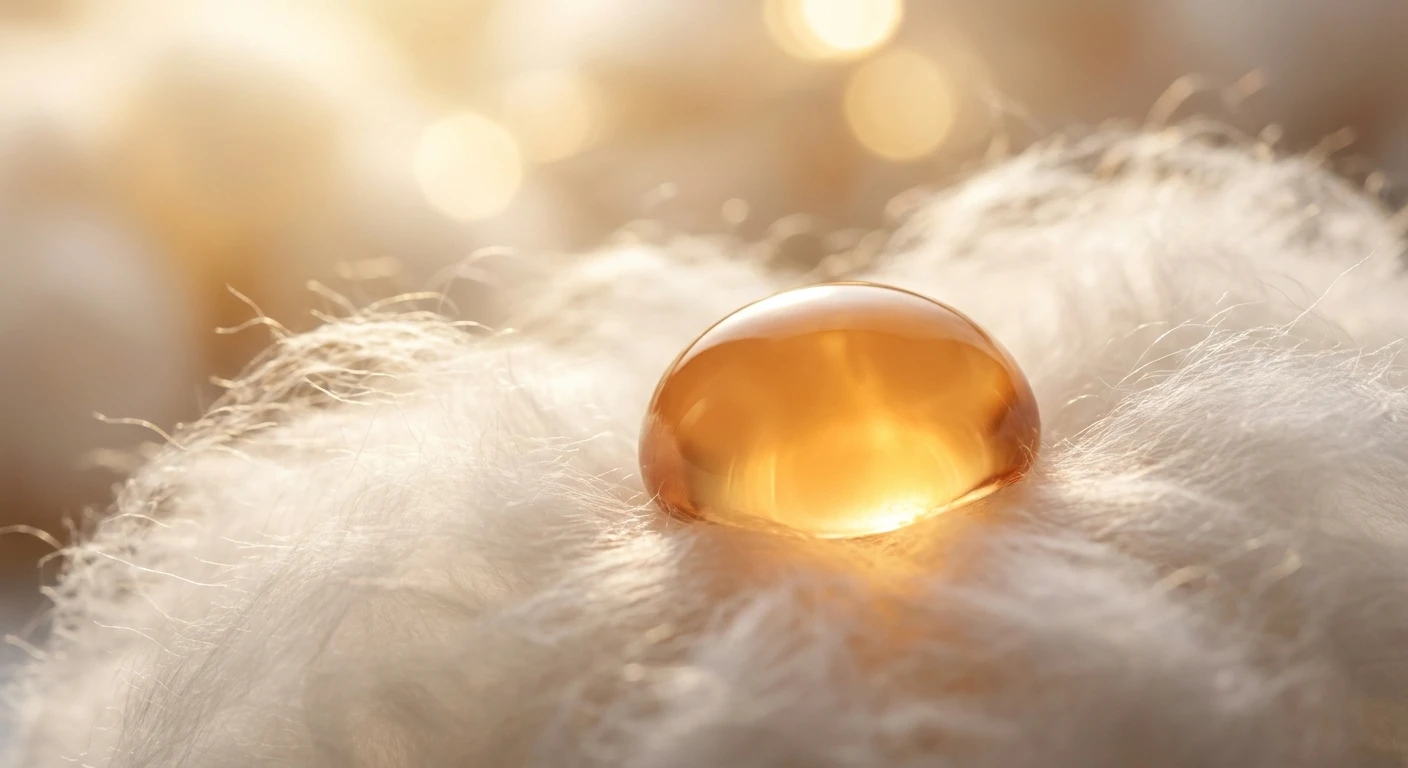
Have you ever scanned the ingredient list on a heavy-duty lip balm or a medical-grade healing ointment and asked yourself exactly what is lanolin? You are certainly not alone. This powerful, naturally occurring substance is one of the most effective, yet frequently misunderstood, ingredients in both the cosmetic and industrial worlds. At its core, it is a waxy secretion produced by the sebaceous glands of wool-bearing animals, predominantly domestic sheep. Its primary biological function in nature is to condition the animal’s fleece, providing exceptional waterproofing properties that protect the sheep from harsh, freezing rain and environmental damage. Rather than being a synthetic laboratory creation, it is harvested as a completely natural byproduct during the routine, cruelty-free shearing process required for animal welfare. When raw wool is washed and processed, this thick, golden-yellow grease is carefully extracted, purified, and refined. The resulting substance is an incredibly potent emollient that closely mimics the natural lipid profile of human skin. By forming a breathable, semi-permeable barrier on the skin’s surface, it locks in essential moisture, accelerates the healing of minor abrasions, and provides unmatched protection against extreme weather conditions. Whether you are battling severely chapped lips in the dead of winter, searching for a natural barrier cream, or simply curious about traditional dermatological remedies, understanding the unique properties of this wool wax will fundamentally change how you approach skin hydration and barrier repair.
Core Benefits and Daily Applications of Wool Wax
The sheer versatility of this natural ingredient is nothing short of remarkable. Unlike lighter lotions that evaporate within minutes, this dense wax offers unparalleled staying power. When applied topically, it does not merely sit on top of the epidermis; it actively penetrates the stratum corneum while simultaneously leaving a protective layer. This dual action makes it a staple for severe skin conditions and occupational hazards. For instance, nursing mothers frequently rely on highly purified, medical-grade versions to soothe and heal cracked nipples, as it is uniquely safe for infants to ingest in trace amounts. Similarly, mechanics and maritime workers use industrial-grade variations as an eco-friendly rust preventative and mechanical lubricant, showcasing its heavy-duty moisture-repelling capabilities. The value proposition here is clear: you get a biocompatible, heavy-duty barrier that holds up under extreme mechanical and environmental stress.
Read also: Pain Under Armpit: Causes, Symptoms, and Complete Action Pla; What Causes Hard White Bumps on Face and How to Treat Them.
| Emollient Type | Primary Source | Breathability on Skin |
|---|---|---|
| Pure Lanolin | Sheep Wool | High (Semi-permeable barrier) |
| Petroleum Jelly | Fossil Fuels / Crude Oil | Low (Highly occlusive) |
| Raw Shea Butter | African Karite Tree Nuts | Medium (Absorbs quickly) |
To truly grasp its superiority, consider these three distinct physiological advantages:
- Unmatched Moisture Retention: It has the unique ability to absorb up to four times its own weight in water. When applied to damp skin, it traps that hydration deeply within the cellular matrix, preventing trans-epidermal water loss better than most synthetic alternatives.
- Skin Barrier Restoration: Because its complex chemical structure is remarkably similar to human sebum, the skin readily accepts it. It fills in the microscopic cracks of dry, damaged skin, restoring structural integrity without disrupting natural cellular turnover.
- Extreme Weather Shielding: It maintains its viscous consistency across a wide range of temperatures. It will not freeze easily on your skin during sub-zero winter hikes, nor will it instantly melt and run off during hot summer exposure, making it the ultimate all-season environmental shield.
Origins of Wool Wax in Antiquity
The utilization of this remarkable substance is by no means a modern invention. Ancient civilizations were acutely aware of the healing properties hidden within unwashed wool. The ancient Greeks and Romans routinely used raw, unrefined wool grease, which they referred to as oesypum. Prominent historical figures in early medicine, such as the Greek physician Dioscorides, extensively documented its application for treating everything from severe topical wounds to common dermatological ailments. Back then, the extraction process was incredibly rudimentary, often involving boiling raw wool in massive cauldrons of water and painstakingly skimming the floating grease off the surface by hand. Despite the strong, pungent odor of the unrefined product, its healing efficacy made it an invaluable commodity in ancient apothecaries.
The Evolution of Extraction Techniques
As history progressed into the industrial revolution of the 19th century, the processing of wool underwent a massive technological leap. The invention of high-speed centrifugal separators revolutionized how wool grease was harvested. Instead of manual skimming, large-scale wool scouring facilities began using specialized chemical washes and mechanical centrifuges to strip the grease from the fleece rapidly and efficiently. This era marked the birth of commercial production. Scientists began developing complex refining techniques to remove the strong natural odors, neutralize environmental impurities, and lighten the color of the wax. This technological evolution transitioned the substance from a harsh, farm-level remedy into a cosmetically elegant ingredient suitable for high-end pharmaceutical ointments and luxury beauty creams.
Modern State of Lanolin Production
Today, the production standards are incredibly rigorous. Modern extraction is entirely cruelty-free, as it takes place long after the sheep have been safely sheared and returned to their pastures. The raw grease undergoes extensive molecular distillation to produce ultra-pure, medical-grade products. Contemporary facilities utilize advanced chromatography and rigorous testing protocols to ensure the final product is completely free of agricultural pesticides, allergens, and environmental contaminants. This high level of purification has dramatically reduced the incidence of allergic reactions, allowing even those with highly sensitive, eczema-prone skin to benefit from its exceptional moisturizing properties.
Chemical Composition of Sebum and Waxes
To appreciate how it functions, we must look at its molecular architecture. Botanically and chemically speaking, it is not actually a fat, but rather a complex wax. It is composed of a staggering array of long-chain waxy esters, aliphatic alcohols, sterols, and triterpene alcohols. In fact, analytical chemists have identified more than 10,000 distinct esters within a single sample. One of the most critical components is its high concentration of cholesterol and related sterols, which perfectly mirror the lipids found in the outermost layer of human skin. This biochemical compatibility is exactly why it integrates so seamlessly with our natural moisture barrier, acting as a direct replacement for depleted natural oils.
How Emollients Bond with Human Skin
The mechanics of how this wax interacts with the epidermis rely heavily on hydrogen bonding. Because it contains both hydrophobic (water-repelling) and hydrophilic (water-attracting) components, it acts as a natural emulsifier. When applied, the hydrophilic heads bind to the trace amounts of water present on the skin’s surface, while the hydrophobic tails face outward, creating an impenetrable shield against dry air. This structure allows the skin to breathe—expelling carbon dioxide and absorbing oxygen—while completely halting the evaporation of internal moisture.
- It possesses a melting point of approximately 38 to 42 degrees Celsius, perfectly aligning with human body temperature for smooth application.
- It can act as a powerful water-in-oil emulsifier, allowing cosmetic chemists to blend large amounts of water into heavy creams without separation.
- The presence of free aliphatic alcohols provides inherent antimicrobial properties, naturally extending the shelf life of products it is formulated into.
Day 1: Baseline Patch Testing
Before embarking on any intensive skincare regimen, safety comes first. On your first day, apply a small, pea-sized amount of highly refined medical-grade wax to the inside of your wrist or elbow. Leave it completely undisturbed for 24 hours. Because pure formulations are thick and sticky, you will immediately notice the heavy texture. This initial step ensures you do not have any rare sensitivities to wool alcohols, allowing you to proceed with confidence.
Day 2: The Overnight Lip Treatment
Chapped lips are notoriously difficult to heal because they lack their own sebaceous glands. On the second evening, before going to bed, gently exfoliate your lips with a damp, warm washcloth. Once dry, apply a generous, thick layer of the pure wax. Unlike standard petroleum-based lip balms that rub off on your pillow within minutes, this heavy-duty barrier will remain intact until morning, facilitating deep overnight cellular repair.
Day 3: Cuticle and Nail Bed Repair
Constant hand washing and exposure to harsh cleaning chemicals can destroy the delicate skin around your nails, leading to painful hangnails. Take a small amount of the wax, warm it thoroughly between your thumb and index finger to soften the esters, and aggressively massage it directly into your cuticles and the base of each nail. The wax will rapidly condition the tough keratin, preventing future splitting and encouraging healthy nail growth.
Day 4: Rough Elbow and Heel Mask
Elbows and heels feature some of the thickest, most heavily callused skin on the human body. To tackle these stubborn areas, take a warm shower to soften the dead skin cells. Immediately upon stepping out, while your skin is still visibly damp, coat your heels and elbows with a thick layer of the wax. Immediately put on thick cotton socks and long sleeves. This creates a hyper-hydrating micro-environment that forces moisture deep into the calluses.
Day 5: Windburn Prevention for Outdoor Activities
If you are planning to spend time outdoors in harsh, windy, or freezing weather, this wax is your ultimate defense. Before leaving the house, apply a very thin, even layer across your cheeks, the bridge of your nose, and any other exposed areas. The semi-permeable film will aggressively deflect the cold air, completely preventing the painful redness, micro-tearing, and severe dehydration commonly known as windburn.
Day 6: Blending with Lighter Lotions
Pure wool wax can be incredibly dense and somewhat difficult to spread over large areas of the body, like the legs or back. On day six, practice custom formulation. Take your favorite lightweight daily body lotion in the palm of your hand and mix in a tiny, pea-sized drop of the warmed wax. Blend them together vigorously. This instantly upgrades a standard, watery lotion into a deeply nourishing, heavy-duty barrier cream.
Day 7: Evaluating Skin Barrier Health
By the final day of this regimen, take time to evaluate the structural integrity of your skin. Areas that were previously rough, ashy, or prone to cracking should now feel remarkably supple, highly elastic, and deeply moisturized. The skin barrier is now heavily fortified, meaning you can dial back the pure wax application to just two or three times a week for ongoing maintenance rather than acute repair.
Separating Myth from Reality
Because this ingredient has been utilized for centuries, several persistent myths continue to circulate in modern beauty communities. Myth: The harvesting process causes physical harm and distress to sheep. Reality: Shearing is a highly necessary agricultural practice required to prevent sheep from overheating, developing dangerous skin infections, or becoming immobilized by heavy, matted fleece; the wax is safely washed out of the shorn fleece long after the animal has walked away. Myth: It is a highly comedogenic substance that will immediately trigger severe cystic acne breakouts. Reality: While it is indeed a heavy, dense material that should be used cautiously on acne-prone facial skin, it is largely non-comedogenic for the vast majority of body skin, especially when applied correctly in thin, breathable layers. Myth: Everyone with sensitive skin is severely allergic to it. Reality: Documented clinical allergies to pure, modern medical-grade versions are exceedingly rare; historical reactions were almost entirely caused by residual agricultural impurities that are completely eliminated by today’s advanced purification technologies.
Is lanolin considered a vegan ingredient?
No, it is strictly classified as an animal byproduct. Because it is derived from the fleece of living sheep, it does not meet vegan criteria, although it is entirely vegetarian and certified cruelty-free by many organizations.
Can I safely use it on newborn baby skin?
Yes, highly purified, medical-grade formulations are incredibly safe and are frequently recommended by pediatricians for treating severe diaper rash, preventing cheek chapping, and moisturizing dry infant skin.
Does pure wool wax ever expire or go bad?
Like all natural biological products, it can eventually degrade. While it has a very long shelf life, exposure to intense heat, direct sunlight, and oxygen can cause it to oxidize and go rancid over several years, developing a sour odor.
Why does the unrefined version smell so weird?
Raw, unrefined grades retain the natural, musky scent of the sheep’s sebaceous secretions. However, the cosmetic grades used in premium skincare are heavily distilled and deodorized, rendering them virtually odorless.
Can it be used to treat severe eczema?
Many dermatologists recommend it to help soothe dry, scaly patches associated with eczema, as it fiercely protects the compromised skin barrier. Always perform a patch test first to ensure individual compatibility.
Is it safe to use on dogs or other pets?
It is generally considered safe and is frequently found in high-quality pet balms designed to heal dry, cracked paw pads and dry snouts. However, you should prevent your dog from actively licking and ingesting large amounts.
How do I remove pure grease stains from my clothing?
Because it is a highly resilient wax, standard cold-water washing will not work. You must treat the fabric with a strong, grease-cutting dish soap, let it sit for ten minutes, and then wash the garment in the hottest water the fabric can tolerate.
Understanding exactly what this incredible substance is empowers you to make highly informed decisions about your personal care routine. From its ancient origins protecting the flocks on rugged mountainsides to its modern incarnation in advanced pharmaceutical ointments, this natural wax remains one of the most effective tools for combating severe dryness and environmental damage. Now that you are fully equipped with the knowledge of how it actively repairs and shields the human skin barrier, take a moment to review the ingredient lists of your winter skincare stash. Upgrading your daily routine with this powerhouse emollient might just be the permanent solution to your most stubborn dry skin problems.

Leave a Reply