
How to Finally Beat Stomach Pain In The Morning
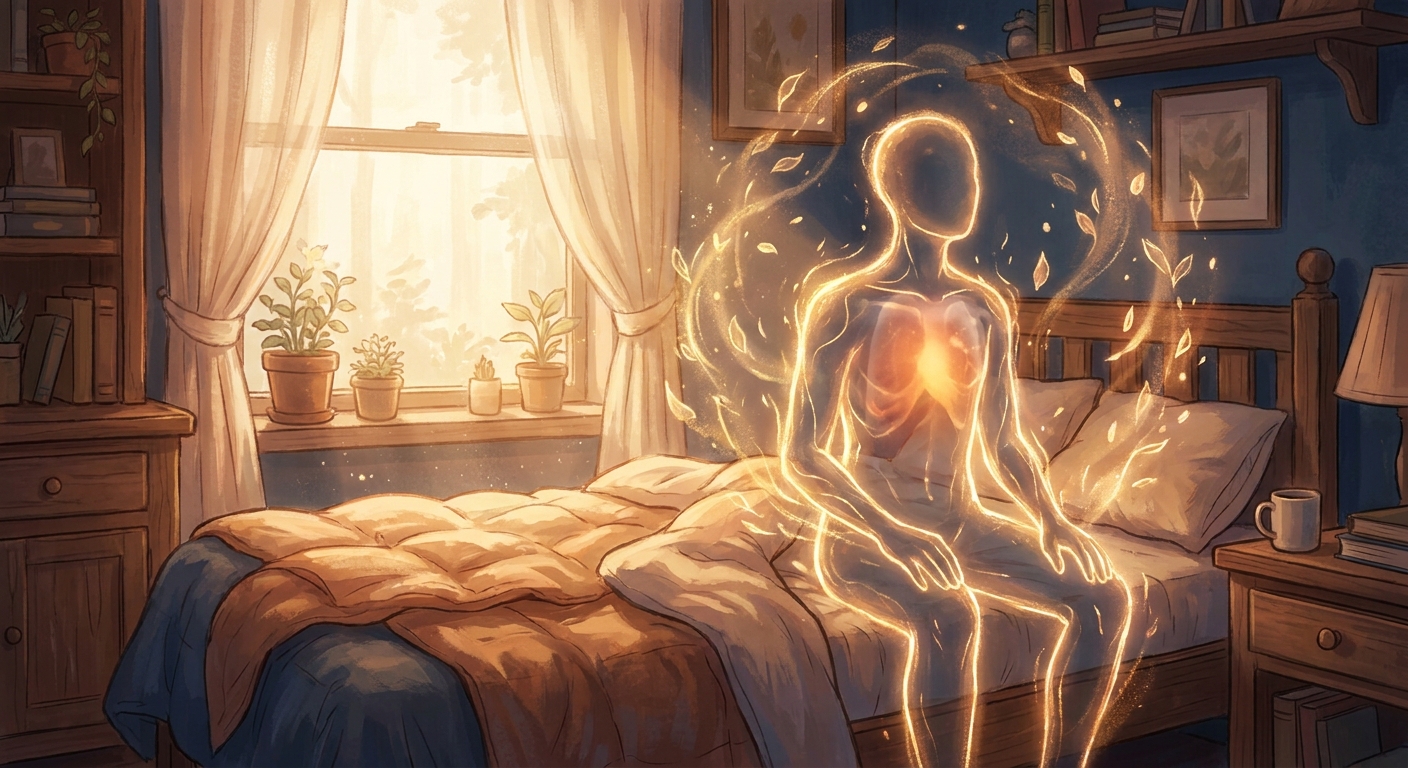
Waking up to a sharp or aching stomach pain in the morning is honestly the worst way to start your day. You open your eyes, stretch, and immediately feel that tight, uncomfortable cramping right in your gut. It totally ruins your mood before your feet even hit the floor.
Let me tell you a quick story. Last winter, right here in the heart of Kyiv, I was freezing as I rushed out to grab my usual double espresso near Khreshchatyk. The air was brutally cold. Out of nowhere, my stomach cramped up so severely I literally had to sit down on an icy wooden bench and catch my breath. I honestly thought something was critically wrong with me. I missed my morning meeting, spent half the day curled up in bed, and felt completely drained. It was terrifying.
What I learned after that terrifying morning changed my entire perspective on digestion. Those early cramps aren’t just random bad luck or a weird fluke. Your digestive system is talking to you. When you experience these symptoms, your body is sounding a massive alarm, asking for a serious lifestyle adjustment. I am going to walk you through exactly why your stomach is rebelling against you at the crack of dawn, and exactly what you need to do to fix it, friend-to-friend. No confusing medical jargon, just straight facts and a solid game plan so you can finally wake up feeling energetic and completely pain-free.
The Real Reasons Your Gut Hurts Early On
Listen, brushing off early morning gut issues is a massive mistake. If you just pop an aspirin and hope it goes away, you are basically putting a tiny band-aid on a leaky pipe. The sheer value of fixing your morning digestion is massive. Imagine waking up light, completely free of bloating, and ready to tackle your tasks. When your gut works correctly, your brain fog disappears, your energy stays completely stable throughout the day, and you actually feel hungry for breakfast instead of feeling nauseous. I’ve seen exactly how fixing this can upgrade someone’s daily routine. Look at my friend Max, who used to skip breakfast completely because of nausea—now he’s up at 6 AM cooking eggs. Or my sister Elena, who ditched her daily antacids just by changing her evening routine.
Before we fix it, we need to know what is actually triggering the issue. Here are the top offenders messing up your mornings:
- Acid Reflux and Silent GERD: When you lie flat for eight hours, stomach acid easily creeps up your esophagus. You might not feel heartburn, but you will definitely feel a dull, gnawing pain right below your ribs when you wake up.
- Severe Nighttime Dehydration: You lose a massive amount of water simply by breathing while you sleep. If your gut lacks water, it cannot process the leftover waste from dinner, leading to hard, painful cramps.
- Heavy Late-Night Eating: Forcing your digestive system to process a massive meal while your entire body is trying to shut down and repair itself is a recipe for disaster. Your stomach basically goes into overdrive while you are unconscious.
To make this super simple to understand, I broke down the most common morning scenarios into a quick cheat sheet for you:
| Root Cause | Physical Sensation | Immediate Fix |
|---|---|---|
| Trapped Gas | Sharp, stabbing pains that move around | Light stretching and walking around the room |
| Dehydration Cramps | Dull, heavy, tight feeling in the lower gut | Drink a large glass of warm water slowly |
| Acid Pooling | Burning sensation near the upper ribs | Sit up straight and avoid coffee instantly |
The Origins Of Dietary Shifts
Let’s take a quick look back at how humans used to eat. Our ancestors didn’t have 24/7 delivery apps. They hunted, gathered, farmed, and ate their heaviest meals while the sun was high in the sky. When night fell, they slept. Their digestive systems had plenty of time to rest, clean out the gastrointestinal tract, and prepare for the next day. The human body evolved to completely shut down digestion during sleep. For thousands of years, this rhythm kept human gut health relatively stable.
The Evolution Of Late-Night Snacking
Fast forward a bit. As societies industrialized, electricity allowed us to stay up way past sunset. Shift work became a reality. People started eating later and later. We introduced processed foods packed with crazy amounts of sugar, industrial seed oils, and artificial preservatives. The combination of eating synthetic foods and eating them at midnight completely shocked our natural biology. We basically forced our stomachs to work the night shift without any extra pay.
The Modern State Of Gut Health
Right now, as we navigate through 2026, our stress levels are entirely off the charts. We are hyper-connected, constantly staring at screens, and eating meals in a massive rush. Even with all the fancy smart-watches tracking our biometric data, we are still ignoring basic human biology. The prevalence of morning gut issues is exploding because we treat our stomachs like garbage disposals instead of delicate engines. We eat dinner at 9 PM, scroll on our phones until midnight, and then wonder why we wake up feeling like we swallowed a bag of rocks.
How Circadian Rhythms Affect Your Gut
Okay, let’s get slightly technical for a second, but I promise I’ll keep it super simple. Your entire body runs on a biological clock called a circadian rhythm. It dictates when you feel sleepy and when you wake up. What most people do not realize is that your stomach has its very own clock too. When the sun goes down, your brain sends a signal to your gut to dramatically slow down the contractions that push food through your system. This movement is called motility. If you stuff your face right before bed, that food just sits there, fermenting and producing nasty gas because your stomach muscles are technically “asleep.”
The Chemical Cascade Of Digestion
Then, morning comes. Your brain releases a massive surge of cortisol to wake you up. Cortisol is an intense stress hormone. While it shakes the sleep out of your brain, it also acts as a harsh shock to your digestive system. If your gut is already irritated from poor choices the night before, that morning cortisol spike acts like throwing gasoline on a fire. The pain you feel is the chemical clash of leftover stomach acid meeting a fresh wave of stress hormones.
- Gastric Acid Pooling: Without gravity to pull it down, acid sits stubbornly in the upper curve of your stomach.
- Motility Slowdown: Sleep naturally paralyzes your digestive muscles to conserve energy for cellular repair.
- Cortisol Awakening Response: A sharp peak in stress hormones at sunrise forces an aggressive, sudden restart of your bowels.
- Microbiome Fermentation: Bacteria in your gut feast on undigested late-night carbs, producing highly pressurized gas bubbles.
Day 1: The Water Therapy Protocol
Alright, it is time for action. We are fixing this starting today. On the very first day, your only goal is aggressive morning hydration. Keep a large glass of filtered water right next to your bed. The exact second your eyes open, sit up on the edge of the bed and drink the entire glass. Do not gulp it down like a maniac; just drink it steadily. This acts as a gentle flush for your stomach, clearing out stagnant acid and waking up your digestive muscles smoothly.
Day 2: The Fasting Window Enforcement
Now we tackle the nighttime routine. You need to draw a hard line in the sand. You must completely stop eating exactly three hours before your head hits the pillow. If you go to bed at 11 PM, the kitchen closes strictly at 8 PM. No snacks, no midnight fruit, absolutely nothing but herbal tea or plain water. This single rule will change your life dramatically.
Day 3: Optimal Sleep Positioning
Gravity is your best friend when fighting gut issues. If you are a back sleeper or a right-side sleeper, you are making things way worse for your acid reflux. Start training yourself to sleep strictly on your left side. Your stomach is naturally shaped like a pouch on the left side of your body. Sleeping on the left keeps the gastric juices safely inside that pouch, preventing them from sneaking up to burn your chest.
Day 4: Herbal Interventions
Let’s introduce some natural reinforcements. We are ditching the harsh antacids and using what nature gave us. Brew a strong cup of pure ginger tea or peppermint tea right after your dinner. Ginger is a natural prokinetic, which means it physically helps your stomach empty its contents much faster. Peppermint soothes the smooth muscle tissue in your intestines, preventing those horrible twisting cramps.
Day 5: Mindful Evening Meals
Your dinners need a massive downgrade in size and complexity. Stop eating giant, greasy steaks or massive bowls of spicy pasta at 8 PM. Shift your heavy meals to lunchtime. Make your dinner the lightest, easiest-to-digest meal of the entire day. Think steamed vegetables, lean chicken, or a light soup. Give your gut a break.
Day 6: Morning Movement Ritual
Movement is medicine for a stagnant gut. You do not need to run a marathon at dawn. Just do exactly five minutes of gentle stretching. Lie on your back and pull your knees tightly to your chest. This specific yoga pose mechanically forces trapped gas out of your intestines. Follow that up with a very brief walk around the block to get your blood flowing to your abdomen.
Day 7: Gut Flora Rebalancing
Finally, we fix the microscopic bugs living inside you. Start incorporating a high-quality probiotic supplement or eating fermented foods right in the middle of your day. Kefir, pure sauerkraut, or plain yogurt will flood your system with good bacteria. These beneficial bugs will break down your food much more efficiently, leaving zero trace of bloat or pain by the time morning rolls around.
Fact vs. Fiction: Gut Health Edition
Myth: Eating a massive breakfast the second you wake up will “soak up” the acid and stop the pain immediately.
Reality: Throwing a heavy meal into an already irritated, cramping stomach is an awful idea. It forces an inflamed organ to work harder. You need to hydrate and soothe it first.
Myth: You just have a severe hunger pain and need to tough it out.
Reality: True hunger feels like an empty, hollow grumble, not a sharp, stabbing ache or a burning sensation. Pain is a warning sign of inflammation or trapped gas.
Myth: Drinking black coffee right away will magically kickstart your digestion and make you feel perfectly fine.
Reality: Coffee is highly acidic. Pouring hot bean acid into an empty, sensitive stomach is a guaranteed way to trigger massive spasms and severe heartburn.
Myth: You absolutely need strong prescription antibiotics to fix gut pain.
Reality: Antibiotics destroy your gut flora entirely. Unless you have a confirmed bacterial infection diagnosed by a real doctor, they will make your morning cramps significantly worse.
FAQ: Is it normal to hurt every single morning?
Absolutely not. Mild hunger is normal. Pain is never normal. If you are hurting every single day, your body is screaming that your dietary habits or sleep hygiene are fundamentally broken.
FAQ: Does drinking water really help right away?
Yes. Warm or room-temperature water instantly dilutes concentrated gastric acid and signals your bowels to start contracting gently, moving trapped gas out.
FAQ: Can intense stress from my job cause this?
One hundred percent. Your brain and your gut are directly linked by the vagus nerve. If you are severely stressed about a project in 2026, your gut will literally knot up in response to that mental pressure.
FAQ: Should I skip breakfast entirely if I hurt?
Do not force food down if you feel sick. Wait an hour, hydrate thoroughly, and when the pain subsides, eat something incredibly gentle like a plain banana or some plain oatmeal.
FAQ: What if the pain is strictly isolated on the left side?
Left-sided pain is extremely common and is usually just trapped gas in the descending colon. Gentle massage and knee-to-chest stretches usually clear it up fast.
FAQ: Does herbal tea actually work better than coffee?
For a damaged gut, yes. Tea like chamomile or ginger actively reduces severe inflammation, while coffee aggressively irritates the mucosal lining of the stomach.
FAQ: Can I just take antacids right before bed every night?
You can, but it is a terrible long-term strategy. Relying on pills daily completely masks the root cause of the issue. You need to fix your diet, not suppress the symptoms chemically.
Alright, you made it to the end. I know dealing with chronic gut issues feels super overwhelming, but you possess total control over this. Implement this exact 7-day protocol starting tonight. Shrink your dinner, stop eating three hours before bed, and start aggressively hydrating the minute you wake up. Your body wants to heal itself; you just have to get out of its way. Take action today, share this guide with that one friend who constantly complains about their digestion, and take your mornings back!

Leave a Reply