
Understanding a Sharp Pulling Pain in Belly Button
Whenever a sudden, sharp pulling pain in belly button strikes unexpectedly, it naturally triggers immediate concern. The abdomen is a highly complex biological network housing vital organs, intricate nerve pathways, and dense muscle groups. Experiencing an abrupt tugging or stabbing sensation precisely at the navel can feel alarming, but understanding the underlying physiological mechanics often demystifies the experience. Your umbilicus, commonly known as the navel, is essentially a central hub where various connective tissues converge. Because the abdominal wall is incredibly thin in this specific area, any internal tension, localized inflammation, or muscular strain is magnified. Whether the sensation is brief and fleeting or persistent and throbbing, recognizing the precise anatomical triggers is the first step toward effective management and lasting peace of mind. By examining the physical structures right beneath your skin, you quickly realize that the discomfort could originate from something as simple as minor indigestion or structural stretching, rather than a severe medical emergency. This comprehensive exploration details the biological causes, historical medical context, and actionable strategies to accurately evaluate and soothe this specific abdominal distress.
Core Triggers and Physical Mechanics
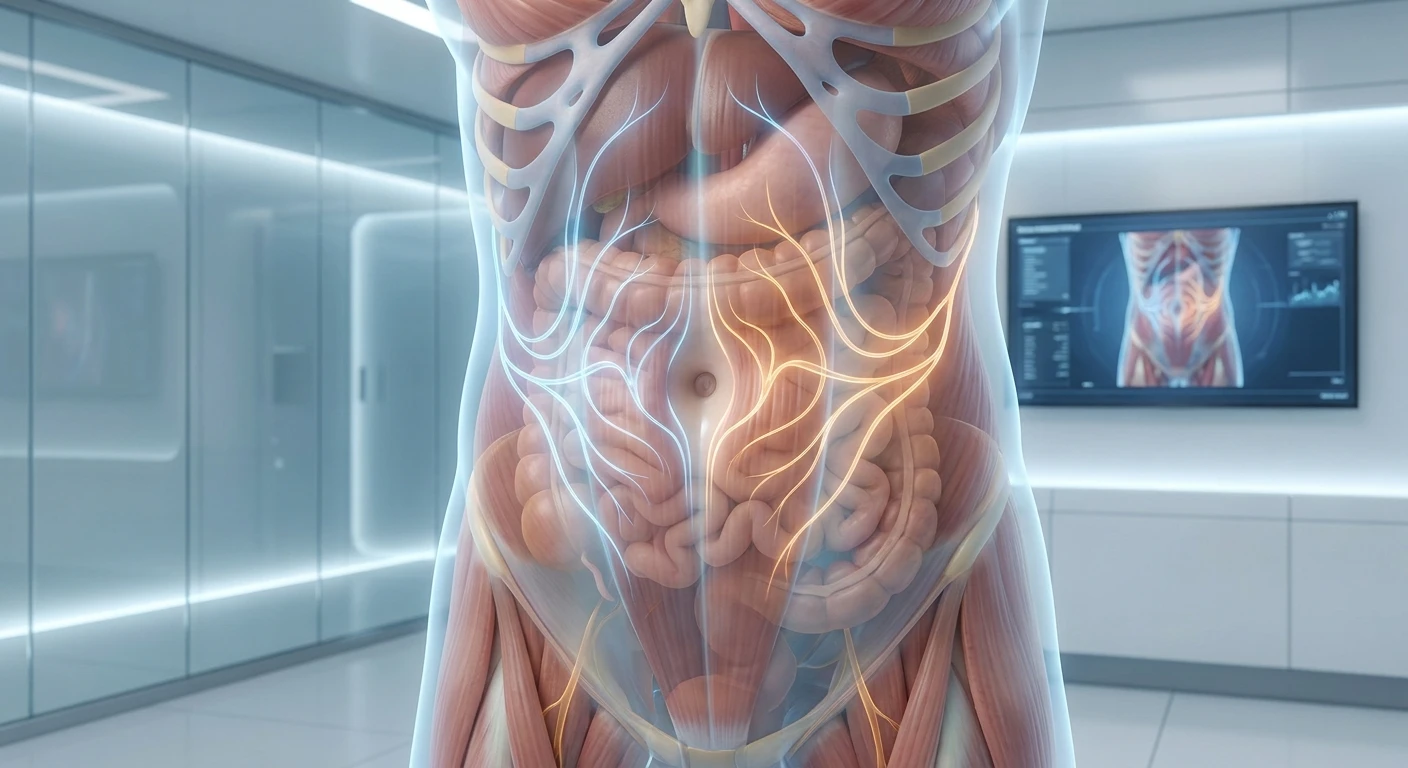
The anatomy of the central abdomen is remarkably intricate, making it susceptible to a wide variety of stressors. Identifying the root cause of localized discomfort requires evaluating your recent physical activities, dietary habits, and overall health status. Three primary mechanisms generally drive this specific sensation. 1. Structural stretching occurs when the connective tissue behind the navel, known as the linea alba, is placed under immense pressure. 2. Muscular micro-tears happen when sudden movements overextend the core muscles, leading to acute localized inflammation. 3. Gastrointestinal pressure builds up when trapped gas or internal spasms press directly outward against the umbilical ring. The intersection of these systems means that a single symptom can originate from entirely different physical sources.
Read also: Pain Under Armpit: Causes, Symptoms, and Complete Action Pla; Spot Bruised Cervix Symptoms Fast.
For instance, an underlying hernia creates structural tension that feels like a physical tugging from the inside, while digestive distress creates a sharper, more sporadic pinching sensation. To better illustrate these overlapping conditions and their distinct characteristics, review the diagnostic comparison below:
| Condition Type | Primary Sensations | Recommended Action |
|---|---|---|
| Gastrointestinal Distress | Intermittent sharp pinches, bloating, and gas pressure | Monitor diet and modify intake |
| Muscular Strain | Consistent tugging that worsens with physical movement | Rest and avoid heavy lifting |
| Structural Tension | Deep pulling feeling directly behind the umbilical ring | Seek professional medical evaluation |
Understanding these distinct physical categories allows you to better communicate your symptoms to healthcare professionals. For instance, a localized bowel spasm and pulled muscle can mimic more severe internal conditions but generally resolves with targeted rest and hydration. Similarly, expecting mothers frequently experience this sensation during second trimester pregnancy as the round ligaments stretch to accommodate a growing uterus, proving that intense symptoms are often tied to natural biological shifts rather than dangerous pathology.
The Origins of Umbilical Anatomy
To fully grasp why the navel is so sensitive, you must look at human development. The umbilicus is essentially the very first scar a human acquires. In utero, the umbilical cord acts as the sole lifeline, transporting nutrients and oxygen. Once severed, the resulting scar tissue forms a dense, fibrous ring. This specific spot remains structurally weaker than the surrounding muscular wall, which is why it becomes a focal point for physical tension throughout a person’s life.
The Evolution of Abdominal Diagnostics
Centuries ago, ancient physicians viewed the navel as the energetic center of the body. They relied solely on external palpation—pressing down on the abdomen—to guess what was happening inside. If a patient reported a sharp tugging sensation, early healers often attributed it to vague internal imbalances. As medical science progressed through the Renaissance, anatomists began mapping the specific quadrants of the abdomen, recognizing that the navel served as a critical intersection for underlying fascia, blood vessels, and the gastrointestinal tract.
The Modern State of Gastrointestinal Care
Today, diagnostic technology has evolved exponentially. Modern physicians utilize high-resolution ultrasound imaging, computed tomography (CT) scans, and advanced endoscopy to look directly beneath the umbilical scar. This technological leap means that vague symptoms can now be instantly categorized. Whether diagnosing a microscopic hernia, localized inflammation, or referred nerve signals, contemporary medicine eliminates the guesswork, allowing for precise, non-invasive treatments that target the exact origin of the discomfort.
The Biomechanics of the Abdominal Wall
The anterior abdominal wall is constructed of distinct layers of muscle, fascia, and fat, all converging at the linea alba. The umbilicus sits directly on this midline. When you cough, laugh, or lift a heavy object, intra-abdominal pressure spikes dramatically. If the fascial tissue behind the navel is compromised, this pressure forces a localized outward bulge, creating a sharp, tearing sensation. Furthermore, the nervous system plays a massive role in how you perceive this tension. The T10 dermatome is a specific spinal nerve pathway that wraps around the body and innervates the exact area of the navel. Because nerves can transmit signals from deeper organs to the surface of the skin, a sensation felt at the belly button might actually originate elsewhere in the body.
Neurological Pathways of the Umbilicus
Referred pain is a biological phenomenon where the brain misinterprets the origin of a distress signal. The intricate webbing of the autonomic nervous system connects the stomach, intestines, and surrounding organs to the same spinal nerves that service the umbilical skin. Consequently, irritation deep inside the digestive tract can manifest externally as a concentrated pinching. Consider these scientific realities regarding abdominal biomechanics:
- The T10 spinal nerve is the primary conduit transmitting sensory data from the umbilical skin directly to the brain.
- Visceral pain originating from internal organs is often perceived as a dull ache, whereas somatic nerve irritation presents as a sharp, localized sting.
- Increased intra-abdominal pressure from heavy exertion physically stretches the umbilical ring, triggering immediate acute sensory feedback.
- Referred nerve signals mean that gall bladder issues like cholelithiasis can occasionally radiate strange sensations toward the central abdomen.
Day 1: Baseline Symptom Assessment
Begin by meticulously logging your physical sensations. Document exactly when the pulling feeling occurs, noting the time of day, your body position, and any recent physical activities. Do not attempt to self-diagnose immediately; simply gather accurate, objective data about the frequency and intensity of the discomfort to establish a clear baseline.
Day 2: Hydration and Digestive Tracking
Focus entirely on your gastrointestinal intake. Dehydration drastically slows down digestion, potentially leading to intestinal spasms that pull against the abdominal wall. Increase your intake of pure water and begin tracking every meal. Note if specific foods, particularly those high in sodium or artificial preservatives, correlate with a spike in your localized abdominal tension.
Day 3: Posture Modification and Core Rest
Take a deliberate break from any strenuous physical exertion. A vital step in recovery is to avoid heavy lifting and maintain a balanced diet. Pay close attention to how you sit at your desk and how you stand. Slouching compresses the abdominal cavity, whereas maintaining a tall, neutral spine relieves unnecessary pressure on the umbilical ring and surrounding connective tissues.
Day 4: Thermal Therapy Application
If the discomfort stems from a muscular micro-strain, targeted thermal therapy can accelerate healing. Apply a moderately warm compress to the affected area for fifteen to twenty minutes at a time. The gentle heat promotes localized vasodilation, increasing blood flow to the strained muscle fibers and helping to relax any lingering spasms directly behind the navel.
Day 5: Nutritional Adjustments
By day five, your dietary log should reveal potential trigger foods. Eliminate highly processed items, excessive dairy, and carbonated beverages, which are notorious for causing trapped intestinal gas. Replace these with easily digestible, fiber-rich whole foods. A calm, unobstructed digestive tract significantly reduces the internal outward pressure that often exacerbates umbilical tugging.
Day 6: Gentle Mobility Evaluation
Slowly reintroduce mild physical movement to test the core muscles. Engage in gentle, restorative stretching, such as a modified cobra pose or easy pelvic tilts. The goal is not to build strength but to evaluate if the pulling sensation has diminished. If movement still triggers a sharp sting, immediately cease the activity and return to active rest.
Day 7: Medical Review and Next Steps
Review the comprehensive data you have collected over the past week. If the pulling sensation has completely resolved, your modifications were successful. However, if the discomfort persists, intensifies, or is accompanied by secondary symptoms like nausea, fever, or a visible physical bulge, use your detailed seven-day log to facilitate a highly productive conversation with a certified medical professional.
Myths & Reality
Myth: A sharp sting at the navel always indicates an appendicitis emergency.
Reality: While early appendicitis can manifest near the center of the abdomen, it typically migrates to the lower right side and is accompanied by severe secondary symptoms like fever and extreme nausea, not just an isolated pulling sensation.
Myth: If you have a hernia, you will automatically see a massive bulge on your stomach.
Reality: Micro-hernias can cause significant internal pulling and sharp pinching sensations long before they become visibly apparent on the external surface of the skin.
Myth: Abdominal discomfort is entirely dictated by what you ate for your last meal.
Reality: Muscular strains, skeletal posture, and systemic nerve pathways play an equally massive role in how the central abdomen feels, independent of your immediate dietary choices.
Is it normal to feel a sudden pulling sensation near the navel?
Occasional, brief twinges are generally a normal physiological response to sudden movements, minor digestive gas, or temporary muscle stretching.
Can a hernia cause abdominal discomfort?
Yes, an umbilical hernia creates a distinct tugging or tearing feeling, especially when intra-abdominal pressure increases during coughing or lifting.
How does digestion impact umbilical tension?
Trapped gas and intestinal spasms press directly against the abdominal wall, translating internal digestive turbulence into a sharp external pinch.
What should expecting mothers know about this symptom?
During the second trimester, the rapid expansion of the uterus stretches the round ligaments, frequently causing a safe but highly noticeable pulling around the navel.
When is an emergency room visit necessary?
Immediate medical care is required if the localized discomfort is accompanied by a high fever, severe uncontrollable vomiting, or a sudden, hard visible lump.
Are muscle strains common in the abdominal wall?
Absolutely. The core muscles are constantly engaged, making them highly susceptible to micro-tears from twisting awkwardly, coughing violently, or exercising without proper form.
How long do these sensations typically last?
Minor muscular strains and digestive spasms usually resolve within a few days with rest and hydration, whereas structural issues like hernias require professional medical intervention to correct.
Managing unexpected core discomfort requires a blend of patience, objective tracking, and a solid understanding of human anatomy. By following the outlined seven-day tracking protocol and listening closely to your body’s specific signals, you can confidently navigate this symptom. Stay hydrated, prioritize your physical posture, and never hesitate to consult a medical professional if the sharp sensations persist or escalate.

Leave a Reply