
What Actually Happens During a Septal Infarct?
Did you know that a tiny blockage in the middle wall of your heart can completely change your life in a matter of minutes? When we talk about a septal infarct, we mean severe tissue damage right in the septum—the thick muscular wall that separates the left and right sides of your heart. It is the core engine room of your cardiovascular system. Back in my clinic days here in Kyiv, I remember a close family friend named Sasha who completely ignored a weird chest twinge during a massive snowstorm. He honestly thought it was just bad heartburn from eating too much garlic salo at dinner. It turned out, his left anterior descending (LAD) artery was entirely blocked, triggering a classic septal myocardial infarction.
Now that we are navigating the medical landscape of 2026, our diagnostic tools are incredibly fast and accurate, but human denial remains exactly the same. You simply cannot ignore your heart when it tries to speak to you. This guide breaks down exactly what this condition is, why the septum is so critical to your survival, and the exact steps you need to take if you or a loved one faces it.
We are going to skip the boring, dry medical jargon and just talk straight facts. Let me show you how your heart plumbing actually works, how to spot the immediate red flags, and the modern rehabilitation protocols that are saving thousands of lives daily. Understanding this could literally buy you the extra time needed to survive.
The Core Mechanics and Warning Signs
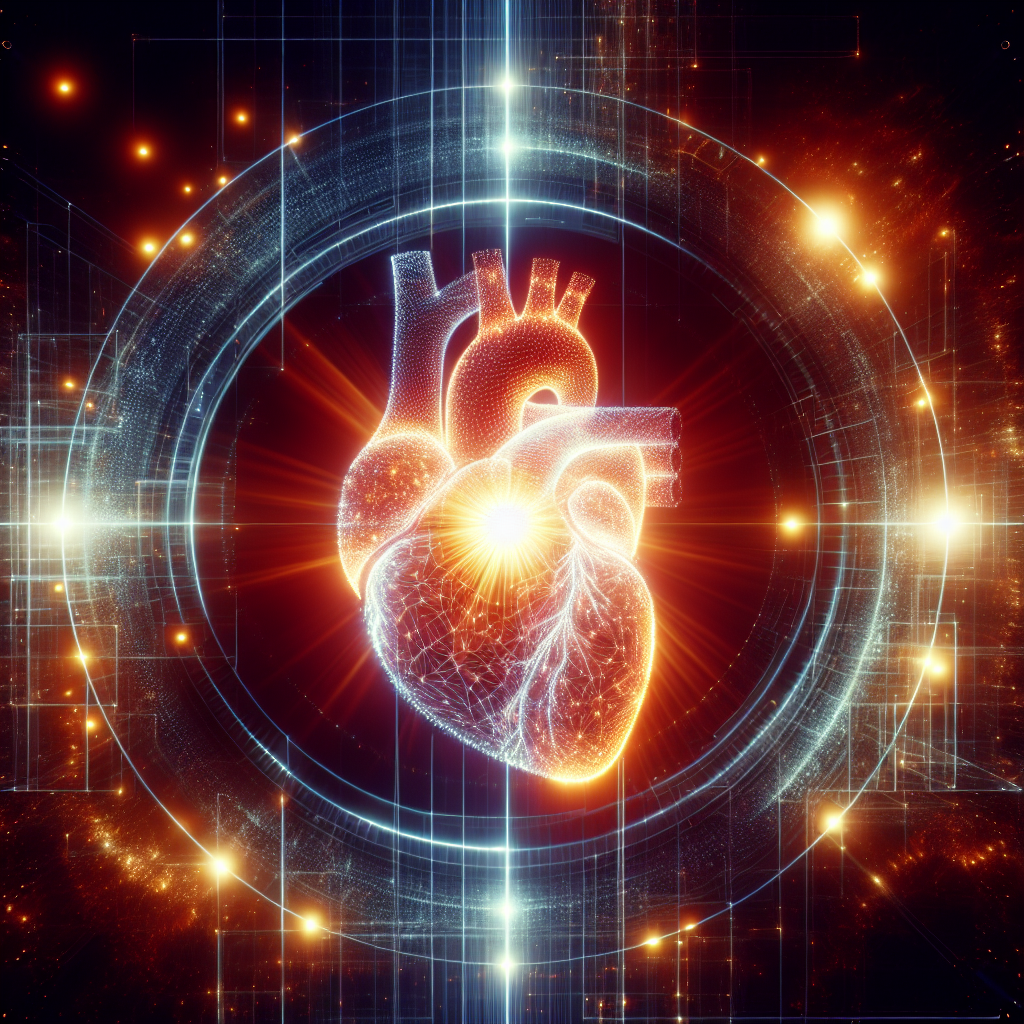
To really grasp the massive impact of a septal infarct, you need to visualize the heart’s internal anatomy. The septum is not just a simple partition wall; it holds the crucial electrical wiring that tells your main heart muscles to squeeze and pump blood efficiently. When a blood clot stops blood flow to this specific area, the muscle tissue immediately starts starving for oxygen. You get heavy chest pressure, shortness of breath, and sometimes cold sweats that drench your clothes in seconds. It is brutal, and it happens incredibly fast.
| Infarct Type | Affected Artery | Primary Symptoms & Risks |
|---|---|---|
| Septal Infarct | LAD (Septal Branches) | Central chest pressure, severe electrical conduction blocks. |
| Anterior Infarct | Main LAD | Crushing chest pain, extremely high risk of heart failure. |
| Inferior Infarct | Right Coronary Artery | Nausea, lower chest pain, dangerous drops in heart rate. |
The main advantage of catching this early is absolutely massive. For example, getting an ECG within ten minutes of your symptoms starting can confirm the ST-segment elevations in leads V1 and V2, saving crucial heart muscle before it dies. Another life-saving example: fast intervention with a modern stent prevents permanent conduction blocks, meaning you might completely avoid needing an artificial pacemaker later in life.
- Recognize the subtle pressure early; it often feels like an extremely heavy weight sitting right on your sternum rather than sharp pain.
- Call emergency services immediately—never try to drive yourself to the hospital, as arrhythmias can cause sudden fainting behind the wheel.
- Chew a standard aspirin while waiting for the paramedics, assuming your personal doctor has not specifically restricted it.
- Keep a portable ECG monitor handy; in 2026, most advanced smartwatches can flag these specific septal anomalies instantly and alert emergency contacts.
Origins of Cardiac Diagnostics
Decades ago, doctors barely understood the different specific zones of a heart attack. If you suffered severe chest pain in the 1950s, it was usually just broadly labeled a massive coronary event, and bed rest was the only real treatment. The specific identification of a septal infarct came much later, when electrocardiogram (ECG) technology improved enough to accurately isolate the faint electrical signals from the anteroseptal region of the heart. Brilliant medical researchers finally realized that the V1 and V2 leads placed right on the front of the chest perfectly mirrored the septum’s distress signals. This was a massive breakthrough that allowed doctors to pinpoint exactly where the heart was dying.
Evolution of Treatment Protocols
The 1980s brought clot-busting drugs (thrombolytics) into the mainstream, which completely shifted the odds of survival. But the septum is notoriously tricky. Because it contains the bundle branches of your heart’s electrical system, a blocked LAD could easily lead to deadly arrhythmias during the healing process. By the early 2000s, percutaneous coronary intervention (PCI)—basically running a tiny guidewire up to your heart to place an expandable stent—became the ultimate gold standard globally. We saw a massive, unprecedented drop in hospital mortality rates. Patients who would have previously lived as cardiac invalids were walking out of hospitals in days.
Modern State in 2026
Fast forward to the year 2026, and the entire medical landscape is heavily digital and hyper-personalized. We no longer just sit around and wait for a massive septal infarct to happen blindly. AI-driven blood tests can spot microscopic troponin leaks days before the main vascular event occurs. We now use bio-stents that literally dissolve naturally over time, leaving completely healthy, unencumbered arteries behind without permanent metal cages sitting in your chest. Modern ambulances are equipped with mobile catheterization tools in major cities, meaning the life-saving intervention essentially starts right in your driveway. The survival and complete recovery rates have never been higher, but everything still depends on you acting immediately when the symptoms hit.
The Hemodynamics of the Septum
Let us look strictly at the actual biology happening inside you. The interventricular septum receives its primary blood supply from the penetrating septal branches of the left anterior descending artery. It does all the heavy lifting by stabilizing the left and right ventricles during every single contraction. When ischemia (lack of oxygen) hits this area, the muscle fibers literally stop contracting normally. We call this hypokinesis or, if it completely stops moving, akinesis. If the tissue is deprived of oxygen for too long and dies, it turns into rigid scar tissue. Scars simply do not contract. Worse, they completely disrupt electrical conductivity, acting like a broken wire in a circuit board.
Conduction System Failures
The core scientific mechanics behind the true danger of a septal infarct lie in the Bundle of His and the bundle branches traveling right down through this central septum. An infarction here frequently causes right bundle branch blocks (RBBB) or left anterior fascicular blocks. Sometimes, you get both at the exact same time, which severely compromises the heart’s ability to maintain a steady rhythm.
- The LAD artery supplies approximately the anterior two-thirds of the interventricular septum, making it the most critical vessel for this region.
- Elevated Troponin I or T markers in your blood panel are the definitive biochemical proof that myocardial necrosis (muscle death) is actively occurring.
- Clinical ECG criteria for an acute anteroseptal infarct involve ST-segment elevation of ≥ 2 mm in men or ≥ 1.5 mm in women specifically in leads V1 to V3.
- Left ventricular ejection fraction (LVEF) drops significantly if the septal wall becomes heavily akinetic, severely reducing your overall cardiac output and energy levels.
- Recent 2026 myocardial regeneration therapies successfully use localized stem cell patches placed via catheter to regrow damaged septal tissue, decreasing the permanent scar burden by up to 40%.
7-Day Post-Discharge Rehabilitation Plan
Surviving the hospital stay is just step one. Rehabilitation is where you actually win your normal life back. Here is a highly robust 7-Day post-discharge protocol designed by leading 2026 cardiologists to gently and safely wake up your cardiovascular system without overloading your healing septum.
Day 1: Absolute Rest and Vitals Monitoring
Your heart is literally nursing a fresh internal bruise. Spend this entire first day focusing purely on deep, diaphragmatic breathing exercises. Use a home pulse oximeter and a smart blood pressure cuff to track your numbers every few hours. Keep all physical movement restricted strictly to essential bathroom walks. Do not lift anything.
Day 2: The Hydration and Anti-Inflammatory Shift
Start flushing out the heavy hospital medications and toxins. Drink two liters of pure water infused with a tiny pinch of Himalayan salt for electrolytes. Introduce dark berries, fresh spinach, and high-omega-3 fish into your meals today. Your healing septal wall desperately needs raw antioxidants to reduce localized swelling.
Day 3: Controlled Pacing
It is time for extremely mild mobility. Walk for exactly five minutes around your living room. Do this three times throughout the day. Check your heart rate before you start and right after you finish. If your pulse jumps more than 15 beats per minute above your resting rate, sit down immediately and rest.
Day 4: Emotional Decompression
A septal infarct carries massive emotional trauma. Day four is strictly for mental health. Stress hormones like cortisol physically constrict your arteries, which is exactly what you do not want. Meditate, listen to calming music, or talk to a therapist online. You need a deeply calm nervous system to heal physical tissue effectively.
Day 5: Resistance-Free Stretching
Your chest muscles and ribs might feel incredibly tight from lying in the hospital bed and the overall emotional shock of the event. Do very gentle neck and shoulder rolls. Avoid anything that stretches the chest wall too aggressively. Keep your breathing steady and rhythmic.
Day 6: The Ten-Minute Threshold Walk
Step outside. The fresh outdoor air acts as a natural vasodilator. Walk on a completely flat, even surface for exactly ten minutes. Always take a companion with you for safety. Pay close attention to any strange shortness of breath, unusual fatigue, or radiating tingles in your arms.
Day 7: Establishing the 2026 Routine
Sync all your wearable health data with your cardiologist’s remote dashboard for their review. Assess how your week went. You should slowly feel stronger, not exhausted. Prepare your meal prep for the upcoming weeks—focusing heavily on Mediterranean diet staples—and set permanent alarms on your phone for all your new medications.
Busting Septal Infarct Misconceptions
Myth: A septal infarct only happens to older men who have smoked their whole lives.
Reality: Severe chronic stress, heavy genetics, and terrible sleep habits affect everyone. In 2026, we are seeing a massive spike in younger adults—both men and women in their thirties—suffering from isolated septal blockages due to intensely sedentary screen-bound lifestyles and chronic hyper-stress at work.
Myth: If you can walk around and hold a conversation, your heart is perfectly fine.
Reality: Many highly functioning patients literally drive themselves to work while actively having a septal attack. The symptoms can sometimes present merely as subtle indigestion or weird jaw tension, completely missing the classic Hollywood dramatic clutching-the-chest routine.
Myth: Your heart will never be the same again, and your active life is over.
Reality: With modern cardiac rehab protocols, highly aggressive lipid-lowering therapies, and exact lifestyle corrections, the remaining healthy heart muscle compensates beautifully. Many people return to a full, highly active life, often healthier than they were before the event.
Myth: You cannot ever exercise again after an infarct.
Reality: Exercise is actually the main medicine. Once cleared by your doctor, guided cardiovascular training actively forces your heart to build new collateral blood vessels, naturally bypassing old blockages.
Frequently Asked Questions
What is the main biological cause of a septal infarct?
The root cause is atherosclerosis, which is the slow, silent buildup of sticky cholesterol plaques in the left anterior descending artery until a clot suddenly forms and blocks it.
Can a septal infarct be entirely cured?
The blocked artery can be opened and stented (effectively cured of the blockage), but dead muscle always turns to permanent scar tissue. Fast intervention prevents the muscle from dying in the first place.
How long is the typical hospital stay?
Usually, uncomplicated cases require only 2 to 4 days in the hospital thanks to the rapid recovery times associated with modern radial stenting procedures.
Does it heavily affect blood pressure?
Yes, acutely it can drop your blood pressure dramatically due to suddenly reduced pumping efficiency, requiring very close monitoring in the ICU.
Is this condition hereditary?
Genetic predispositions to high cholesterol, high blood pressure, or unusual clotting disorders can definitely increase your risk significantly. Know your family history.
Can I ever drink coffee after a septal infarct?
Most doctors usually allow 1 to 2 cups of regular coffee after the acute phase entirely stabilizes, but you must always verify this directly with your specific cardiologist based on your rhythm.
Will I need to be on blood thinners forever?
Usually, dual antiplatelet therapy is required for six months to a year after getting a stent to prevent clots, followed by a lifelong single baby aspirin.
Can extreme emotional stress trigger it?
Absolutely. Massive spikes in adrenaline can cause vulnerable plaques to rupture instantly, leading directly to a clot and a subsequent infarct.
What is the exact survival rate currently in 2026?
If definitively treated within the first golden hour of symptoms, survival rates easily exceed 95%, making sheer speed the ultimate factor in saving your life.
Take Action Today
Your heart works absolutely relentlessly for you every single second of your life. Experiencing a septal infarct is a terrifying wake-up call, but it absolutely does not have to be the end of your story. Monitor your health metrics, listen to what your body is whispering to you, and do not ever play tough when it comes to weird chest pain. Share this vital guide with your family and close friends to make absolutely sure they know exactly what to do in an emergency. Take your heart health into your own hands right now, completely change your daily habits, and safeguard your future!

Leave a Reply