

Dealing With a Stubborn Pimple on Toe
Spotting a pimple on toe right before a long walk or a big event is honestly the worst kind of surprise. You are lacing up your favorite sneakers, ready to head out, and suddenly you feel that sharp, highly specific point of friction. Just a few weeks ago, I was hiking up the steep, beautifully cobbled streets of the Podil district here in Kyiv. We are deep into 2026, yet no matter how advanced our high-tech moisture-wicking socks have become, nothing saves you from the sudden agony of an unexpected foot breakout. I initially thought I had a massive blister from my boots, but when I took my shoe off at a cafe, there it was—a perfectly formed, angry whitehead right on the side of my big toe.
It sounds absurd, right? We spend so much time worrying about our facial skincare routines that we completely forget our feet have pores, sweat glands, and hair follicles too. If you are reading this, you are probably dealing with the exact same frustrating issue and wondering how a zit managed to migrate all the way down to your foot. Look, you are not alone, and you definitely do not need to panic. The thesis here is simple: foot breakouts are a completely normal biological reaction to our modern footwear habits, and by understanding exactly how your toe skin functions, you can clear this up in a matter of days without resorting to aggressive, painful popping.
Why Do You Even Get Breakouts on Your Feet?
To understand why this happens, we need to look at the daily life of your feet. Think about the sheer amount of stress your toes go through every single day. They are wrapped in socks, shoved into shoes, and forced to bear your entire body weight while navigating whatever terrain you walk on. The friction alone is intense. When you combine that friction with sweat and the naturally warm, dark environment inside a shoe, you create the ultimate breeding ground for bacteria.
There is a massive value proposition in simply changing your daily foot habits. By making a few minor adjustments, you can prevent not just pimples, but also blisters, calluses, and fungal infections. For example, switching from cotton socks (which hold moisture against the skin) to merino wool socks can drastically alter the microclimate of your shoe. Another example is rotating your shoes so you never wear the same damp pair two days in a row.
| Root Cause | Common Symptoms | Immediate Quick Fix |
|---|---|---|
| Friction from tight shoes | Redness, tenderness, localized swelling | Switch to open-toed shoes or wider toe boxes |
| Ingrown hair from shaving/waxing | Visible hair trapped under a white bump | Warm compress and gentle exfoliation |
| Trapped sweat (Folliculitis) | Multiple small red or white bumps | Wash with salicylic acid cleanser |
If you have just noticed a breakout on your toe, here are the top three immediate steps you need to take right now to stop it from getting worse:
- Stop the friction immediately: Take off the shoes and socks that caused the issue. Go barefoot or wear loose slippers for the rest of the day if possible.
- Sanitize the area gently: Wash your toe with lukewarm water and a mild, fragrance-free soap. Do not scrub it aggressively, as micro-tears will only invite more bacteria.
- Apply a warm compress: Soak a clean cloth in comfortably hot water and hold it against the toe for ten minutes. This helps reduce inflammation and encourages the pore to open naturally.
Origins of Foot Skincare and Ailments
Historically, human beings did not have to worry much about trapped sweat on their feet. For thousands of years, our ancestors either walked barefoot or wore highly breathable sandals made from natural plant fibers and untreated animal hides. Their feet were constantly exposed to fresh air and sunlight, which naturally kept bacterial growth in check. The skin on their toes thickened into natural protective pads, making conditions like delicate inflamed pores virtually nonexistent.
The Evolution of Podiatry and Footwear
Things started to change dramatically during the Industrial Revolution. Mass-produced closed-toe shoes became the norm. But the real shift happened in the mid-20th century with the invention of synthetic materials like nylon and polyester. Suddenly, people were wrapping their feet in non-breathable plastics. Podiatrists in the 1960s and 1970s started noticing a massive spike in conditions like athlete’s foot, contact dermatitis, and folliculitis. The simple act of putting on a cheap nylon sock and a rubber-soled shoe created a greenhouse effect for the toes.
The Modern State of Foot Hygiene
Now, living in 2026, we have access to incredible fabrics. We have bamboo blends, silver-infused anti-microbial threads, and advanced mesh sneakers. Yet, fashion often overrides function. We still squeeze our toes into rigid leather dress shoes, impossibly tight high heels, or synthetic athletic cleats. The pressure forces hair follicles on the tops of the toes to bend and trap dead skin cells, leading directly to the painful bumps you are dealing with right now.
Understanding the Pilosebaceous Unit
Let us get slightly technical for a moment, but keep it simple. Your skin is covered in pilosebaceous units, which consist of a hair follicle and a sebaceous (oil) gland. While the skin on the soles of your feet has zero hair follicles and zero sebaceous glands, the tops of your toes absolutely do. When the opening of this follicle gets blocked by a mixture of keratin (dead skin cells) and sebum (oil), it creates a microscopic plug. If Staphylococcus bacteria, which naturally lives on your skin, gets trapped underneath this plug, your immune system rushes white blood cells to the area. That accumulation of white blood cells is exactly what forms the white, painful head of the pimple.
Bacterial Overgrowth Mechanics
The skin on your toes is relatively thin compared to your heels. When you wear tight shoes, the physical rubbing causes a process called frictional hyperkeratosis. Your skin tries to protect itself by rapidly producing extra layers of dead skin cells. These excess cells easily shed and fall directly into the hair follicles. Add sweat from your eccrine glands, and the trapped bacteria begin to multiply rapidly.
- Eccrine Gland Density: Your feet have roughly 250,000 sweat glands, capable of producing half a pint of sweat a day.
- Keratin Buildup: The stratum corneum (outer layer of skin) on the feet generates keratin faster than facial skin due to constant friction.
- Bacterial Flora: Harmless microbes like Corynebacteria and Brevibacteria thrive on sweaty feet, but when trapped in a pore, they cause rapid inflammation.
- Temperature Factor: The inside of a modern shoe can easily reach over 100 degrees Fahrenheit, accelerating bacterial reproduction rates by up to 400%.
Day 1: The Gentle Assessment
The first 24 hours are critical. Do absolutely nothing aggressive. Wash your foot with a gentle antibacterial soap. Dry it thoroughly by patting it with a clean towel. Do not rub. Inspect the bump to confirm it is actually a pimple and not a blister or a wart. A pimple will usually have a distinct white center surrounded by a red, inflamed halo, whereas a blister will look like a clear bubble of fluid.
Day 2: Warm Compresses and Epsom Salt
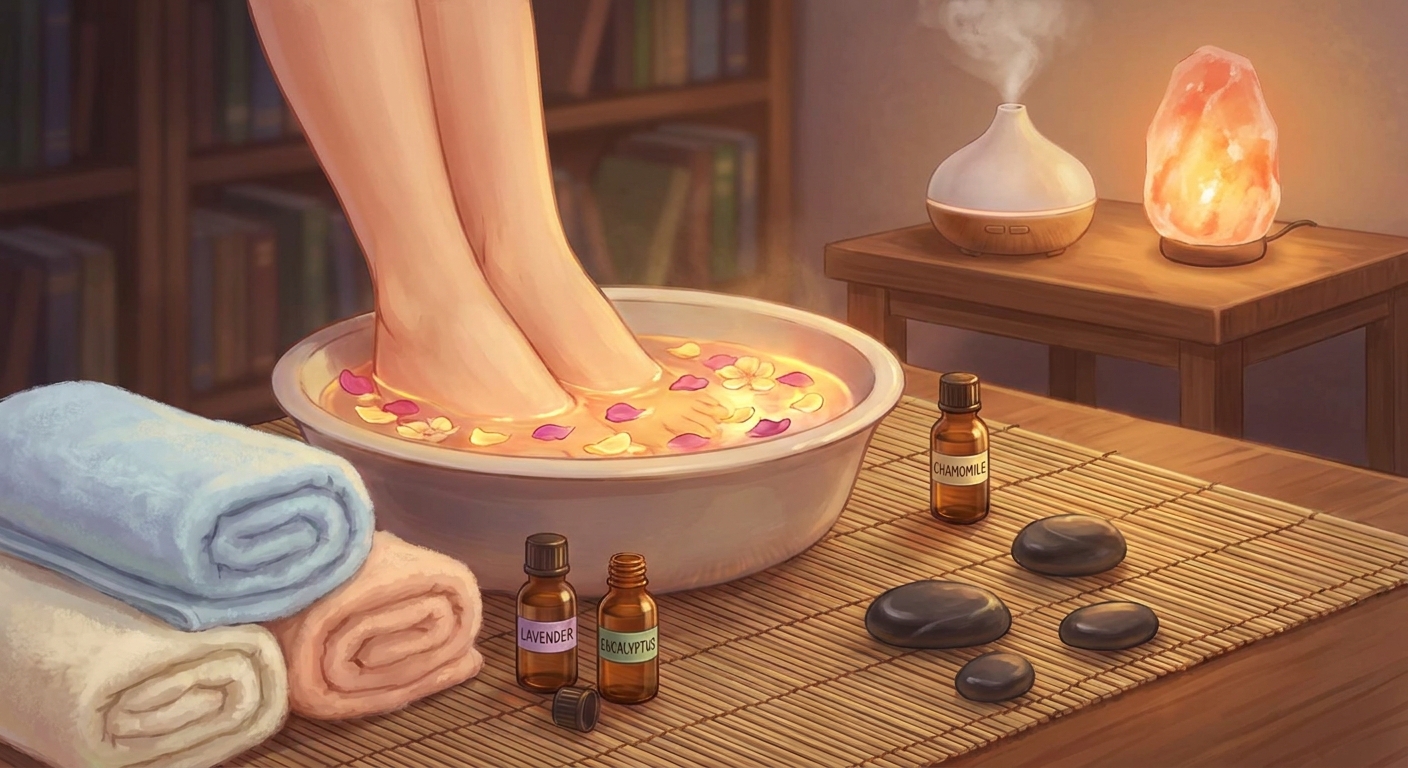
Now we bring out the heavy artillery, naturally. Fill a small basin with warm water and dissolve two tablespoons of pure Epsom salt into it. Soak your foot for 15 minutes. The magnesium sulfate in the Epsom salt is incredible for drawing out toxins and reducing swelling. It softens the trapped keratin plug without you having to squeeze or damage the surrounding healthy skin.
Day 3: Exfoliation Without Irritation
By day three, the inflammation should be visibly reduced. Now, use a liquid chemical exfoliant containing a low percentage of Salicylic Acid (BHA). Salicylic acid is oil-soluble, meaning it can actually penetrate into the pore of the toe and dissolve the glue holding the dead skin cells together. Swipe it on gently with a cotton pad. Skip physical scrubs entirely; they will just tear the delicate toe skin.
Day 4: Spot Treatment Application
If the bump is still holding strong, apply a tiny dab of benzoyl peroxide or a diluted tea tree oil mixture directly onto the spot. Benzoyl peroxide introduces oxygen into the pore, and since the acne-causing bacteria cannot survive in an oxygen-rich environment, it effectively neutralizes the threat. Let it dry completely before putting on any socks.
Day 5: Breathable Footwear Protocol
This is the day you audit your closet. You must commit to wearing only 100% breathable footwear. Think wide-toe-box sneakers made of mesh, or open sandals if the weather permits. Pair them with socks made from merino wool or bamboo. These materials wick sweat away from the skin and allow the moisture to evaporate, keeping the toe completely dry.
Day 6: Moisture Barrier Repair
Acne treatments like salicylic acid and benzoyl peroxide can severely dry out the skin on your toes, leading to flaking and cracking. Now is the time to repair the moisture barrier. Apply a lightweight, non-comedogenic lotion containing ceramides or hyaluronic acid over the toe. Avoid heavy, thick petroleum jellies, as they will just clog the pore right back up.
Day 7: Prevention and Maintenance
The spot should be completely flattened and healing by now. To maintain this, incorporate a quick foot care routine into your daily shower. Use a mild exfoliating body wash on your feet a few times a week, dry your toes completely before putting on socks, and never re-wear sweaty socks. Consistency is your best defense against future breakouts.
Myths vs. Reality of Foot Breakouts
There is an astonishing amount of bad advice on the internet about foot care. Let us clear up the nonsense.
Myth: It is just a tiny blister, so you should pop it with a needle to relieve the pressure.
Reality: Popping a pimple on your toe forces infected pus deeper into the tissue. Because feet are exposed to so much dirt, an open wound on your toe is highly susceptible to severe staph infections.
Myth: You cannot get true acne on your feet.
Reality: Anywhere you have hair follicles, you can get acne. The tops of your toes are prime real estate for folliculitis, which is functionally identical to a traditional breakout.
Myth: Drying out the bump with pure rubbing alcohol is the fastest cure.
Reality: Rubbing alcohol aggressively destroys the skin’s natural protective barrier. It will dry out the top layer, but it traps the infection underneath, leading to a much larger, more painful nodule.
Myth: Only people with terrible hygiene get zits on their feet.
Reality: Over-washing your feet with harsh soaps can actually strip the natural oils, causing your skin to overcompensate and trigger reactive breakouts. It is about balance, not aggressive scrubbing.
Can a pimple on toe be a sign of something serious?
Usually, it is completely harmless. However, if the redness spreads rapidly up your foot, feels hot to the touch, or is accompanied by a fever, it could be cellulitis—a serious bacterial infection. In that case, you need to see a doctor immediately.
Should I put an adhesive bandage on it?
Only if you absolutely have to wear tight shoes and need to prevent friction. Otherwise, leaving it uncovered while at home is much better, as the fresh air speeds up the healing process and keeps the area dry.
Does tea tree oil actually work for foot acne?
Yes, tea tree oil has fantastic natural antimicrobial properties. But it is highly concentrated. Always dilute one drop of tea tree oil with a few drops of a carrier oil (like jojoba oil) before applying it to your delicate toe skin.
Can tight shoes directly cause foot breakouts?
Absolutely. Tight shoes cause continuous mechanical friction (mechanica acne) and trap sweat. This deadly combination forces debris into the hair follicles on your toes, virtually guaranteeing a breakout if worn for long periods.
How long does a toe zit usually last?
If left alone and treated with warm compresses, a standard breakout should resolve in about 3 to 7 days. If you pick at it, it can easily turn into a secondary infection that lasts for weeks and leaves a dark scar.
Is it a wart or a pimple?
Warts are caused by viruses, are usually hard, have a rough cauliflower-like texture, and sometimes feature tiny black dots (clotted blood vessels). Pimples are soft, tender, and have a distinct white or yellow pus-filled center.
What if it hurts too much to walk?
If the pain is altering your gait, pad the area around the bump using a donut-shaped moleskin pad. This directs the pressure of your shoe onto the surrounding healthy skin rather than directly onto the inflamed spot.
Final Thoughts on Healthy Feet
Dealing with foot irritation is annoying, but it is basically your body acting like an alarm system. It is telling you that your current footwear or sock situation is creating a toxic environment for your skin. Treat the spot with patience, utilize the Epsom salt soaks, and respect the healing process. Your feet carry you through your entire life—they deserve just as much skincare attention as your face! If you found this guide helpful, check your shoe closet right now and toss out those suffocating synthetic socks. Share this guide with that friend who is always complaining about their hiking boots, and step comfortably into a breakout-free future.

Leave a Reply