

Understanding PCOS Hair Loss: A Comprehensive Guide
Experiencing PCOS hair loss can feel deeply overwhelming, but recognizing the biological triggers is the first step toward reclaiming your scalp health. Polycystic Ovary Syndrome affects millions of women globally, and one of the most frustrating symptoms is the progressive thinning of hair on the scalp. You are not alone in this battle, and medical science offers clear, proven pathways to stop the shedding and encourage new growth. The connection between hormonal imbalances and follicular miniaturization is well-documented. By targeting excess androgens, optimizing your daily nutrition, and employing proven dermatological treatments, you can completely change the trajectory of your follicular health. When your endocrine system produces higher-than-normal levels of male hormones, your hair follicles bear the brunt of that chemical shift. This condition requires a strategic, multi-layered approach to heal the scalp environment from the inside out. Through a combination of specific blood panels, targeted medical interventions, and lifestyle adjustments, managing the symptoms becomes highly achievable. Understanding the mechanics of your own body empowers you to take control and initiate a successful recovery protocol.
The Mechanics Behind the Shedding
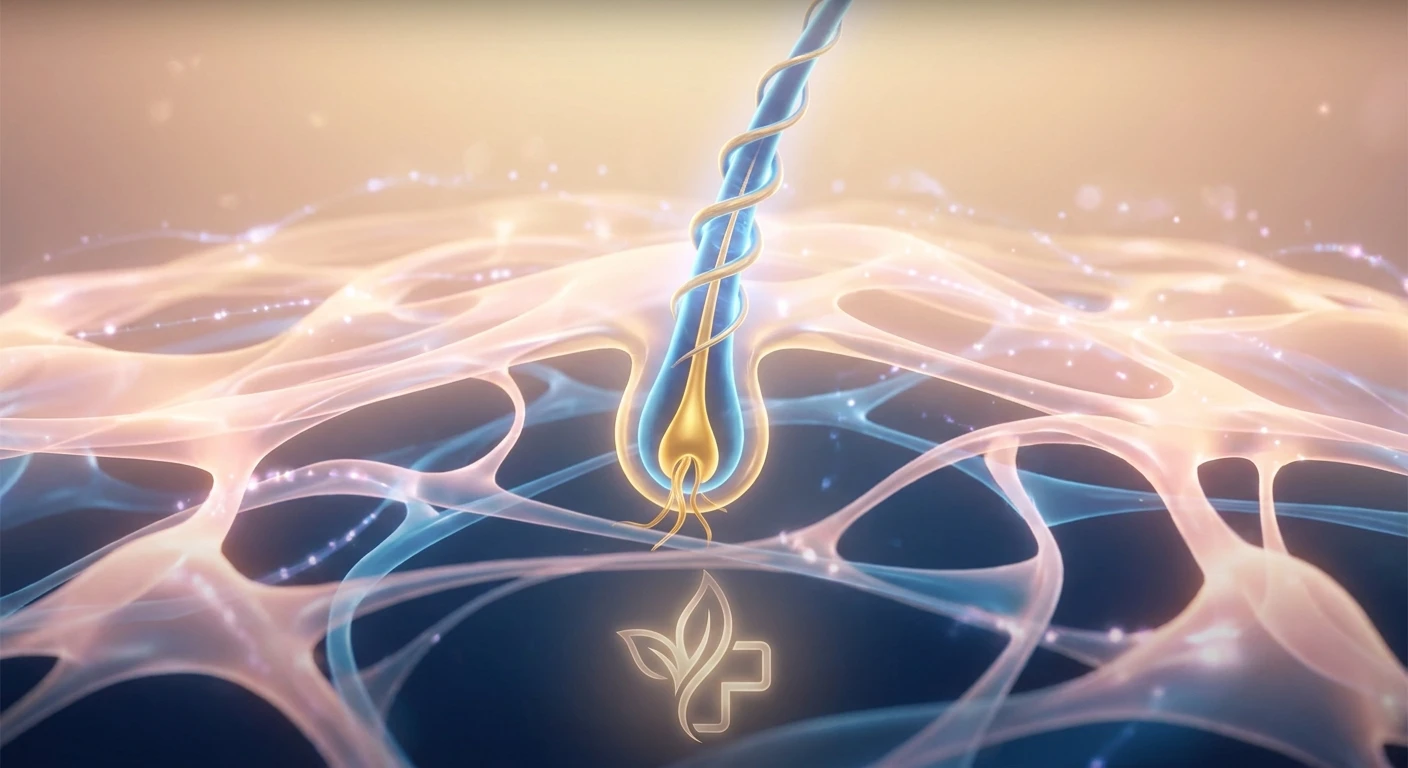
To stop the thinning, you need to understand exactly what causes it. The root issue lies in an endocrine imbalance known as hyperandrogenism. When the ovaries produce excess testosterone, a specific enzyme in the scalp converts this testosterone into a highly potent hormone called dihydrotestosterone (DHT). DHT binds to the receptors in your hair follicles, causing them to shrink over time in a process called follicular miniaturization. As the follicles shrink, the hair strands they produce become finer, weaker, and more prone to falling out prematurely.
Read also: Understanding Breakthrough Bleeding: Causes and Management; How Long Does It Take Flomax To Work Fast.
| Trigger | Biological Mechanism | Outward Symptom |
|---|---|---|
| High Testosterone | Converts to DHT in the scalp | Thinning predominantly at the crown and natural part |
| Insulin Resistance | Boosts ovarian androgen production | Excessive daily shedding in the shower or on pillows |
| Chronic Inflammation | Disrupts the natural anagen growth cycle | Weak, brittle hair strands that break easily |
Restoring balance requires multi-level interventions that offer a powerful value proposition: by addressing the root hormonal cause, you not only improve your hair density but also enhance your overall metabolic health. For example, utilizing anti-androgen medications like Spironolactone directly blocks androgen receptors, while topical stimulants like Minoxidil force the follicles into an active growth phase. Both strategies work synergistically.
You can recognize this specific pattern of thinning through several distinct indicators:
- A gradual widening of your natural hair part, often making the scalp highly visible under bright lighting.
- Increased hair fall noticed in the shower drain, on your clothing, or across your pillowcase upon waking.
- A receding hairline specifically at the temples, which rarely results in complete baldness but causes significant loss of volume.
Origins of Identifying Hormonal Hair Thinning
The medical understanding of female hormonal imbalances dates back to the early twentieth century. In 1935, American gynecologists Irving Stein and Michael Leventhal first described a syndrome characterized by irregular menstruation, ovarian cysts, and signs of hyperandrogenism, including hirsutism and scalp thinning. Originally termed Stein-Leventhal syndrome, early medical practitioners focused primarily on the reproductive consequences, often overlooking the profound psychological impact of the dermatological symptoms. The connection between specific endocrine disruptions and follicular miniaturization was suspected but lacked the diagnostic tools required to prove the chemical pathways at work.
Evolution of Dermatological Treatments
By the 1970s and 1980s, the development of sophisticated hormone assays allowed endocrinologists to measure free testosterone and DHT levels in female patients accurately. This era marked a paradigm shift. Medical professionals stopped viewing the thinning as merely a cosmetic nuisance and began treating it as a systemic endocrine disorder. The late twentieth century saw the introduction of anti-androgen medications adapted from other fields of medicine. Doctors discovered that drugs initially designed to manage blood pressure or prostate conditions had profound effects on blocking DHT in women, revolutionizing the therapeutic approach.
Modern State of Endocrinology and Trichology
Today, managing this condition relies on a multidisciplinary clinical model. Patients typically work with a collaborative team comprising an endocrinologist, a dermatologist, and a specialized dietitian. Modern diagnostic criteria recognize that treating the follicles externally is insufficient without addressing the internal metabolic environment. The advent of advanced regenerative therapies, such as Platelet-Rich Plasma (PRP) injections and low-level laser therapy, provides patients with non-surgical options that stimulate cellular repair directly at the scalp level. The current medical consensus emphasizes early, aggressive intervention to preserve follicular viability before the miniaturization becomes permanent.
The Role of DHT and Follicular Miniaturization
At the cellular level, the process is driven by the 5-alpha reductase enzyme, which exists in two types. Type 2 is highly concentrated in the hair follicles. When free testosterone circulates through the bloodstream and reaches the scalp, this enzyme converts it into DHT. DHT has a much stronger affinity for the androgen receptors in the follicle than regular testosterone. Once attached, DHT disrupts the cellular signaling required for the anagen (growth) phase of the hair cycle. The follicle physically shrinks, and the duration of the growth phase shortens drastically. A hair that would normally grow for three to five years may now only grow for a few months before entering the telogen (resting and shedding) phase. Over successive cycles, the follicle eventually becomes dormant.
Insulin Resistance as an Aggravator
Insulin resistance acts as a massive accelerator for hyperandrogenism. When the body’s cells become less responsive to insulin, the pancreas pumps out more of it to keep blood sugar stable. High circulating insulin levels stimulate the theca cells of the ovaries to overproduce androgens. Furthermore, excessive insulin suppresses the liver’s production of Sex Hormone-Binding Globulin (SHBG). SHBG acts like a sponge, soaking up free testosterone in the blood. When SHBG drops, free testosterone spikes, providing more raw material for the scalp to convert into hair-destroying DHT.
- Over 70 percent of women diagnosed with this endocrine disorder exhibit measurable degrees of insulin resistance.
- The anagen (growth) phase of the hair cycle is severely truncated by prolonged DHT exposure, leading to rapid shedding.
- Low levels of Sex Hormone-Binding Globulin (SHBG) directly correlate with the severity of female pattern baldness.
- Chronic low-grade inflammation, measured by elevated CRP markers, further damages the follicular microenvironment.
Step 1: Comprehensive Endocrine Blood Panel
The foundation of your recovery relies on accurate data. Request a full hormonal panel from your doctor, specifically testing for Free and Total Testosterone, DHEAS, Androstenedione, Fasting Insulin, and your LH to FSH ratio. Additionally, ensure they check your Ferritin and Vitamin D levels, as deficiencies in these nutrients independently cause massive shedding and will completely undermine your recovery efforts.
Step 2: Incorporating Anti-Androgen Therapies
Based on your bloodwork, your physician may prescribe an anti-androgen medication. Spironolactone is frequently the first line of defense, working to competitively block androgen receptors throughout the body. Finasteride, while traditionally used for men, is increasingly prescribed off-label for women post-menopause or those using strict contraception, as it directly inhibits the 5-alpha reductase enzyme from creating DHT.
Step 3: Daily Topical Scalp Stimulation
While internal medications block the damage, topical treatments stimulate new growth. Applying a 5 percent Minoxidil solution directly to the affected areas of the scalp increases blood flow and forces dormant follicles back into the anagen phase. Consistency is mandatory; the topical solution must be applied daily to maintain the newly stimulated growth.
Step 4: Dietary Shifts for Insulin Sensitization
Nutrition dictates your insulin response. Shift to a low-glycemic, anti-inflammatory diet focused on lean proteins, healthy fats, and complex carbohydrates with high fiber content. Eliminating refined sugars and simple starches prevents the severe insulin spikes that trigger your ovaries to release excess testosterone, thereby cutting off the hormonal cascade at the source.
Step 5: High-Quality Nutritional Supplementation
Support your cellular health with targeted supplements. Inositol, particularly a 40:1 ratio of Myo-inositol to D-Chiro-inositol, is clinically proven to improve cellular insulin sensitivity and regulate ovulatory function. Omega-3 fatty acids reduce systemic inflammation, while Saw Palmetto extract acts as a mild, natural DHT blocker to support your prescription medications.
Step 6: Stress Management and Cortisol Reduction
Chronic stress elevates cortisol, which in turn prompts the adrenal glands to produce more androgens like DHEAS. Implement strict sleep hygiene, aiming for eight hours of quality rest per night. Regular moderate exercise, such as weightlifting or yoga, helps metabolize cortisol safely without placing undue stress on your central nervous system.
Step 7: Clinical Interventions and PRP Therapy
If pharmaceutical and lifestyle approaches need a boost, explore Platelet-Rich Plasma (PRP) therapy. A specialist draws your blood, isolates the growth factors, and injects them directly into your scalp. This massive influx of cellular repair signals aggressively stimulates blood vessel formation around the follicles, accelerating the thickening of the hair shafts.
Myth: Washing your hair frequently makes it fall out much faster.
Reality: Washing your scalp simply dislodges hairs that have already detached from the follicle days or weeks ago. Excellent scalp hygiene is crucial to remove sebum, which carries high concentrations of DHT.
Myth: Only older women experience hormonal shedding.
Reality: Endocrine-related thinning can begin in the early teens, immediately following the onset of menstruation and the initial surge of reproductive hormones.
Myth: Taking Biotin alone will completely cure the thinning.
Reality: Biotin supports the keratin structure of the hair shaft but does absolutely nothing to lower the DHT or insulin levels causing the miniaturization in the first place.
Myth: The lost density will never grow back under any circumstances.
Reality: Early and aggressive medical intervention can successfully reactivate dormant follicles, significantly restoring volume and density.
Is it possible to stop the shedding completely?
Yes, by strictly balancing your hormones and blocking DHT at the follicular level, the excessive shedding can be halted entirely.
How long does it take to see results?
Hair grows slowly. Expect to wait three to six months of consistent internal and external treatment before seeing visible improvements in density.
Does diet really impact follicular health?
Absolutely. Diet dictates your insulin levels, and managing insulin is arguably the most critical step in controlling ovarian testosterone production.
Can specific birth control pills help?
Yes, oral contraceptives formulated with low-androgen progestins, such as drospirenone, are highly effective at lowering systemic testosterone levels.
Is Minoxidil safe for daily, long-term use?
Yes, it is FDA-approved for female pattern shedding and remains safe and effective for long-term daily application.
What role does iron play in recovery?
Ferritin levels must be optimal (ideally above 50 ng/mL) to support the metabolic demands of the anagen growth phase.
Should I avoid coloring or styling my hair?
Gentle coloring is completely fine, but you should avoid harsh bleaches and tight hairstyles that cause physical breakage and traction damage.
Managing the complexities of hormonal imbalances requires patience, persistence, and a highly targeted medical approach. You possess the ability to halt the miniaturization process and stimulate robust new growth. Consult your endocrinologist and dermatologist today to map out your personalized recovery protocol and take back control of your health.

Leave a Reply