
The Big Question: Does Pooping Help You Lose Weight?
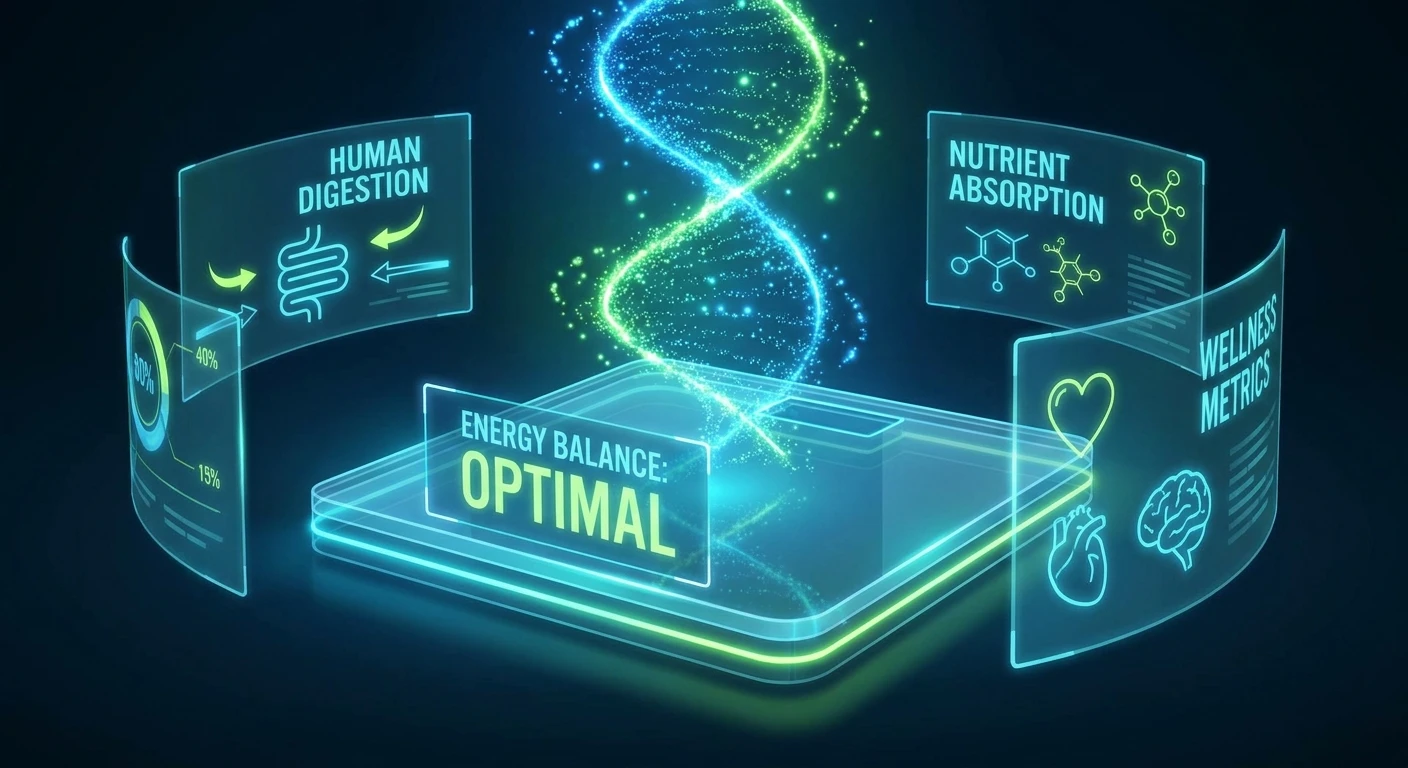
If you have ever stepped on a bathroom scale right after a productive trip to the toilet, you have likely asked yourself, does pooping help you lose weight in a measurable, lasting way? It is an incredibly common question fueled by the immediate gratification of seeing the number on the scale drop. When you track your body weight closely, every minor fluctuation feels significant. You might notice you are a pound or two lighter, your stomach feels flatter, and your clothes fit slightly better. This creates a compelling illusion that eliminating waste directly equates to burning body fat. However, human biology operates on much more complex principles. The sheer physical mass of the food and water you consume temporarily adds to your total body weight. When your digestive system processes that intake and eventually expels the unusable remnants, that physical mass leaves your body. This results in a lower reading on the scale, but it does absolutely nothing to alter your actual body composition. Fat loss and waste elimination are completely different biological pathways. To understand why stepping off the toilet lighter does not mean you have become leaner, we need to separate the mechanical action of emptying the colon from the cellular metabolic process of burning stored energy. We are going straight to the facts regarding digestion, cellular respiration, and the exact mechanics of human body mass.
The Core Mechanics of Digestion and Scale Weight
To fully grasp the reality of waste elimination, you must understand exactly what is leaving your body. The physical matter sitting in your colon is not liquefied body fat. It is a combination of water, dead bacterial biomass from your microbiome, undigested plant fiber, and various metabolic byproducts like dead red blood cells. Because water is incredibly heavy—weighing roughly 8.3 pounds per gallon—any bodily function that expels water will instantly register as weight loss on a standard scale. When you consume a large volume of food, your body secretes saliva, stomach acid, bile, and pancreatic juices to break it down. All of this physical matter travels through your system. When you eventually pass it, you are simply dropping the cargo you have been carrying around. This phenomenon is purely about transient mass. For example, if you hold a heavy bowling ball while standing on a scale, your weight increases. When you put the bowling ball down, your weight decreases. You did not lose body fat; you merely stopped holding a heavy object. Your digestive tract works the exact same way. The waste inside you is just cargo. When you drop the cargo, your total mass decreases, but your body fat percentage remains perfectly static.
Read also: Does Lexapro Make You Gain Weight? Facts; Why Does My Stomach Make So Much Noise When I Lay Down.
| Component of Waste | Average Percentage | Impact on Scale Weight |
|---|---|---|
| Water Content | 75% | High impact due to fluid density |
| Bacterial Biomass | 8% | Minimal temporary drop |
| Undigested Fiber | 8% | Minimal temporary drop |
| Metabolic Byproducts | 9% | Minimal temporary drop |
The sudden drop in weight you experience can be attributed to three specific physiological actions that happen simultaneously:
- Immediate reduction of physical mass inside the digestive tract, instantly lowering total body gravity.
- Significant fluid loss, as healthy bowel movements require a high volume of water for lubrication and passage.
- Expulsion of trapped intestinal gases, which rapidly reduces physical bloating and decreases overall waist circumference.
The Historical Origins of the Cleansing Misconception
The Ancient Origins of Purging for Health
The erroneous belief that emptying the bowels leads to true physical thinning is not a modern internet invention. It dates back thousands of years to early medical systems. Ancient Egyptian physicians and early Greek scholars operated on the theory of bodily humors, believing that disease, lethargy, and excess flesh were the result of toxic build-up in the digestive system. They aggressively prescribed purgatives, natural laxatives, and enemas to flush the system. The underlying logic was that physical heaviness was tied to retained waste. By forcing the body to expel matter, early medical practitioners believed they were curing the patient of excess weight and sluggishness. This laid the psychological foundation for the false equivalence between colon emptiness and physical leanness.
The Evolution of Victorian Diet Culture
As history progressed into the 19th century, the obsession with a narrow waistline reached dangerous new heights during the Victorian era. Patent medicine salesmen realized they could profit off the desire for quick weight reduction by selling powerful, unregulated laxative pills. These pills often contained harsh chemical compounds that forced severe bowel movements, leading to severe dehydration. Because the patients lost massive amounts of water weight rapidly, the scale showed an immediate drop. The Victorian public interpreted this as miraculous fat loss. Some extreme iterations of this mindset even led to the infamous tapeworm diet, where individuals deliberately ingested parasites to consume their digested food before the body could absorb the calories. The core misunderstanding remained: confusing the removal of digestive mass with the reduction of adipose tissue.
The Modern State of Detox Myths
Today, this ancient misconception has been repackaged for the digital age. Social media platforms are flooded with influencers aggressively marketing detox teas, colon cleanses, and rapid weight loss supplements. These products are almost entirely composed of senna or other natural laxatives. They stimulate intense intestinal cramping and force the body to expel water and stool prematurely. The marketing preys on the exact same psychological trigger: the user steps on the scale, sees a lower number, feels less bloated, and mistakenly believes the product burned fat overnight. The modern diet industry thrives on this fundamental misunderstanding of basic human biology, selling temporary dehydration as long-term metabolic transformation.
The Scientific Deep Dive: Metabolism Versus Excretion
The Physiology of Digestion and Energy Absorption
To systematically dismantle the myth, we must look at how the human body actually absorbs and utilizes energy. When you consume a meal, the mastication process in your mouth begins breaking down the physical structure of the food. It travels down the esophagus into the stomach, where hydrochloric acid and enzymes liquefy it into a substance called chyme. This chyme then slowly enters the small intestine. The small intestine is the critical powerhouse of human energy absorption. Through thousands of tiny finger-like projections called villi, the small intestine absorbs almost all the usable macronutrients—carbohydrates, proteins, and fats—along with vitamins and minerals, directly into the bloodstream. By the time the remaining matter reaches the large intestine, also known as the colon, the body has already extracted all the calories it can possibly use. The colon’s primary job is simply to reabsorb water and compact the useless waste for elimination. Therefore, accelerating bowel movements does not stop calorie absorption, because the calories were already absorbed hours earlier in the small intestine.
The Biochemical Reality of Fat Loss
If fat does not leave the body through the colon, how does weight loss actually happen? True fat loss requires a sustained caloric deficit, which forces the body to unlock stored triglycerides inside your fat cells to use for baseline energy. This process is called lipolysis. When triglycerides are broken down for energy, they undergo a complex chemical reaction that converts them into two distinct byproducts: carbon dioxide and water. The vast majority of the mass of burned body fat is actually exhaled through your lungs as carbon dioxide. You literally breathe out your burned fat. The remaining fraction mixes into your circulatory system and is excreted as water through urine and sweat. Fecal matter plays absolutely zero role in the excretion of oxidized body fat.
- Cellular fat is oxidized and leaves the body primarily through the lungs as exhaled carbon dioxide.
- A secondary portion of oxidized fat exits the body as water through sweat and urine.
- The small intestine absorbs nearly all caloric energy long before waste reaches the colon.
- Fecal matter consists almost entirely of materials the body cannot use for energy, not burned body fat.
Actionable 7-Day Plan for Optimal Digestive Health
While forcing bowel movements will not help you burn fat, maintaining a highly functional digestive system is critical for reducing systemic inflammation, managing physical bloating, and supporting your overall metabolic rate. This seven-day protocol focuses on building sustainable, healthy digestive habits rather than chasing temporary drops on the bathroom scale.
Day 1: Establishing Hydration Baselines
The foundation of all healthy digestion is adequate hydration. The colon extracts water from waste to form stool; if you are dehydrated, the colon will extract too much water, resulting in hard, difficult-to-pass movements. Begin by tracking your baseline water intake. Aim for at least half your body weight in ounces of water per day. Proper hydration ensures smooth gastrointestinal motility and prevents the heavy, sluggish feeling associated with water retention.
Day 2: Integrating Soluble Fiber Sources
Fiber acts as the physical sweeping mechanism for your digestive tract. Soluble fiber, found in oats, apples, and beans, absorbs water and forms a gel-like substance that softens stool. Insoluble fiber, found in leafy greens and whole grains, adds necessary bulk. Gradually increase your daily fiber intake to the recommended 25 to 30 grams. Do this slowly to avoid excessive gas production as your gut bacteria adapt to the new workload.
Day 3: Introducing Prebiotic and Probiotic Foods
Your microbiome dictates how efficiently you process food and extract nutrients. Probiotics supply your gut with healthy living bacteria, while prebiotics supply the exact type of fiber those bacteria feed upon. Introduce fermented foods like plain kefir, sauerkraut, kimchi, or unsweetened yogurt into your daily routine. Pairing these with prebiotic foods like garlic, onions, and asparagus will build a robust, highly efficient bacterial environment.
Day 4: Optimizing Meal Timing for Circadian Digestion
The human digestive system operates on a biological clock synced to your circadian rhythm. Eating late at night forces your digestive tract to work while your body is attempting to enter deep restorative sleep. This often leads to morning bloating and irregular bowel movements. Establish a strict eating window, ensuring your final meal is consumed at least three hours before going to bed, allowing gravity and nighttime fasting to clear the stomach.
Day 5: Implementing Targeted Physical Movement
Physical activity directly stimulates intestinal peristalsis, the involuntary muscle contractions that move food through the digestive tract. A sedentary lifestyle leads to a sedentary bowel. You do not need extreme cardio to achieve this. Implement a simple routine of walking for twenty minutes immediately following your largest meals. This gentle mechanical movement aids digestion and helps clear trapped gas.
Day 6: Monitoring Micronutrient Intake and Electrolytes
Healthy muscle contractions in the colon rely heavily on specific micronutrients, most notably magnesium and potassium. A deficiency in magnesium is a leading cause of chronic sluggishness in the gut. Ensure you are consuming foods rich in these electrolytes, such as spinach, pumpkin seeds, avocados, and bananas, to keep the electrical signaling in your digestive muscles firing optimally.
Day 7: Evaluating True Scale Impact and Body Composition
On the final day, recalibrate your relationship with the bathroom scale. Weigh yourself under consistent conditions: in the morning, entirely fasted, immediately after using the bathroom. Understand that the number you see represents your baseline mass without the cargo of yesterday’s meals. Use this data purely to track long-term trends over weeks and months, completely ignoring the wild day-to-day fluctuations caused by food volume and water retention.
Debunking Digestion and Weight Loss Myths
Myth: Laxatives are an effective tool to help you burn stubborn belly fat.
Reality: Laxatives exclusively impact the large intestine, aggressively forcing the evacuation of water and physical waste. They have absolutely no chemical mechanism to unlock fat cells or increase your resting metabolic rate. The weight lost is entirely fluid, which your body will immediately replace as soon as you drink a glass of water.
Myth: Having a much flatter stomach after using the bathroom proves you lost fat.
Reality: A flatter stomach is merely the physical result of reducing volume inside the abdominal cavity. When you expel bulky waste and built-up intestinal gas, the physical pressure against your abdominal wall decreases, making your stomach look flatter. Your actual body fat percentage remains exactly the same as it was an hour prior.
Myth: Frequent, rapid bowel movements prevent your body from absorbing calories.
Reality: The vast majority of caloric absorption occurs high up in the small intestine, a process that takes several hours. By the time matter reaches the colon to form stool, the energy extraction is already complete. Speeding up colon transit time does not negate the calories you have already successfully absorbed into your bloodstream.
Frequently Asked Questions and Conclusion
How much does an average bowel movement weigh?
The physical weight of average human stool ranges anywhere from one-quarter of a pound to a full pound, depending heavily on the individual’s body size, hydration levels, and the sheer volume of food consumed over the previous twenty-four hours. Highly fibrous diets will yield heavier, bulkier waste.
Do you burn extra calories while pooping?
The act of using the bathroom burns a negligible amount of calories. It requires minor muscle engagement and slightly elevates the heart rate, but it is categorized as a basic basal metabolic function, burning perhaps a few calories at most. It is not an exercise equivalent.
Why do I feel so much lighter and energetic after going?
You feel lighter because you have quite literally removed physical mass from your body’s center of gravity. Furthermore, eliminating waste relieves physical pressure on the surrounding organs and reduces bloat, which dramatically improves physical comfort and mobility.
Does chronic constipation cause long term weight gain?
Chronic constipation causes weight retention on the bathroom scale due to the continuous stockpiling of heavy waste and water in the colon. However, it does not cause your body to synthesize new fat tissue. Once the constipation is resolved, the scale weight will return to its true baseline.
Are commercial detox teas safe for weight management?
No. Commercial detox teas rely heavily on chemical laxatives like senna leaf. Regular use can cause severe dehydration, dangerous electrolyte imbalances, and long-term dependency, meaning your colon may eventually forget how to function without the chemical stimulant.
What exactly happens to body fat when you actually lose it?
When you maintain a caloric deficit, your body breaks down triglycerides stored in fat cells. This chemical reaction turns the fat into carbon dioxide and water. You breathe out the vast majority of it through your lungs, and excrete the rest via sweat and urine.
Should I weigh myself before or after a bowel movement?
For the most accurate and consistent data tracking, you should always weigh yourself in the morning, immediately after waking up and after using the bathroom, but before consuming any food or liquids. This minimizes the variables of transient water and food weight.
In conclusion, when you ask does pooping help you lose weight, the definitive scientific answer is that it only lowers the physical mass on the scale temporarily, without burning a single gram of actual body fat. True body composition changes require consistent caloric management, balanced nutrition, and patience. Focus on optimizing your digestive health for longevity and comfort, rather than chasing fleeting numbers on a scale. Take action today by prioritizing your hydration and fiber intake, and leave the detox myths behind for good!

Leave a Reply