
Effective Debloating Drinks for Immediate Digestive Comfort
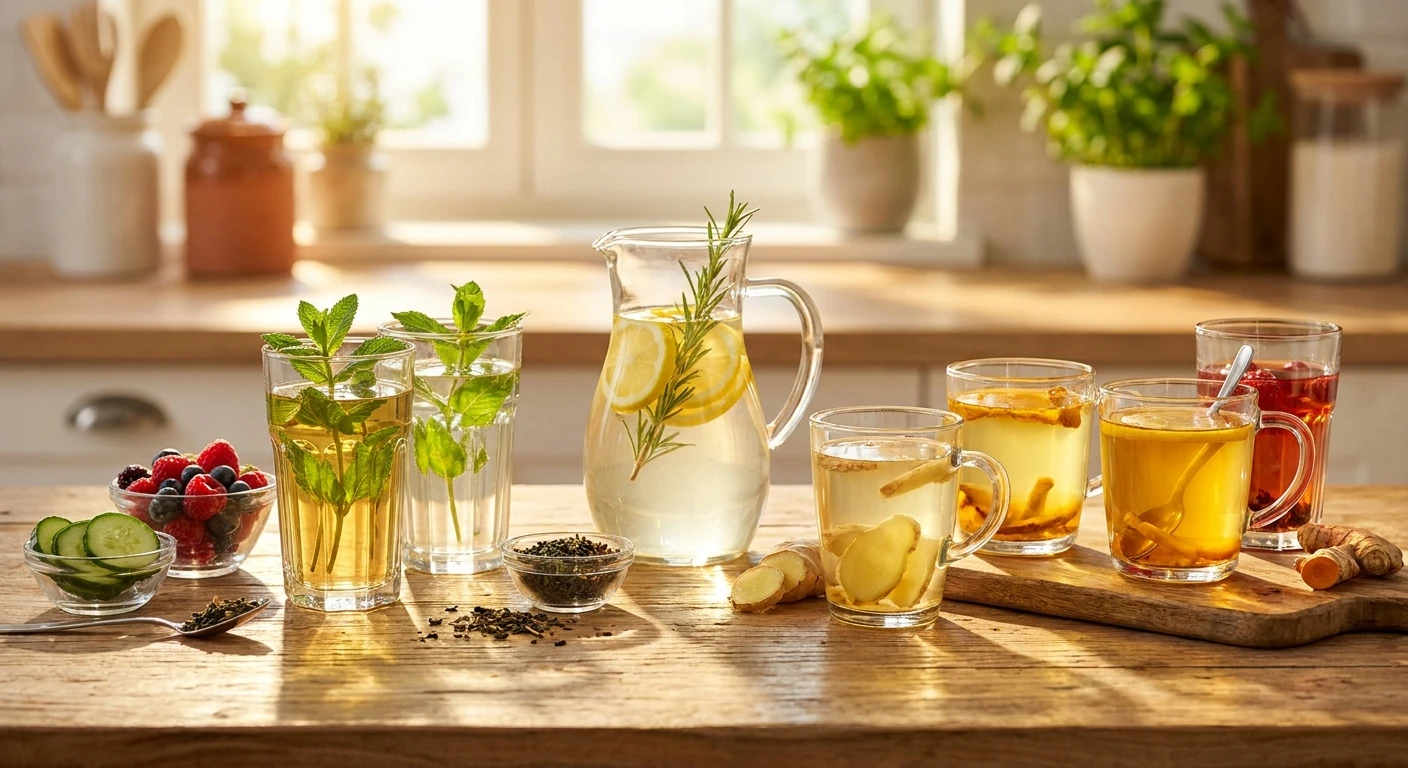
Finding the right debloating drinks can quickly relieve uncomfortable digestive pressure and restore your natural energy levels. We have all experienced that heavy, restrictive feeling after a large meal, where your stomach feels stretched out and painfully tight. Instead of ignoring the discomfort or relying on aggressive synthetic solutions, turning to specific liquid remedies offers a gentle and highly efficient approach. Liquid enters the digestive tract swiftly, allowing active botanical compounds to begin their soothing work almost instantly. Bloating generally stems from a few common culprits: excessive gas production from fermenting carbohydrates, water retention caused by high sodium intake, or simply a sluggish digestive tract that slows down gastric emptying. Understanding the exact ingredients and methods behind these beverages ensures you are targeting the root cause of your specific discomfort rather than just masking the symptoms temporarily. When your gastrointestinal system is struggling to process a heavy meal, providing it with the right hydration, paired with targeted botanical extracts, can significantly accelerate motility. You are not just drinking water; you are delivering specific enzymes, antispasmodic compounds, and natural diuretics directly to the tissues that need them most. Hydration alone is a powerful tool for digestion, but when you infuse that water with medicinal herbs, you elevate a basic biological necessity into a powerful therapeutic remedy.
The Core Benefits and Mechanics of Digestive Tonics
To truly understand how these beverages provide relief, we must look at how they interact with the digestive system. They primarily work through three pathways: relaxing the smooth muscles of the gastrointestinal tract, stimulating the liver to produce bile for fat digestion, and acting as natural diuretics to flush out excess sodium and water weight. By combining these mechanisms, you address both gas-based and water-based distension simultaneously.
Read also: Cortisol Tea: Balance Your Stress Hormones Naturally; How to Cure Sinus Pressure Without Congestion.
| Ingredient | Active Compound | Primary Benefit |
|---|---|---|
| Ginger Root | Gingerol | Speeds up gastric emptying and reduces intestinal gas |
| Peppermint Leaves | Menthol | Acts as an antispasmodic to relax tense stomach muscles |
| Dandelion Root | Taraxasterol | Functions as a natural diuretic to release stored water |
These beverages provide immediate physical relief while simultaneously improving long-term gut health. For instance, sipping a hot cup of ginger tea after consuming a heavy, carbohydrate-dense meal actively reduces the fermentation time in your gut, leading to significantly less gas production. As another example, starting your morning with a glass of warm lemon water kickstarts your digestive enzymes, preparing your stomach for the food you will eat throughout the day. To get the maximum benefit, you need to prepare and consume them correctly.
- Steep your herbs at the correct temperature; robust roots like ginger need boiling water around 212 degrees Fahrenheit, while delicate leaves like peppermint thrive at a slightly cooler 200 degrees to protect their volatile oils.
- Consume the beverage at room temperature or warm, as ice-cold liquids can constrict blood vessels in the stomach and shock the digestive system, thereby slowing down motility.
- Time your intake strategically, ideally sipping the beverage 20 to 30 minutes before a meal to prep the stomach, or roughly one hour after eating to aid ongoing digestion without diluting essential stomach acids.
The Ancient Herbal Traditions
The practice of utilizing steeped botanicals for gastrointestinal health is far from a modern trend. Thousands of years ago, practitioners of Ayurveda in India recognized that specific roots, particularly ginger and turmeric, possessed potent warming qualities that stoked the digestive fire, known as Agni. They understood that poor digestion was the root of many ailments, and hot infusions were prescribed to soothe stomachs after heavy feasts. Similarly, Traditional Chinese Medicine heavily relied on peppermint and fennel seeds to move stagnant energy, or Qi, through the digestive meridians. Ancient healers did not have the chemical vocabulary to name the volatile oils, but their observational science was incredibly accurate.
The Apothecary Era of Europe
As trade routes expanded, these botanical practices made their way to Medieval Europe, where early modern apothecaries began categorizing these plants systematically. Monks cultivated extensive herb gardens, isolating specific plants for their carminative properties—meaning their ability to prevent gas formation or aid in its expulsion. Chamomile, fennel, and caraway became staples in European digestive tinctures and post-dinner cordials. The apothecary era transitioned folklore into recorded herbal medicine, documenting exact ratios and steeping times to maximize the therapeutic output of the plants, laying the groundwork for modern pharmacology.
Contemporary Functional Beverages
Today, the landscape of digestive health has evolved into the era of functional beverages. We now have access to cold-pressed juices, scientifically formulated kombucha, and precision-blended teas. Modern science has validated the ancient texts, identifying the exact molecular structures, like menthol and gingerol, that make these drinks effective. The shift from traditional folklore to clinical validation has led to a massive global wellness trend, making perfectly balanced, scientifically backed liquid remedies accessible in nearly every grocery store worldwide.
The Mechanics of Carminatives
To truly appreciate these beverages, we must understand the pharmacological concept of a carminative. A carminative is an agent that either prevents the formation of gas in the gastrointestinal tract or facilitates the expulsion of said gas. When you consume a heavy meal, the smooth muscle tissue of your intestines can spasm, trapping gas bubbles and causing painful distension. Volatile oils, such as those found in mint and fennel, penetrate the mucosal lining of the gut and interact directly with the calcium channels in the smooth muscle. This interaction prevents excessive muscle contractions, allowing the trapped gas to pass smoothly through the system without causing the sharp, localized pain typically associated with severe bloating.
Osmosis and Diuresis
Water retention is another major contributor to a distended abdomen, often triggered by a high-sodium diet. The body holds onto excess water to dilute the sodium and maintain a safe cellular environment. Potassium-rich liquid ingredients correct this imbalance by interacting with the sodium-potassium pump at the cellular level. When potassium levels rise, the kidneys are signaled to excrete excess sodium through urine, taking the trapped extracellular water with it. This process is known as diuresis.
- Menthol directly acts as a powerful antispasmodic, significantly reducing the visceral pain and cramping associated with trapped intestinal gas.
- Citric acid naturally stimulates liver function and bile production, which is absolutely critical for the accelerated breakdown of complex dietary fats.
- Bromelain, an enzyme abundantly found in fresh pineapple juice, actively breaks down dense protein molecules, easing the digestive burden on the stomach.
- Potassium ions help flush excess extracellular fluid by regulating cellular osmosis, pulling stored water out of the tissues and into the renal system for elimination.
Day 1: The Lemon Kickstart
Begin your week by focusing on enzyme stimulation. Upon waking, squeeze half of a fresh, organic lemon into twelve ounces of warm water. The citric acid mimics natural stomach acid, prompting your liver to produce bile and waking up your digestive tract after a long night of fasting. Drink this slowly before consuming any solid food to prime your system.
Day 2: The Ginger Flush
On the second day, target gastric emptying. Grate one tablespoon of fresh, raw ginger root into a mug and cover it with boiling water. Let it steep for ten minutes. Gingerol acts as a prokinetic agent, meaning it physically speeds up the rate at which food leaves your stomach and enters the small intestine, drastically reducing the window for gas-producing fermentation.
Day 3: Peppermint Soother
Mid-week stress often manifests as digestive tension. For day three, brew a strong cup of peppermint leaf tea in the late afternoon or after dinner. The high concentration of menthol will quickly relax the smooth muscles of your intestinal wall, easing any cramping and allowing trapped air to move through your system effortlessly.
Day 4: Fennel Seed Infusion
Fennel is a classic carminative. Take one teaspoon of whole fennel seeds, crush them lightly to release their volatile oils, and simmer them in water for fifteen minutes. Strain and drink this earthy, licorice-flavored beverage after your heaviest meal of the day. It actively prevents the formation of gas bubbles in the lower intestine.
Day 5: Dandelion Root Detox
By day five, focus on water retention. Swap out your morning coffee for a roasted dandelion root tea. Dandelion is a gentle, potassium-sparing diuretic that encourages your kidneys to release trapped sodium and water without depleting essential minerals, noticeably flattening a water-retaining stomach.
Day 6: Pineapple and Celery Juice
Introduce raw enzymes and hydration. Juice one cup of fresh pineapple chunks with three stalks of celery. The bromelain in the pineapple helps break down stubborn proteins from your diet, while the natural sodium and high water content in the celery deeply hydrate the mucosal lining of your gut, promoting smooth bowel movements.
Day 7: The Master Blend
Combine your knowledge for the final day. Create a master tonic by brewing fresh ginger, adding a squeeze of lemon, a teaspoon of raw honey, and a tiny pinch of cayenne pepper. The cayenne provides a thermogenic boost that stimulates circulation to the digestive organs, while the ginger and lemon perform their respective enzymatic and prokinetic duties.
Myths and Realities of Digestive Beverages
Myth: Drinking highly carbonated sparkling water helps you burp and quickly relieves a bloated stomach. Reality: While a burp may feel satisfying, carbonation actively introduces excess atmospheric gas into your already compromised digestive tract, often worsening the overall distension and pressure in the lower intestines.
Myth: You should chug a massive gallon of water immediately after a heavy meal to flush the food through your system. Reality: Gulping massive amounts of liquid right after eating physically dilutes your natural stomach acid and vital digestive enzymes, effectively slowing down the entire digestive process and causing the food to sit longer.
Myth: Any type of hot herbal tea will automatically debloat you. Reality: Certain teas, especially those highly caffeinated or mixed with artificial sweeteners, can actually irritate the sensitive gut lining. Only specific carminative herbs work reliably for pressure relief.
Myth: Commercial detox teas are the best permanent solution for a flat stomach. Reality: Commercial detox teas frequently contain harsh laxatives like senna, which can cause severe dependency, muscle cramping, and dangerous dehydration rather than true, sustainable digestive relief.
How fast do these beverages typically work?
Most herbal infusions and enzyme-rich juices begin working within 30 to 60 minutes, provided they are consumed warm and on a relatively empty or settling stomach.
Can I drink herbal tonics every single day?
Yes, natural herbal infusions like ginger, peppermint, and fennel are incredibly gentle and completely safe for daily consumption to maintain optimal gut health.
Is iced water bad for a swollen stomach?
Iced liquids can cause the blood vessels in the stomach to constrict, which diverts essential blood flow away from the digestive organs and slows down the breakdown of food.
What is absolutely the best herb for trapped gas?
Peppermint and crushed fennel seeds are widely considered by clinical herbalists to be the most effective and rapid-acting remedies for dissipating trapped intestinal gas.
Does standard green tea help with stomach distension?
Green tea contains mild caffeine and unique antioxidants, which can act as a very gentle natural diuretic to help shed water weight, though it is less effective for gas.
Can I add natural honey to my digestive teas?
A very small amount of raw honey is fine, but consuming excess fructose can ferment in the gut, potentially causing more gas if you have fructose malabsorption.
Are thick fruit smoothies good for reducing swelling?
Heavy, fiber-dense smoothies can sometimes exacerbate the issue by giving the stomach too much bulk to process at once. Stick to thin, clear liquids or strained juices.
Can apple cider vinegar reduce bloating?
Yes, a tablespoon of raw apple cider vinegar diluted in a large glass of warm water before a meal can increase stomach acid, aiding in the swift breakdown of proteins.
Should I drink these remedies on a completely empty stomach?
It depends on the goal. For enzyme stimulation (like lemon water), an empty stomach is best. For gas relief (like fennel), drinking it after a meal is highly effective.
What specific foods should I avoid while treating a swollen stomach?
You should completely avoid high-sodium processed foods, artificial sweeteners, heavily refined carbohydrates, and raw cruciferous vegetables until your digestive system fully normalizes.
Addressing a swollen, uncomfortable abdomen does not require harsh chemicals or extreme fasting. By understanding the underlying biology of your gastrointestinal system and utilizing the active compounds found in nature, you can quickly find comfort. Remember that true digestive wellness is a combination of proper hydration, mindful eating habits, and the strategic use of medicinal botanicals. Now that you know the science and history behind these incredible remedies, pick one of the daily recipes from the plan above and give your digestive system the restorative break it deserves. Start your journey to a flatter, significantly more comfortable stomach today by brewing your first healing tonic!

Leave a Reply