

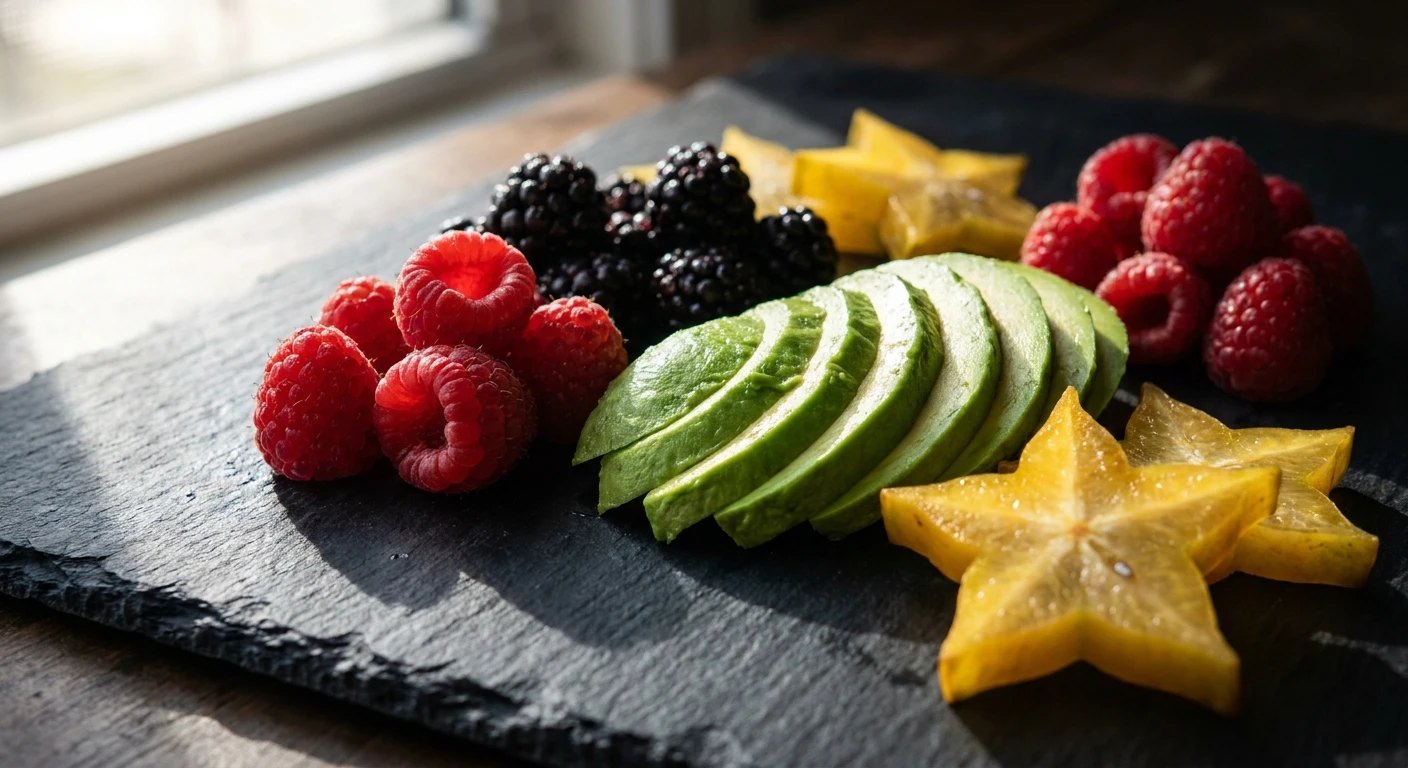
The Complete Guide to keto friendly fruits
Finding truly low-carb, keto friendly fruits can feel like navigating a nutritional minefield when you are committed to maintaining strict ketosis. The traditional ketogenic framework severely limits carbohydrate intake, typically restricting you to a tight window of twenty to fifty grams of net carbohydrates daily. Because most conventional fruits are packed with fructose—a simple sugar that rapidly replenishes liver glycogen and aggressively halts the production of ketone bodies—many beginners mistakenly assume that all naturally sweet produce must be permanently eliminated. The reality is far more nuanced. Nature provides several nutrient-dense options that deliver essential vitamins, vital dietary fiber, and powerful antioxidants without derailing your metabolic state. By understanding the critical distinction between total carbohydrates and net carbohydrates, you can safely integrate specific berries and unique botanical fruits into your daily routine. Mastering portion control and selecting options with the lowest glycemic impact allows you to enjoy the vibrant flavors of fresh produce while continuing to burn fat for fuel. You just need the right strategy to identify which botanical options support your goals and which ones function as metabolic roadblocks.
Successfully navigating the produce aisle requires shifting your perspective from general health advice to strict macronutrient management. Most standard dietary guidelines celebrate bananas, apples, and oranges as daily essentials, but a fat-adapted metabolism processes these high-fructose items as massive sugar loads. Instead, you must prioritize options where dietary fiber heavily offsets the total carbohydrate count. Fiber passes through the human digestive tract largely intact, meaning it does not trigger the severe insulin spikes associated with simple sugars. This biological mechanism allows you to calculate ‘net carbs,’ the actual number of carbohydrates that impact your blood glucose levels. When you choose high-fiber, low-sugar produce, you achieve exceptional satiety and maintain steady energy levels without experiencing the dramatic crashes that accompany sugar consumption.
Read also: When to Take Shilajit: Timing for Maximum Benefits; Watermelon Diarrhea: Causes, Cures, and Prevention.
High-Value Keto Options
| Fruit Type | Net Carbs (per 100g) | Primary Metabolic Benefit |
|---|---|---|
| Avocados | 1.8 grams | Extremely high in heart-healthy monounsaturated fats. |
| Raspberries | 5.5 grams | Exceptional dietary fiber content for sustained satiety. |
| Blackberries | 4.3 grams | Rich in antioxidants that mitigate cellular oxidative stress. |
| Starfruit | 4.0 grams | Provides dense hydration and vital electrolytes like potassium. |
Incorporating these options provides a distinct value proposition: you gain crucial micronutrients, prevent diet fatigue, and satisfy palate cravings, all while keeping your liver securely in a state of lipolysis. For example, eating a measured portion of raspberries delivers Vitamin C and manganese, while eating half an avocado provides the exact fat macros needed to stay full for hours. To utilize these foods effectively, follow a precise protocol.
- Measure portions meticulously: Never eat directly from the container. Always use a digital kitchen scale to measure exact gram amounts, ensuring you stay within your daily macronutrient limits.
- Pair with a dietary fat source: Consume your berries alongside heavy whipping cream, full-fat Greek yogurt, or macadamia nuts. The added fat slows the gastric emptying process, further blunting any minor glycemic response.
- Time consumption around physical activity: Eat your allowed carbohydrates shortly before or immediately after resistance training or cardiovascular exercise, allowing your muscles to absorb the slight glucose influx without interrupting systemic ketosis.
The Origins of Fruit Restriction in Ketogenic Diets
The relationship between carbohydrate-restricted protocols and fruit consumption has undergone massive shifts over the past century. The earliest iteration of the ketogenic diet emerged at the Mayo Clinic in 1921 under the direction of Dr. Russell Wilder. Designed strictly as a therapeutic medical intervention for pediatric epilepsy, this original protocol was exceptionally rigid. It demanded an exact ratio of four parts fat to one part combined protein and carbohydrate. In this clinical environment, the total carbohydrate allowance was incredibly small, often hovering around ten to fifteen grams per day. Medical professionals universally banned all fruit from the wards, prioritizing seizure control over dietary variety. Patients consumed primarily heavy creams, butter, and oils, with absolutely no room for the fructose found even in tart berries. This absolute zero-tolerance policy set the historical precedent that low-carb living required the complete eradication of naturally occurring plant sugars.
The Evolution of Low-Carb Nutrition
Decades later, during the commercial popularization of low-carbohydrate eating in the 1970s and 1990s, medical practitioners like Dr. Robert Atkins introduced a phased approach to carbohydrate restriction. While the initial induction phase mirrored the rigid clinical models by restricting all sweet produce, subsequent phases explicitly reintroduced specific items like strawberries and blueberries. This era marked a paradigm shift, recognizing that adult individuals utilizing fat-adaptation for weight management or metabolic syndrome correction did not require the same extreme physiological parameters as pediatric epilepsy patients. Nutritionists began classifying produce on a spectrum, separating high-glycemic tropical varieties from low-glycemic bush berries. The widespread adoption of the glycemic index during this period provided the scientific justification for allowing controlled portions of specific vegetation, proving that not all natural sugars provoke the identical metabolic catastrophe.
The Modern State of Targeted Fruit Consumption
Today, the ketogenic community operates with highly sophisticated tracking tools and a deeper understanding of human biochemistry. The absolute fruit ban has been entirely replaced by a calculated, data-driven approach. Modern applications allow individuals to scan barcodes, weigh raw ingredients, and instantly calculate exact net carbohydrate loads. Furthermore, current sports nutrition science recognizes that small, targeted amounts of fructose can actually support thyroid function and prevent the metabolic slowdown occasionally observed in long-term, ultra-strict carb restriction. Today’s practitioners actively leverage items like avocados and coconuts—both botanically classified as fruits—as foundational pillars of their daily fat intake. The contemporary focus is entirely on bio-individuality, utilizing continuous glucose monitors to test exactly how a handful of blackberries affects a person’s specific blood sugar curve, allowing for a highly customized and sustainable lifestyle.
Understanding Fructose and Hepatic Glycogen
To truly grasp why only certain fruits are permissible, you must understand the unique metabolic pathway of fructose. Unlike glucose, which can be utilized by virtually every cell in the human body for immediate energy, fructose must be metabolized almost exclusively by the liver. When you consume a high-fructose food, the liver aggressively works to convert that sugar into glycogen. The fundamental biological trigger for ketogenesis—the creation of ketone bodies like beta-hydroxybutyrate—is the depletion of liver glycogen. If you consume a banana or an apple, you instantly refill those hepatic glycogen stores. The liver interprets this signal as a state of energy abundance, immediately halting the breakdown of stored body fat and shutting down ketone production. This biochemical reality dictates that you must choose produce with an extremely low fructose content to avoid refilling the liver’s storage tanks.
Fiber’s Role in Glycemic Control
The secondary biological factor that dictates keto compatibility is the presence and volume of dietary fiber. Fiber acts as a structural physical barrier within the gastrointestinal tract. Soluble fiber binds with water to form a viscous gel in the stomach, which actively slows the enzymatic breakdown of surrounding nutrients and delays the absorption of any accompanying sugars into the bloodstream. Insoluble fiber adds bulk and accelerates transit time. Both mechanisms are crucial for maintaining stable insulin levels.
- Ketogenesis requires exceptionally low circulating insulin, as insulin chemically blocks the enzyme hormone-sensitive lipase from releasing stored triglycerides.
- Net carbohydrates represent the digestible sugars and starches left over after subtracting non-digestible fiber and select sugar alcohols from the total carbohydrate count.
- Polyphenols and anthocyanins found densely packed in the skins of dark berries provide crucial antioxidant support, mitigating the mild oxidative stress that occurs during the initial adaptation to beta-oxidation.
- Botanical classification differs from culinary classification; tomatoes, bell peppers, olives, and eggplants are biologically fruits, yet their minimal fructose and high fiber make them optimal staple foods for fat-adapted individuals.
Day 1: The Avocado Foundation
Begin your integration process by focusing entirely on high-fat, low-carb botanical fruits. On the first day, incorporate one whole Hass avocado divided across your meals. Serve half alongside eggs cooked in butter for your morning meal, and slice the remaining half over a leafy green salad dressed in olive oil later. This establishes a baseline of dense monounsaturated fats while providing massive amounts of potassium, which is critical for preventing early hydration issues.
Day 2: Raspberry Kickstart
Introduce sweet flavors cautiously using the highest-fiber option available. Measure exactly fifty grams of fresh raspberries using a food scale. Gently fold these berries into a bowl of plain, unsweetened, full-fat macadamia nut yogurt or Greek yogurt. The tartness satisfies the palate, while the massive eight grams of dietary fiber per cup ensures your blood sugar remains entirely stable throughout the morning.
Day 3: Strawberry Slices for Salads
Move beyond breakfast applications and integrate fruit into savory dishes. Take three large, fresh strawberries, slice them incredibly thin, and toss them into a massive bowl of spinach, pecans, and goat cheese. The slight sweetness contrasts perfectly with the salty cheese, proving that you can utilize low-glycemic produce to elevate culinary profiles without approaching your macro limits.
Day 4: Lemon Water Hydration
Focus entirely on hydration and kidney health. Squeeze the juice of exactly one half of a fresh lemon into a large carafe of filtered water, adding a heavy pinch of pink Himalayan sea salt. The citric acid binds with calcium in the urine, actively preventing the formation of kidney stones—a known risk factor for individuals suddenly increasing their protein and sodium intake. Count the single gram of carbs toward your daily total.
Day 5: Blackberry Fat Bombs
Combine high antioxidants with pure dietary fats. Blend thirty grams of blackberries with softened cream cheese, grass-fed butter, and a tiny dash of liquid stevia or monk fruit extract. Chill the mixture into small, bite-sized spheres. These fat bombs provide a rapid energy source that completely bypasses the glycemic response, serving as the perfect afternoon bridge between larger meals.
Day 6: Coconut Meat Integration
Leverage the power of medium-chain triglycerides. While most people use the oil, the raw meat of the coconut is an incredible, highly satiating fruit. Shred thirty grams of raw, unsweetened coconut meat and toast it lightly in a dry pan until golden brown. Sprinkle this over roasted vegetables or eat it directly. The MCTs travel straight to the liver for instantaneous conversion into exogenous ketones.
Day 7: Starfruit Experimentation
Explore exotic, low-carbohydrate tropical options to break the monotony. Carambola, commonly known as starfruit, contains an incredibly low sugar profile compared to mangoes or pineapples. Slice fifty grams of fresh starfruit to reveal the distinctive star shapes. Consume this raw as a highly hydrating, crunchy snack that delivers a massive dose of Vitamin C with negligible impact on your fasting insulin levels.
Myth: All naturally sweet produce must be permanently avoided
Reality: While high-fructose items like bananas, grapes, and pineapples will rapidly halt fat burning, specific berries and botanical options are perfectly compatible. Success relies entirely on tracking the net carbohydrate count and maintaining strict portion control, allowing you to enjoy natural sweetness safely.
Myth: Apples and oranges are necessary for essential vitamins
Reality: The nutritional requirements historically met by citrus and orchard produce can be completely satisfied through low-glycemic alternatives. Bell peppers, broccoli, and small amounts of raspberries provide vastly superior Vitamin C concentrations per gram without the massive, detrimental sugar payload that accompanies conventional orchard harvests.
Myth: Citrus juices do not count toward your daily macros
Reality: Liquid calories and hidden carbohydrates accumulate rapidly. Even the juice from lemons and limes contains naturally occurring sugars. Squeezing multiple lemons into your daily water intake can unknowingly add five to ten grams of pure carbohydrates to your system, which must be tracked meticulously.
Myth: Dried cranberries and raisins are healthy low-carb snacks
Reality: The dehydration process removes water and intensely concentrates the natural sugars, turning seemingly harmless produce into dense carbohydrate bombs. Furthermore, commercial dried varieties almost always contain added cane sugar or syrups, making them strictly forbidden on a fat-adapted regimen.
Are blueberries keto?
Blueberries are the highest in total carbohydrates among the common berry family. They can be consumed, but you must restrict the portion to roughly one-quarter cup or less to avoid exceeding your strict daily macronutrient limit.
Can I eat watermelon?
Watermelon is highly glycemic and packed with rapid-digesting sugars. Despite its high water content, the carbohydrate load per standard serving is entirely too high for strict fat-adaptation, making it generally avoided.
Is avocado considered a fruit?
Yes, botanically speaking, avocados are single-seeded berries. Because they are composed almost entirely of heart-healthy monounsaturated fats and dietary fiber with trace amounts of sugar, they are universally considered the ultimate staple for this lifestyle.
How many berries can I safely eat daily?
Depending on your individual metabolic threshold, you can generally consume between one-quarter to one-half cup of raspberries or blackberries per day. Always weigh your portions in grams to guarantee accuracy.
Will eating fruit instantly stop weight loss?
Eating fruit only halts fat loss if the total carbohydrate load exceeds your personal threshold, refilling your liver glycogen and prompting an insulin spike. Measured, high-fiber options will not stall progress.
Are tomatoes allowed on a low-carb diet?
Tomatoes are biologically classified as fruits and are completely acceptable. They contain low amounts of sugar and high amounts of lycopene, making them an excellent savory addition to your daily meals.
What about frozen fruit blends?
Frozen berries are completely acceptable provided there are no added syrups or sugars in the packaging. Always check the ingredient label to ensure the product contains only raw, flash-frozen produce.
Can I consume fruit smoothies?
Standard smoothies destroy the structural integrity of the dietary fiber, causing the natural sugars to hit your bloodstream much faster. If you blend them, you must include heavy fats and proteins to slow the absorption rate.
Successfully navigating your dietary choices requires discipline, accurate information, and a willingness to weigh your food carefully. You do not have to abandon the vibrant tastes of nature to maintain a fat-burning metabolism. By prioritizing avocados, raspberries, blackberries, and other low-glycemic options, you protect your hard-earned progress while fulfilling your nutritional needs. Keep tracking your macronutrients diligently, listen to how your blood sugar responds, and never guess your portion sizes. Share this guide with friends who are struggling with their sweet cravings, and start implementing our seven-day integration plan today to experience true metabolic flexibility!

Leave a Reply