
Understanding the Essentials of Gout Removal and Joint Health
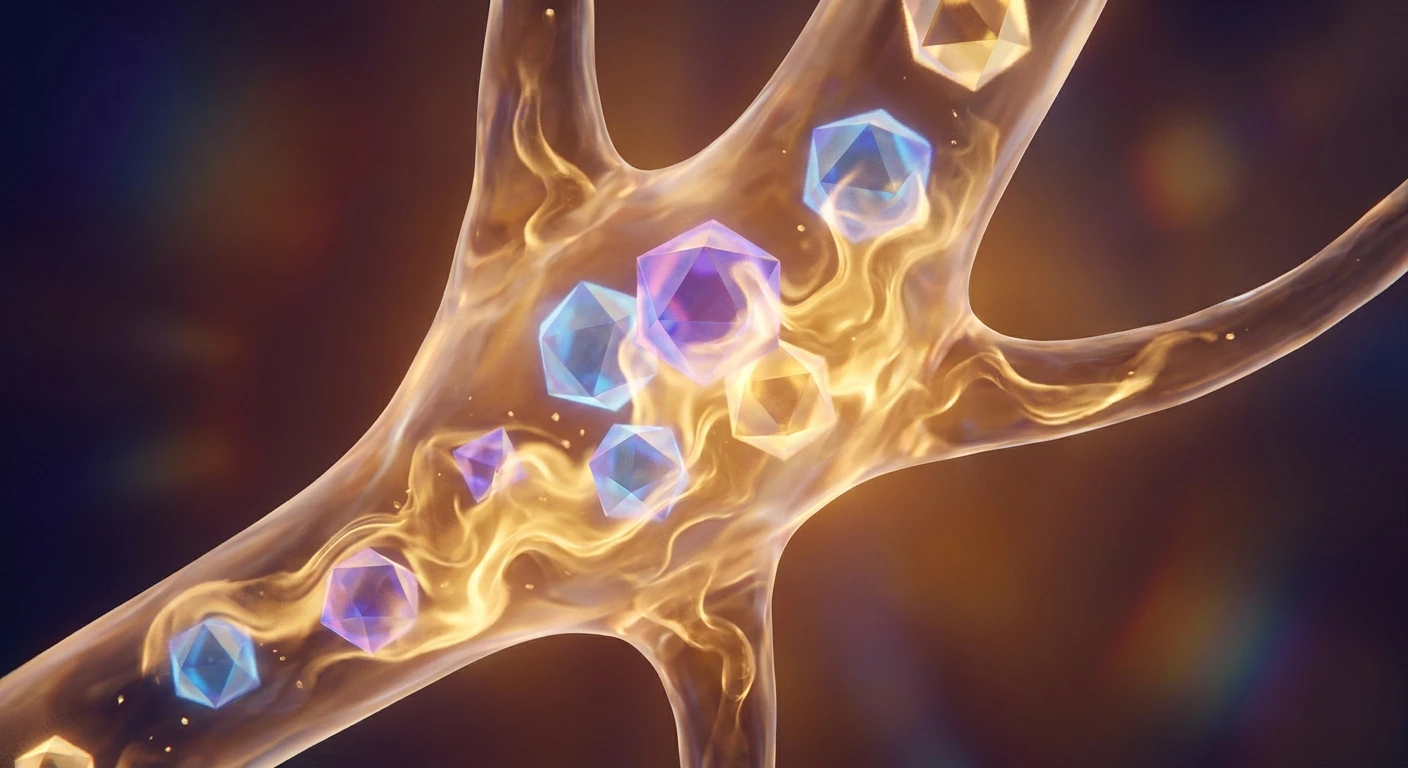
When sudden and severe joint pain strikes, finding effective strategies for gout removal becomes an absolute priority. You might be picturing a literal extraction of the painful substances from your joints, and in a way, that is exactly what medical intervention aims to achieve. The core issue behind this intense discomfort is the accumulation of monosodium urate crystals inside the joint spaces. Getting rid of these jagged, microscopic formations requires a combination of chemical dissolution, lifestyle adjustments, and occasionally, surgical intervention.
You cannot just wish these stubborn deposits away. Leaving uric acid crystals to fester leads to prolonged inflammation, chronic joint damage, and the formation of hardened lumps beneath the skin called tophi. True elimination focuses on lowering the baseline concentration of uric acid in your bloodstream so that the body naturally pulls the accumulated crystals back into solution and flushes them out through the kidneys. It is a biological balancing act.
Read also: How Long Does NyQuil Last? Full Duration and Safety Guide; Pain Under Armpit: Causes, Symptoms, and Complete Action Pla.
This means that approaching the condition requires patience and precise medical guidance. Your body has the innate mechanical ability to filter out metabolic waste, but when the system is overloaded, it needs targeted help to restore balance. By tackling the root cause of hyperuricemia directly, you set the stage for long-term health and functional joints.
The Core Mechanisms of Eliminating Uric Acid
To truly achieve effective elimination of these painful deposits, you need a multi-tiered approach. Medical therapy remains the primary driver of crystal dissolution, while dietary adjustments act as a vital support system. When tophi grow large enough to threaten joint mechanics or break through the skin, orthopedic specialists may step in for physical extraction.
A well-rounded value proposition for proper medical management involves two massive benefits: preventing irreversible bone erosion and stopping the agonizing midnight flare-ups. For example, a patient utilizing daily urate-lowering medication protects their kidney function while simultaneously shrinking existing tophi. As a second example, an individual who cuts out high-fructose corn syrup and excessive purines significantly reduces the daily workload on their renal system, accelerating the overall clearing process.
| Intervention Type | Primary Benefit | Complexity & Risk |
|---|---|---|
| Pharmacological (Medication) | Systemic dissolution of crystals over time | Low physical risk, requires consistent daily adherence |
| Dietary & Lifestyle | Prevents new crystal formation and spikes | No medical risk, demands high personal discipline |
| Surgical Extraction (Tophi) | Immediate physical removal of massive deposits | Moderate risk, involves anesthesia and recovery time |
To begin safely dismantling the buildup in your joints, follow these core steps:
- Establish an Accurate Baseline: Secure a blood test during a flare-free window to measure exact serum uric acid levels.
- Consult a Rheumatologist: Discuss long-term urate-lowering therapies (like Allopurinol or Febuxostat) tailored to your kidney function.
- Surgical Evaluation: If hardened nodules are causing physical deformity or skin ulcerations, consult an orthopedic surgeon regarding physical extraction.
Origins of Uric Acid Management
The human struggle against painful joint crystals dates back to antiquity. Ancient physicians, notably Hippocrates, documented severe joint inflammation primarily affecting wealthy individuals who had access to rich meats and abundant alcohol. They termed it the “disease of kings,” recognizing the link between excessive lifestyle choices and acute joint agony. However, early medical practitioners had no concept of uric acid. They relied on rudimentary treatments, primarily focusing on managing symptoms through diet and primitive herbal concoctions rather than addressing the actual chemical buildup.
Evolution of Gout Treatments
The turning point in managing the condition arrived when scientists successfully identified uric acid as the specific culprit. By the 19th century, the chemical structure of urate crystals was thoroughly mapped. The first major breakthrough in active treatment came with the isolation of colchicine from the autumn crocus plant, a compound used to dramatically suppress the inflammatory response during acute attacks. While colchicine offered brilliant symptom relief, it did not actually remove the underlying crystals. True systemic clearance only became a reality in the mid-20th century with the synthesis of Allopurinol. This medication disrupted the metabolic pathway that produced uric acid, allowing the body to finally catch up and clear the backlog.
The Modern State of Crystal Elimination
Today, medical science approaches the issue with high-precision tools. We now possess advanced biologic drugs that aggressively metabolize uric acid into a highly water-soluble substance, rapidly clearing severe cases of tophi that previously would have required amputation or complex surgery. For localized, calcified deposits that resist medication, modern orthopedic surgeons utilize minimally invasive arthroscopic techniques to physically wash out the joint space. This combination of powerful biochemistry and advanced surgical precision means that permanent joint destruction is entirely preventable with prompt care.
The Chemistry of Urate Crystallization
To understand how to clear the joints, you must grasp the underlying chemistry. Uric acid is a natural byproduct of purine metabolism. Purines are nitrogen-based compounds found heavily in red meat, organ meats, and certain types of seafood. Under normal physiological conditions, uric acid remains dissolved in the blood and travels to the kidneys for safe excretion. However, human blood can only hold a specific amount of uric acid before it reaches a saturation point. When serum concentrations exceed approximately 6.8 mg/dL, the liquid can no longer hold the solute. The excess uric acid precipitates into sharp, needle-like monosodium urate crystals. These microscopic shards lodge themselves into the cooler, peripheral areas of the body, particularly the joints of the toes and fingers.
Biological Filtration Pathways
Your body treats these newly formed crystals as hostile foreign invaders. The immune system dispatches white blood cells, specifically macrophages, to consume and destroy the crystals through a process called phagocytosis. Because the crystals are sharp and indigestible, they physically tear the white blood cells apart from the inside, triggering a massive release of inflammatory cytokines. This chemical warfare is what causes the intense heat, redness, and excruciating pain of an acute attack.
- Hyperuricemia Threshold: Sustained levels above 6.8 mg/dL virtually guarantee crystallization in the peripheral joints.
- Temperature Dependence: Crystals form more easily in colder extremities like the big toe, which is why attacks often happen late at night when body temperature drops.
- Renal Excretion: Approximately 70 percent of daily uric acid disposal is handled directly by the kidneys, highlighting the vital need for optimal renal health.
- Intestinal Excretion: The remaining 30 percent is processed and eliminated through the gastrointestinal tract.
Day 1 – Dietary Baseline and Hydration
Begin your systematic clearance by aggressively addressing your fluid intake. Water acts as the primary transport mechanism for filtering metabolic waste. Consume at least three to four liters of plain water daily to ensure your kidneys have enough volume to flush out excess urate. Simultaneously, establish a strict baseline diet. Eliminate all alcohol, particularly beer, and drastically reduce sugary sodas containing high-fructose corn syrup, as fructose actively accelerates purine production.
Day 2 – Medical Consultation and Blood Work
Do not attempt to manage severe hyperuricemia purely through home remedies. Schedule a consultation with a primary care physician or a rheumatologist. Request a comprehensive metabolic panel to check your kidney function and a specific serum uric acid test. Knowing your exact numbers is the only way to track whether your clearance efforts are actually succeeding.
Day 3 – Initiating Urate-Lowering Therapy
Based on your blood work, your physician will likely prescribe a daily urate-lowering medication. Medications like Allopurinol act as xanthine oxidase inhibitors, fundamentally shutting down the enzyme responsible for creating uric acid. Adherence is critical here. Taking the medication consistently drops the blood concentration low enough that existing joint crystals begin to dissolve back into the bloodstream to be excreted.
Day 4 – Identifying and Eliminating Trigger Foods
Take inventory of your pantry and refrigerator. Remove heavy purine sources such as liver, anchovies, sardines, and heavy gravies. Replace these with low-purine proteins like eggs, dairy, and plant-based legumes. Maintaining a low-purine diet reduces the daily burden on your kidneys, allowing them to focus on clearing the historical backlog of crystals rather than processing yesterday’s heavy meal.
Day 5 – Implementing Anti-Inflammatory Supplements
While food alone cannot cure hyperuricemia, certain additions support the clearance process. Vitamin C has been scientifically demonstrated to possess a mild uricosuric effect, meaning it helps the kidneys excrete uric acid more efficiently. Consider integrating a moderate Vitamin C supplement or focusing on citrus fruits, bell peppers, and strawberries, provided they align with your doctor’s recommendations.
Day 6 – Tracking Joint Health and Tophi Size
Start a daily journal documenting the physical state of your joints. Note the presence of heat, stiffness, and the physical size of any visible tophi beneath the skin. Shrinking tophi is a slow process that takes months of sustained low uric acid levels, but photographing the affected areas gives you objective proof that the crystal deposits are slowly dissolving.
Day 7 – Establishing Long-Term Lifestyle Habits
Crystal elimination is a marathon, not a sprint. Use the seventh day to solidify your new habits. Plan your weekly meals, set alarms for medication adherence, and ensure you have a dedicated water bottle to track hydration. Consistency is the only biological method to keep serum urate levels continuously below 6.0 mg/dL, which is the magic number required to permanently clear the joints.
Common Misconceptions About Clearing Gout Crystals
Myth: You can physically massage gout crystals away to break them up.
Reality: Attempting to forcefully massage an inflamed joint full of sharp urate crystals will cause severe tissue tearing, intensify the inflammatory response, and exponentially worsen your agony. Never massage a joint during an acute attack.
Myth: Drinking large amounts of tart cherry juice will instantly dissolve hardened tophi.
Reality: While tart cherry juice possesses excellent anti-inflammatory properties and can mildly lower uric acid, it is completely insufficient to dissolve large, calcified crystal deposits. Those require sustained pharmaceutical intervention.
Myth: Fasting or starvation diets will clear the body of waste faster.
Reality: Sudden, extreme fasting forces the body to break down its own cellular tissue for energy. This cellular breakdown releases a massive flood of purines into the bloodstream, heavily spiking uric acid levels and triggering severe attacks.
Can surgery permanently fix gout?
Surgery can successfully remove localized, massive tophi that are destroying a specific joint or threatening the skin. However, surgery does not cure the systemic metabolic issue. If you do not lower your blood uric acid levels through medication, the crystals will simply rebuild in the exact same spot.
How long does it take crystals to dissolve?
If you maintain a strict serum uric acid level below 6.0 mg/dL through medication and diet, existing joint crystals and smaller tophi generally take anywhere from six months to two years to completely dissolve back into the bloodstream and exit the body.
Is physical scraping of the joint safe?
Arthroscopic joint debridement (scraping and washing out the joint space) is a highly safe and standard orthopedic procedure when performed by a qualified surgeon. It is generally reserved for patients experiencing severe mechanical joint restriction.
Do home remedies work for tophi?
No home remedy, including apple cider vinegar, baking soda, or Epsom salts, possesses the chemical capability to dissolve hardened tophi beneath the skin. They require sustained medical urate-lowering therapy or surgical extraction.
What is a safe uric acid level?
For a healthy individual without crystal deposits, normal ranges are typically under 6.8 mg/dL. However, for someone actively trying to clear existing crystals and tophi, rheumatologists mandate keeping the level consistently below 6.0 mg/dL, and sometimes below 5.0 mg/dL for severe cases.
Can drinking water flush out crystals?
Water alone cannot dissolve existing solid crystals in the joints. However, high water intake is absolutely essential for helping the kidneys efficiently excrete the uric acid that medications pull back into your bloodstream.
Are there foods that destroy uric acid?
No food actually “destroys” uric acid. Certain foods, like low-fat dairy and vitamin C-rich fruits, can mildly assist the kidneys in excreting it faster, but they do not actively hunt down and destroy crystals in the joints.
Ultimately, achieving effective gout removal requires moving past quick fixes and embracing verified medical science. By combining consistent hydration, strict dietary management, and dedicated pharmaceutical support, you can successfully dissolve the painful crystals plaguing your joints. Do not let tophi dictate your mobility or your quality of life. Speak to a specialized rheumatologist immediately, request a comprehensive blood panel, and take back control of your joint health today!

Leave a Reply