
The Reality and Biology Behind Sagging Balls
You might have noticed a shift in how things sit down there, and let me tell you, asking questions about sagging balls is completely normal. In fact, it is a biological necessity. Every man experiences this natural phenomenon as part of daily life and the aging process. The scrotum is a dynamic, temperature-regulating marvel of human anatomy, designed specifically to expand and contract based on environmental needs. When you start noticing a looser appearance, it is usually just your body doing exactly what it was engineered to do. We often shy away from discussing male anatomy openly, but understanding the physical mechanics behind this changes everything. You gain peace of mind knowing that these shifts are standard physiological responses rather than immediate causes for concern. From temperature fluctuations during a workout to the gradual decrease in skin elasticity over decades, the changes in your scrotal region tell a fascinating story about human biology. Knowledge is your best tool for maintaining comfort and health as you age.
Why the Scrotum Changes Shape and Elasticity
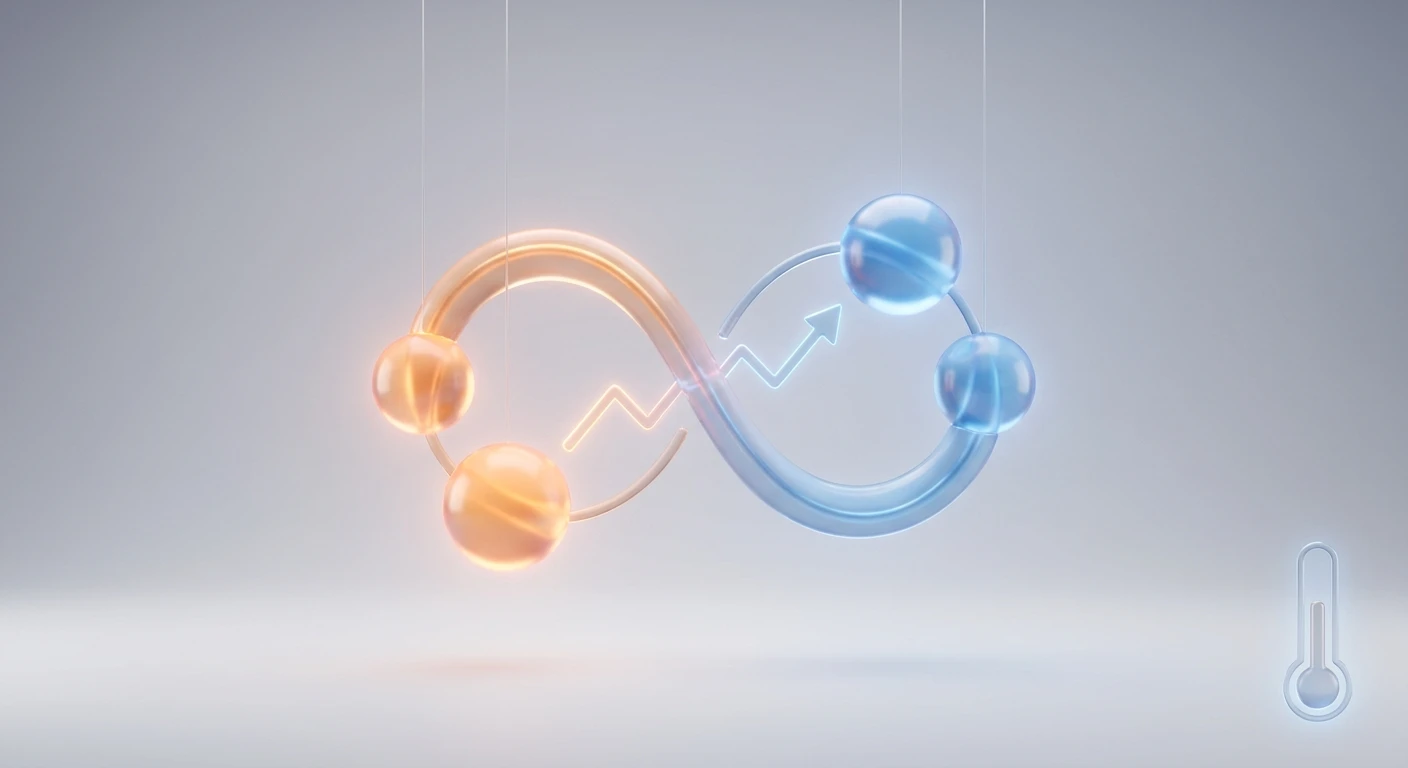
To fully grasp why this happens, we have to look at the continuous battle between your body temperature, gravity, and the natural loss of tissue elasticity. The testicles manufacture sperm and hormones, a process highly sensitive to heat. To keep production optimal, the body uses a built-in thermostat system. When you step into a hot shower, the tissues relax to distance the testicles from your core body heat. Conversely, a cold plunge triggers an immediate retraction to conserve warmth. Over time, however, the constant stretching, combined with a natural decline in collagen, leads to a permanently looser state. Let me give you a couple of practical examples of how this affects daily life. First, if you wear loose boxers during a heavy workout, the lack of support combined with body heat causes maximum relaxation, which can lead to chafing or discomfort. On the flip side, wearing a supportive pouch-style brief helps manage the physical weight, reducing the strain on the connective tissues over time. This value proposition is simple: upgrade your support system, and you drastically reduce daily discomfort.
Read also: Pain Under Armpit: Causes, Symptoms, and Complete Action Pla; Understanding Breakthrough Bleeding: Causes and Management.
| Condition / Factor | Scrotal Reaction | Biological Purpose |
|---|---|---|
| High Temperatures | Maximum relaxation and lowering | Dissipates heat to protect sperm production |
| Cold Environments | Tight retraction toward the body | Conserves core body heat for cellular survival |
| Advanced Age | Gradual, permanent loosening | Result of decreasing collagen and elastin levels |
Here are the primary physiological forces at play:
- The constant demand for precise thermoregulation to protect fertility and hormone levels.
- The relentless, lifelong pull of gravity on unsupported soft tissues.
- The natural aging process, which depletes the structural proteins that keep skin taut.
Evolutionary Origins of Scrotal Position
Have you ever wondered why mammals carry such sensitive organs completely exposed outside the abdominal cavity? It seems like a massive design flaw when it comes to protection. However, evolutionary biology shows us that as warm-blooded mammals developed higher core body temperatures, internal sperm production became inefficient. The external scrotum evolved as a specialized cooling unit. This adaptation allowed mammals to maintain a high internal metabolism for hunting and survival while keeping the reproductive factory safely chilled.
Anatomical Evolution Over Millennia
As human ancestors transitioned to walking upright on two legs, the anatomical setup faced new challenges. Bipedalism meant that gravity pulled directly downward on the scrotum 100 percent of the time we were active. Unlike four-legged animals whose anatomy is supported differently by their horizontal posture, human males developed a highly specialized set of suspensory ligaments and muscles to manage this constant downward force. This evolutionary shift makes the human experience of this natural relaxation quite unique among primates.
Modern Medical Understanding
Today, medical science views scrotal relaxation not as a defect, but as a brilliant, albeit sometimes physically annoying, biological mechanism. Urologists understand that while a loose scrotum is a sign of healthy thermoregulation, excessive drooping in older age can occasionally point to minor vascular issues, such as a varicocele. Generally, though, modern medicine emphasizes that this physical state is a harmless reality of male aging, managed easily with proper supportive garments rather than medical intervention.
The Role of the Cremaster Muscle and Dartos Fascia
Let me break down the actual hardware running this system. Two primary muscular structures control the movement and texture of the scrotum. The first is the cremaster muscle, which surrounds the testicles and spermatic cord. This muscle is responsible for the rapid, involuntary elevation of the testicles during a fight-or-flight response, extreme cold, or physical intimacy. The second is the dartos fascia, a layer of smooth muscle situated just beneath the skin. The dartos muscle dictates the surface area of the skin; when it contracts, it wrinkles the skin to trap heat, and when it relaxes, it smooths out to release heat.
Hormones, Collagen, and the Aging Process
As you accumulate birthdays, your skin’s structural integrity naturally shifts. Collagen and elastin, the proteins responsible for snapping your skin back into place, begin to degrade. Furthermore, fluctuations in hormones can slightly alter fluid retention and tissue density in the pelvic region.
- Spermatogenesis requires an environment roughly 2 to 3 degrees Celsius cooler than standard core body temperature.
- The cremasteric reflex can be triggered simply by lightly stroking the inner thigh.
- After age 30, men lose about 1 percent of their collagen production every year, directly impacting tissue firmness.
- Testosterone levels do not dictate the physical sagging of the skin; it is almost entirely a structural tissue change.
Step 1: Upgrade Your Underwear for Proper Support
If you want to manage the physical discomfort associated with aging anatomy, the first step is tossing out your old, unsupportive boxers. Switch to modern underwear engineered with a supportive pouch. These garments isolate the anatomy, prevent chafing against the thighs, and bear the weight that your cremaster muscle is tired of holding up. Moisture-wicking fabrics like modal or bamboo will also keep the area dry and cool.
Step 2: Manage Daily Temperatures
Be mindful of extreme heat exposure. While relaxing in a hot tub or sauna feels great for your muscles, it forces your dartos fascia into maximum relaxation mode. If you are experiencing discomfort from excessive looseness, limiting your time in extreme heat can help the tissues maintain a more neutral, comfortable state throughout the day.
Step 3: Hydration and Skin Elasticity
Your skin needs water to maintain its remaining elasticity. Drink plenty of water daily to keep your cellular structures hydrated. Additionally, applying a high-quality, men-specific body lotion to the groin area can help maintain skin health, prevent dryness, and keep the external tissue as resilient as possible.
Step 4: Regular Self-Examinations
While examining your anatomy in the shower, pay attention to more than just the skin. You are looking for any unusual lumps, swelling, or a feeling like a ‘bag of worms’ inside the scrotum, which is a classic sign of a varicocele (enlarged veins). Knowing your normal baseline helps you spot genuine medical issues early.
Step 5: Exercise and Pelvic Floor Health
You might not realize it, but your pelvic floor muscles support your entire lower abdomen and groin. Performing Kegel exercises strengthens the pelvic floor, improves blood flow to the groin, and can subtly enhance overall muscular support in the region. Stronger surrounding muscles mean better structural integrity.
Step 6: Diet and Collagen Building
You cannot stop aging, but you can feed your body the raw materials it needs to build connective tissue. Incorporate foods rich in Vitamin C, zinc, and amino acids. Citrus fruits, bone broth, and lean proteins provide the building blocks your body uses to synthesize collagen, helping your skin fight back against gravity.
Step 7: When to Consult a Medical Professional
If you experience a sudden, dramatic change in size, unexplained heaviness on one side, or any pain, it is time to see a urologist. While gradual loosening is entirely normal, acute changes can indicate hernias, varicoceles, or cysts that require a simple professional evaluation to rule out anything serious.
Debunking Common Anatomical Myths
Myth: Sagging is a direct sign that your testosterone levels are crashing. Reality: Hormones have very little to do with the external skin elasticity; it is almost entirely driven by the physical breakdown of collagen and daily temperature management. Myth: Taking ice-cold showers will permanently tighten everything up. Reality: The retraction caused by cold water is a temporary reflex of the cremaster muscle. Once your body warms up, the tissues will relax again. Myth: Heavy weightlifting causes the scrotum to stretch permanently. Reality: Exercise itself does not stretch the tissues. However, lifting heavy weights without wearing proper supportive underwear can cause temporary strain, which is why athletic support gear was invented.
Is it normal for them to hang differently?
Absolutely. Almost every man has one testicle that hangs slightly lower than the other. This is an evolutionary trick to prevent them from crashing into each other when you walk or run.
Can tight underwear cause issues?
Excessively tight, non-breathable underwear can trap heat against your body, raising the temperature too high for optimal sperm production. It is about finding a balance between physical support and thermal breathability.
Does aging guarantee more sagging?
Yes. Just as the skin on your face and neck loses elasticity over the decades, the skin of the scrotum will inevitably follow suit due to natural collagen loss.
Is surgery an option?
There is a cosmetic procedure known informally as ‘scrotox’ or surgical scrotoplasty to reduce excess skin. However, these are generally reserved for extreme cases of physical discomfort and are rarely medically necessary.
Should I worry about sudden changes?
Gradual changes over years are normal. Sudden swelling, a noticeable change in weight on one side over a few days, or any accompanying pain should be evaluated by a doctor immediately.
Does weight affect this?
Carrying excess body fat, particularly around the pubic pad, can alter the appearance and structure of the groin, sometimes making the scrotum appear different or pushing it into positions that cause chafing.
What role does hydration play?
Proper hydration keeps all the skin on your body more resilient. Dehydrated skin loses its snap and tends to drape more heavily, so drinking water helps maintain structural health.
Conclusion on Scrotal Health
Dealing with the natural physical changes of your body does not have to be a source of stress. The reality of sagging balls is simply a testament to your body’s incredible ability to regulate its own temperature and protect its essential functions. By understanding the science behind the cremaster muscle and collagen loss, you can take simple, everyday steps to stay comfortable. Upgrade your underwear, stay hydrated, and keep an eye on your baseline health. Take charge of your physical comfort today by investing in gear that supports your anatomy and booking a routine checkup with your doctor just to stay ahead of the game.

Leave a Reply