

Why Fresh Oregano is the Ultimate Kitchen Game Changer
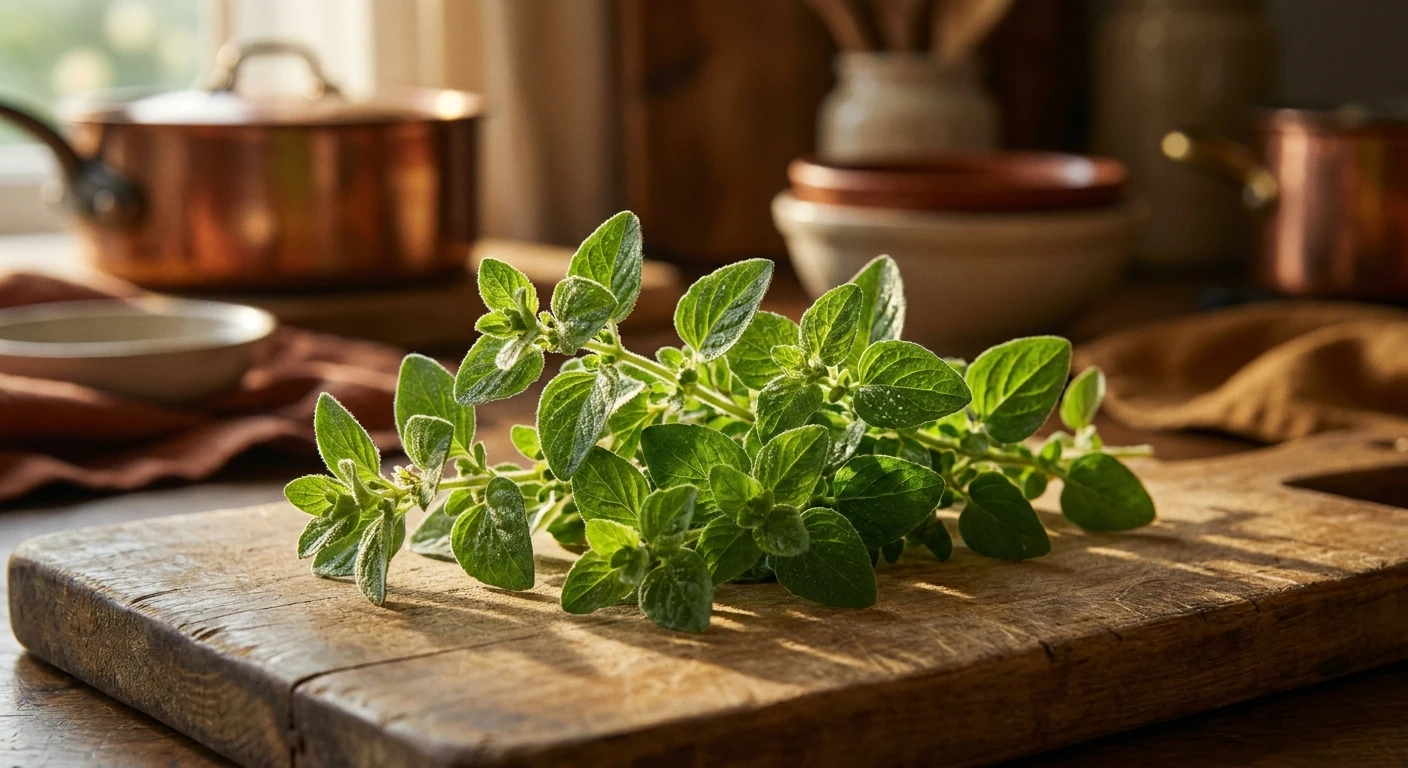
Listen, bringing fresh oregano into your kitchen completely upgrades your cooking routine from standard to spectacular. When you grab that vibrant, aromatic bunch from the farmers market or grocery store produce aisle, you hold a botanical powerhouse that has defined Mediterranean and global cuisines for centuries. Forget the dusty jars sitting in the back of your pantry; fresh oregano delivers a bright, peppery, and slightly sweet flavor profile that dried flakes simply cannot match. You get the immediate, punchy aroma of essential oils hitting the air the second you bruise a leaf. I want to show you exactly how to maximize every single sprig of this magnificent herb. The truth is, most home cooks underestimate the sheer versatility of the fresh leaf. They sprinkle a little on a pizza and call it a day. But if you treat it with the respect it deserves, you unlock layers of flavor that elevate marinades, dressings, grilled meats, and roasted vegetables. It bridges the gap between amateur cooking and professional flavor building. We are going to explore the distinct advantages of using the herb in its natural, hydrated state, compare it directly to its pantry counterparts, and build a concrete strategy for integrating it into your daily meal prep. By the time you finish reading, you will know exactly how to handle, store, and cook with it like a seasoned chef, ensuring zero waste and maximum culinary impact.
The Core Benefits and Techniques for Handling Your Harvest
Understanding how to handle your herbs dictates the success of your dish. The moment you decide to use the fresh plant over the dried alternative, you commit to a brighter, more nuanced flavor. The fresh leaves contain water, which mellows the intense, sometimes bitter essential oils found in the dehydrated version. This means you can use it more generously as a finishing garnish without overwhelming the palate. Think about tossing a handful of whole leaves into a bright summer salad, or muddling it into a refreshing cocktail. You simply cannot do that with dried flakes.
Read also: Best Pickled Beets Benefits for Your Daily Diet; Agave vs Honey: Which Natural Sweetener is Truly Better?.
| Herb Form | Flavor Intensity and Profile | Best Culinary Application |
|---|---|---|
| Fresh Leaves | Bright, peppery, grassy, mild citrus notes | Finishing dishes, fresh salsas, chimichurri, light dressings |
| Dried Flakes | Highly concentrated, earthy, slightly bitter | Long-simmering sauces, heavy stews, dry spice rubs |
| Ground Powder | Overwhelmingly intense, very earthy | Commercial seasoning blends, emergency pantry substitutions |
To really grasp the value proposition here, look at two incredibly common kitchen scenarios. First, imagine you are finishing a homemade Neapolitan pizza right as it comes out of the blisteringly hot oven. Tossing fresh oregano leaves over the bubbling mozzarella allows the residual heat to gently release the oils, creating an intoxicating aroma without burning the herb. Second, consider making a vibrant chimichurri or salsa verde. You need the structural integrity, the vibrant green color, and the grassy moisture of the fresh leaf to emulsify with the olive oil and vinegar. Dried herbs would simply absorb the oil and turn gritty. To ensure you get these results every single time, you need a flawless prep and storage routine.
- Washing and Drying: Immediately submerge the entire bunch in a bowl of cold water to gently loosen any dirt or sand. Lift the stems out, shake off the excess water, and pat them completely dry with a paper towel or spin them in a salad spinner. Any residual moisture will cause the leaves to rot quickly in the fridge.
- Stripping the Stems: Hold the top tip of the stem firmly with one hand. Pinch the stem just below the tip with your thumb and index finger of your other hand, and pull firmly downward against the direction of leaf growth. The leaves will easily strip off, leaving you with a bare stem that you should absolutely save for flavoring broths.
- Precision Chopping: Pile the stripped leaves into a tight little mound on your cutting board. Using a razor-sharp chef’s knife, rock the blade back and forth over the pile exactly once or twice. Over-chopping bruises the delicate cell walls and turns the edges black, causing the flavor compounds to oxidize and degrade before they even hit your food.
- Optimal Storage Strategy: Wrap the unwashed, uncut leftover sprigs loosely in a slightly damp paper towel. Place this bundle inside a plastic bag or an airtight container, leaving the bag slightly open for airflow, and store it in the warmest part of your refrigerator, usually the crisper drawer. This method guarantees freshness for up to two weeks.
Tracing the Origins of the Joy of the Mountain
The Ancient Greek Origins
To appreciate what you are cooking with, you have to look back at the rocky hillsides of the Mediterranean. The word itself translates from ancient Greek—’oros’ meaning mountain, and ‘ganos’ meaning joy. The ancient Greeks literally viewed this vibrant plant as the joy of the mountain. Legend has it that Aphrodite, the goddess of love, created the herb as a symbol of happiness and grew it in her garden. It was not just a culinary staple; it was heavily integrated into daily life. Couples were crowned with wreaths of the fragrant branches during weddings to ensure a joyful marriage, and it was planted on graves to give peace to departed souls. Hippocrates, the famous physician of antiquity, utilized the plant extensively as a medical antiseptic and a cure for stomach ailments, recognizing its potent properties centuries before modern science could identify the active compounds.
The Evolution Through Europe
As the Roman Empire expanded, they conquered Greece and quickly adopted the joyous mountain herb, spreading its cultivation throughout Europe and Northern Africa. The Romans loved heavily spiced, complex dishes, and the robust flavor profile fit perfectly into their elaborate banquets. During the Middle Ages, its use transitioned slightly. While still used to flavor meats and mask the smell of preserving foods before the advent of refrigeration, it became a staple in the medicinal gardens of monasteries. Monks would cultivate massive plots of the herb, utilizing it to brew strong teas meant to fight off winter colds and alleviate rheumatism. It was during this era that different regional varieties began to emerge naturally, as the plant adapted to the slightly cooler, wetter climates of Northern Europe, though it never quite achieved the intense aromatic punch of the Mediterranean cultivars grown in arid, rocky soil.
The Modern Culinary State
Fast forward to the modern era, and the global explosion of the herb’s popularity is fascinatingly tied to the end of World War II. American soldiers stationed in southern Italy fell in love with local dishes, particularly the heavy, herb-laden tomato sauces and the local pizzas. When they returned home, they demanded the flavors they had experienced overseas, sparking a massive boom in the cultivation and importation of the plant. Today, it is an absolute greenhouse staple and a commercial crop grown on every single continent except Antarctica. Modern agricultural techniques have isolated specific cultivars to enhance either the essential oil yield for medicinal supplements or the leaf size and visual appeal for grocery store produce aisles, solidifying its place as a cornerstone of global gastronomy.
The Phytochemistry of the Leaf
Analyzing Terpenes and Phenols
Let us get slightly technical because understanding the science behind the flavor makes you a much better cook. The intense, mouth-watering aroma you experience when you chop fresh oregano is entirely due to volatile organic compounds called terpenes and phenols stored in microscopic glandular trichomes on the surface of the leaves. When your knife slices through these glands, the compounds vaporize instantly. The two absolute heavyweights in this chemical lineup are carvacrol and thymol. Carvacrol provides that warm, pungent, almost spicy kick that hits the back of your throat. Thymol, which is also heavily present in thyme, offers a slightly sweeter, earthy camphor note. The ratio of these two phenols dictates the specific flavor profile of the bunch you bought. Mediterranean varieties are typically dominated by carvacrol, making them robust and savory, whereas other regional strains might lean heavier on thymol, offering a more delicate, floral experience.
The Biochemical Health Mechanisms
Beyond the incredible taste, these chemical compounds operate as serious biological defense mechanisms for the plant, which happily translates into tangible benefits for anyone consuming them. The high concentration of phenolic compounds makes the raw leaf a potent source of dietary antioxidants.
- Antimicrobial Action: Carvacrol has been extensively studied for its ability to break down the cell membranes of certain pathogenic bacteria, acting as a natural preservative and offering robust antibacterial properties when consumed.
- Antioxidant Capacity: The rosmarinic acid present in the fresh leaves acts as a powerful free radical scavenger, helping to neutralize oxidative stress at a cellular level, which is a major factor in reducing systemic inflammation.
- Nutrient Density: Despite being consumed in relatively small quantities, the raw leaves are incredibly dense in essential micronutrients, particularly Vitamin K, which is absolutely critical for healthy bone metabolism and proper blood clotting mechanisms.
- Digestive Stimulation: The bitter compounds and essential oils actively stimulate the production of bile and digestive enzymes in the stomach, which significantly aids in the breakdown of heavy, fat-rich meals like roasted meats and olive oil-heavy dressings.
7-Day Actionable Plan: Mastering Your Herb Bundle
Day 1: The Classic Herb Infusion
You just brought home a massive, fragrant bunch and you need to kick off your culinary week. Start simple to truly understand the pure flavor. Take a handful of the stems, lightly bruise the leaves by slapping them against your hand, and drop them into a bottle of high-quality extra virgin olive oil. Add a smashed clove of garlic. Let this sit at room temperature for the next 24 hours. You are creating a foundational finishing oil that will instantly elevate your daily cooking without any extra effort.
Day 2: Bright Chimichurri Sauce
Time to get aggressive with the flavor. Strip a massive pile of leaves until you have about half a cup tightly packed. Finely chop them along with a large bunch of flat-leaf parsley, three cloves of garlic, and a fresh red chili. Whisk this green mixture with red wine vinegar, salt, and enough olive oil to create a loose, spoonable sauce. You now have a world-class condiment ready to be slathered over grilled flank steak, roasted chicken, or even fried eggs for breakfast.
Day 3: Mediterranean Salad Dressing
Your palate is waking up. Today, we conquer salads. Whisk together a tablespoon of finely minced fresh oregano, the juice of one whole lemon, a teaspoon of Dijon mustard to act as an emulsifier, and a pinch of kosher salt. Slowly stream in your olive oil until the dressing gets thick and creamy. Toss this aggressively with crisp cucumbers, ripe cherry tomatoes, red onions, and massive chunks of feta cheese. The fresh herb cuts right through the rich cheese.
Day 4: Roasted Poultry Marinade
We are moving to heavy proteins. Take an entire chicken and spatchcock it. In a mortar and pestle, smash together salt, black peppercorns, garlic, lemon zest, and a huge handful of roughly chopped fresh oregano leaves until you form a green, fragrant paste. Rub this paste under the skin of the chicken and all over the meat. As it roasts at high heat, the moisture in the leaves will protect the essential oils from burning instantly, creating a crust that smells unbelievable.
Day 5: Savory Herb Butter
Let us preserve some flavor for the weekend. Take a stick of high-quality, unsalted European butter and let it soften to room temperature. Fold in two tablespoons of minced leaves, a pinch of flaky sea salt, and a dash of cracked black pepper. Roll the butter back up in parchment paper into a tight log and chill it in the fridge. You can slice coins of this compound butter to melt over sizzling steaks, toss through hot pasta, or spread on toasted sourdough.
Day 6: Zesty Pasta Finish
Keep dinner incredibly simple but highly refined. Boil your favorite long pasta until it is perfectly al dente. In a large skillet, warm up the infused olive oil you made on Day 1. Sizzle a little extra garlic, toss in the cooked pasta along with a splash of starchy pasta water, and vigorously stir to create a glossy sauce. Right before you take it off the heat, throw in a generous handful of whole fresh oregano leaves and a mountain of grated Parmigiano-Reggiano.
Day 7: Preserving the Rest
You have reached the end of the week and you likely have a few sprigs left over that are starting to look a little tired. Do not throw them away. Strip the remaining leaves and pack them tightly into an empty ice cube tray. Pour neutral cooking oil or melted butter over the leaves to completely submerge them, and place the tray in the freezer. Next week, you can pop out an herb-infused fat cube directly into a hot pan to instantly start a savory base for soups or sautés.
Myths and Reality of the Kitchen
Myth: You can swap the raw leaves and the dried flakes in your recipes in equal, one-to-one amounts.
Reality: The dehydration process massively concentrates the essential oils and removes the water weight. If a recipe calls for one tablespoon of fresh oregano, you should only use one teaspoon of the dried version. Using a one-to-one ratio will completely overpower your dish with bitter, earthy notes.
Myth: This herb is exclusively meant for traditional Italian cooking and pizza.
Reality: While it is famous in Italian-American cuisine, it is a massive foundational pillar in Mexican cooking, Greek street food, Turkish kebabs, and bright Argentine meat sauces. It is incredibly versatile across global flavor profiles.
Myth: The tough, woody stems are completely useless and should go straight into the trash.
Reality: The stems actually pack a massive amount of intense flavor. You should toss whole, bare stems into simmering stocks, bone broths, or pots of beans, and simply fish them out with tongs before serving, treating them exactly like you would a traditional bay leaf.
Frequently Asked Questions
How long does it typically last in the fridge?
If you wrap it loosely in a slightly damp paper towel and store it in an airtight container or zip-top bag in the crisper drawer, it will easily stay crisp and vibrant for 10 to 14 days.
Can I freeze the raw leaves for long-term storage?
Yes, but they will lose their crisp texture. The best freezing method is to pack the chopped leaves into ice cube trays, cover them with olive oil or melted butter, and freeze. They are perfect for dropping into hot pans later.
Does the plant grow well indoors on a windowsill?
Absolutely. It is a resilient, sun-loving herb. As long as you have a south-facing window that gets at least six hours of direct sunlight and you use well-draining soil, it will thrive inside your home.
Are the Mexican and Mediterranean varieties exactly the same?
No, they are actually entirely different botanical families. The Mediterranean variety belongs to the mint family and offers sweet, peppery notes. The Mexican variety belongs to the verbena family and carries stronger citrus and licorice flavors.
Is the raw plant perfectly safe for household pets?
While a tiny nibble likely will not cause severe harm, large amounts of the essential oils can cause mild gastrointestinal upset in dogs and cats. It is best to keep your indoor pots out of reach of curious pets.
Can I brew the fresh leaves to drink as a hot tea?
Yes, steeping a small handful of the clean leaves in boiling water for five minutes creates a soothing, savory herbal tea that is traditionally used to help settle an upset stomach or soothe a sore throat.
When exactly should I add it to the pan during cooking?
Because the aromatic oils are highly volatile and degrade quickly under sustained high heat, you should add the chopped leaves at the very end of the cooking process, or use them as a raw garnish right before serving.
To summarize, treating your raw herbs with proper technique absolutely changes the dynamic of your home cooking. From creating robust marinades to delicate finishing oils, the joy of the mountain is ready to work for you. Grab a fresh bunch on your next grocery run, try the chimichurri recipe, and completely transform your dinner tonight!

Leave a Reply