

The Truth About How Rare Are Blue Eyes
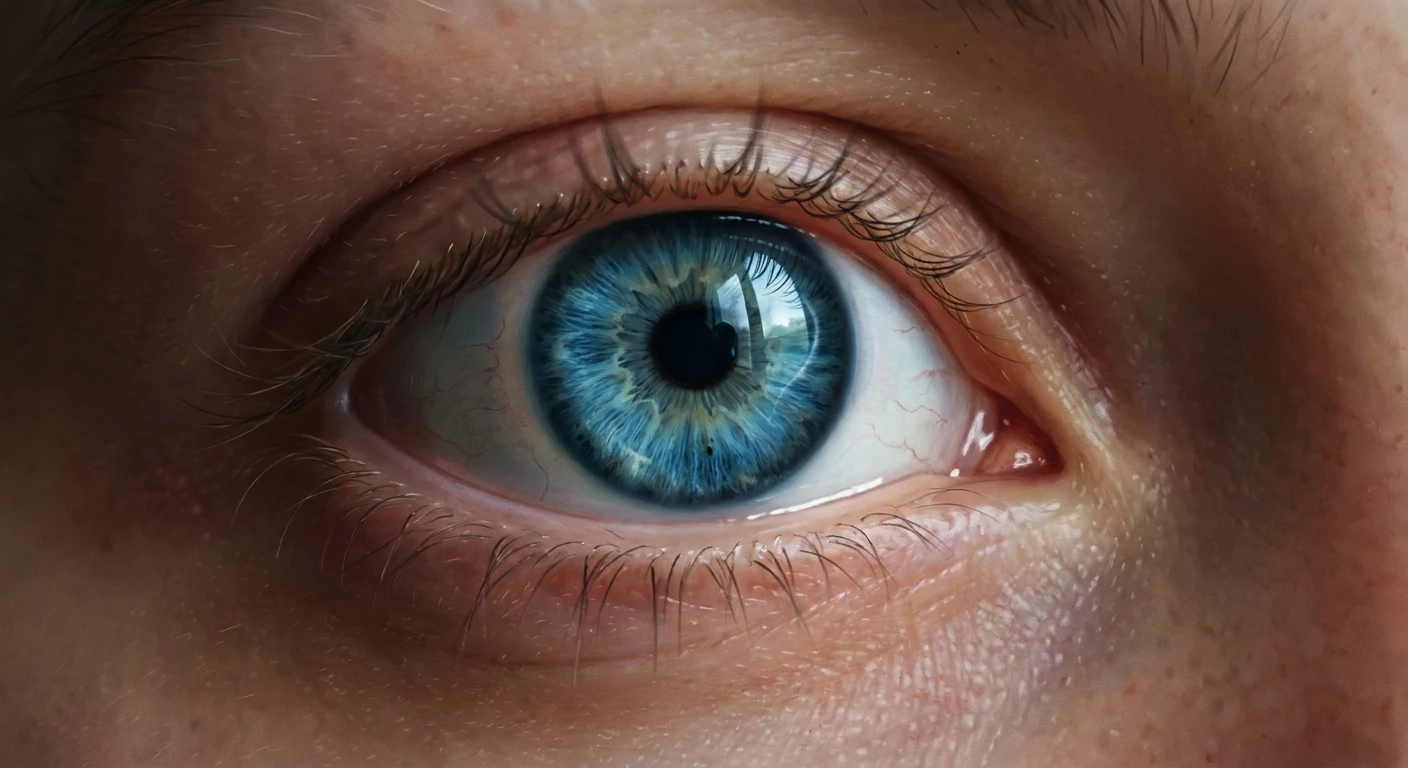
If you have ever looked at a striking gaze and wondered exactly how rare are blue eyes, you are definitely not alone. The visual impact of a bright, icy stare has captivated artists, scientists, and everyday people for centuries. But beyond the aesthetic appeal, there is a fascinating genetic and demographic story hiding in plain sight. Globally, only about 8 to 10 percent of the human population carries this distinctive trait. That makes it a distinct minority compared to the overwhelmingly dominant brown eye color that characterizes most of humanity. Understanding the scarcity of this phenotype requires looking back thousands of years into human history and zooming deeply into the microscopic world of our DNA. The global population is vast, and the distribution of genetic traits is anything but even. While you might see plenty of light-eyed individuals in certain northern countries, stepping outside those specific geographic zones paints a very different picture. The sheer statistical improbability of two perfectly aligned recessive genes meeting to create this light-colored iris is a biological marvel. By exploring the history, the science, and the modern distribution of this physical characteristic, we gain a much clearer understanding of human migration and genetics. Let us look closely at the facts, dispel the common myths, and map out the genuine rarity of this fascinating genetic expression.
Understanding the Global Distribution and Rarity
When you start to map out human physical traits, the geographic concentration of specific genes becomes immediately apparent. The rarity of an eye color is completely dependent on where you are standing on the globe. In parts of Scandinavia, finding someone without light-colored eyes is actually the rarity, whereas in regions like Eastern Asia or Sub-Saharan Africa, a natural blue iris is extraordinarily uncommon. This uneven distribution is a direct result of historical migration patterns and the isolated breeding populations of our ancient ancestors. The value of understanding this genetic distribution is twofold. First, knowing how traits are passed down provides incredible insights for ancestry tracing, allowing geneticists to track historical human movements across continents. Second, it holds medical significance; understanding melanin production helps map out vulnerabilities to ultraviolet light and specific ocular health risks. There are three primary factors that dictate exactly how common or scarce this trait is in any given population.
Read also: Discover the Science Behind Every Rare Eye Color; Does Lexapro Make You Gain Weight? Facts.
- Melanin Concentration: The exact amount of pigment produced in the front layer of the iris dictates the physical appearance of the eye.
- Geographic Isolation: Historically isolated populations in regions with lower sunlight developed and retained lower melanin levels over millennia.
- Recessive Genetic Inheritance: Because the trait requires specific mutated genes from both parents to visibly express itself, it is easily masked by dominant brown-eyed genes.
To put this into perspective, we can look at the statistical breakdown across different regions. This data highlights the stark contrast between localized abundance and global scarcity.
| Geographic Region | Estimated Percentage of Blue Eyes | Dominant Eye Color in Region |
|---|---|---|
| Scandinavia (e.g., Finland, Sweden) | 80% – 89% | Blue / Light Grey |
| United States | 27% | Brown |
| Global Average | 8% – 10% | Brown |
As the table demonstrates, regional numbers can heavily skew perception. If you live in Northern Europe, you might assume the trait is completely standard. However, looking at the entire human species, it remains a rare and specialized genetic variation.
The Genetic History and Ancient Migrations
Origins of the Mutation
Every single person on earth with this specific iris color can trace that physical trait back to a singular, remarkable genetic event. According to comprehensive genetic research, a specific mutation occurred in a single individual living somewhere around the northwest region of the Black Sea. Scientists estimate this occurred roughly 6,000 to 10,000 years ago during the Neolithic period. Before this singular mutation happened, every human being on the planet had brown eyes. The mutation did not actually create a new color; rather, it created a genetic switch that effectively turned off the body’s ability to produce brown melanin in the iris. This individual became the ancient ancestor of every light-eyed person alive today, passing down this unique biological quirk through countless generations.
Evolution and Geographic Spread
As ancient human tribes began to migrate from the Middle East and the Black Sea regions up into the northern territories of Europe, they carried this newly minted genetic switch with them. In the sun-drenched environments of the equator, high melanin production is crucial for protecting the skin and eyes from intense ultraviolet radiation. However, as humans moved into the overcast, low-light environments of Northern Europe, the heavy pigmentation was no longer a survival necessity. While there is ongoing debate among anthropologists about why this specific trait proliferated so heavily in Europe—some suggest it offered a sexual selection advantage, while others argue it was merely a byproduct of genes related to lighter skin for Vitamin D synthesis—the fact remains that the trait flourished in these northern isolation pockets.
The Modern State of Population Genetics
Today, the landscape of human genetics is shifting rapidly. With unprecedented global mobility, populations that were geographically isolated for millennia are now mixing at a high rate. Because the gene responsible for a lack of melanin in the iris is recessive, the offspring of mixed-trait couples will typically have darker eyes. This has led to a slow but measurable decrease in the overall percentage of light-eyed individuals in highly diverse countries like the United States over the past century. However, this does not mean the trait is vanishing. The recessive genes are still being passed down invisibly, meaning the genetic blueprint for this striking physical feature will remain a permanent, albeit small, part of the human genome.
The Science Behind the Stare
The Role of Melanin and the OCA2 Gene
To truly grasp the science here, you have to look at the machinery of human DNA. Eye color is fundamentally a story about melanin, the exact same biological pigment that determines the color of your skin and hair. The OCA2 gene is the primary instruction manual that tells your body how much of this melanin to produce and store in the compartments of the iris. However, a neighboring gene, known as HERC2, acts as a molecular switch. In people with light eyes, the HERC2 gene effectively flips the switch to the off position, severely limiting the OCA2 gene’s ability to deposit melanin in the front layer of the iris. Without that dark brown pigment covering the eye, the underlying physical structures are exposed to incoming light.
Understanding Rayleigh Scattering
One of the most fascinating scientific truths is that there is no actual blue pigment in the human eye. The color you perceive is purely an optical illusion caused by the physics of light, specifically a phenomenon known as Rayleigh scattering. When light enters the pigment-free front layer of the iris, it scatters the longer wavelengths of light (like reds and yellows) and reflects the shorter wavelengths (the blues) back out to the observer. It is the exact same optical physics that makes the sky look blue during the day. You are literally looking at scattered light rather than a physical color dye.
- The human iris consists of two layers: the epithelium at the back and the stroma at the front.
- In all human eyes, regardless of visible color, the back epithelium contains dark brown pigment.
- It is the total lack of pigment in the front stroma that allows light to scatter and reflect back as a cool tone.
- Because it relies on scattered light, the exact shade of the eye can appear to change depending on the lighting conditions and the colors worn by the individual.
7 Steps to Trace Eye Color Genetics
Step 1: Identify Parental Phenotypes
The first step in understanding the genetic probabilities within your own family is to carefully document the visible eye colors of both biological parents. Because darker pigment is a dominant trait, a brown-eyed parent can carry both a dominant and a recessive gene, whereas a light-eyed parent typically carries two recessive genes. Documenting the parents is the baseline for all genetic mapping.
Step 2: Look at Grandparent Genetics
Because recessive traits can hide for generations, looking at the grandparents provides a much clearer picture of what hidden genes might be lurking in the family tree. If a brown-eyed parent has a parent with light eyes, it is a biological certainty that they carry the recessive gene for that lighter trait, drastically changing the math for their offspring.
Step 3: Map the Punnett Square
Using the data gathered from the parents and grandparents, you can map out a standard Mendelian Punnett square. This simple four-box grid allows you to cross the genetic contributions of both parents to determine the statistical probability of a child inheriting two recessive genes. While basic, it offers a solid foundational estimate of inheritance probabilities.
Step 4: Account for Polygenic Inheritance
While the Punnett square is useful, human genetics are far more complicated than high school biology suggests. Up to 16 different genes can influence the exact shade, pattern, and flecking of the iris. You must account for this polygenic complexity, understanding that variations like green, hazel, and amber are all part of this massive genetic spectrum.
Step 5: Observe Infant Eye Color Changes
If you are trying to determine a baby’s final eye phenotype, you must practice patience. Many infants of Caucasian descent are born with highly unpigmented irises because their body’s melanin production has not fully activated. It can take anywhere from six months to three years for the melanocytes to finish depositing pigment, permanently locking in the final shade.
Step 6: Utilize DNA Testing Options
For those who want absolute certainty rather than statistical guesses, modern genetic testing offers incredible precision. By submitting a simple saliva swab to a reputable genetic sequencing service, you can have your specific DNA markers analyzed to see exactly which dominant and recessive alleles you carry in your genome.
Step 7: Analyze the HERC2 and OCA2 Markers
When you receive your genetic sequencing results, specifically look for the analysis of your HERC2 and OCA2 genes. These specific markers will tell you exactly whether you possess the mutation that throttles melanin production. Understanding these exact markers gives you the definitive answer about your genetic makeup.
Common Misconceptions
Myth: Two parents with light-colored eyes can never have a brown-eyed child. Reality: While it is statistically highly improbable, polygenic inheritance means that hidden modifier genes can occasionally interact to produce darker pigment in the offspring of two light-eyed parents.
Myth: The trait is actively going extinct and will disappear in a few generations. Reality: Recessive genes do not simply vanish from the human genome. Even as global populations mix and the visible expression of the trait becomes less common, the genetic blueprint remains intact and will continue to appear.
Myth: You can change the color of your irises by eating a raw food diet or using specialized honey drops. Reality: Your iris pigmentation is completely locked in by your DNA sequence. No dietary changes, herbal remedies, or eye drops can alter your genetic melanin production; attempting to use unapproved drops is incredibly dangerous to your vision.
Myth: Lighter eyes have stronger night vision. Reality: There is no scientific evidence to suggest improved night vision. However, because they lack protective melanin, they are generally more sensitive to harsh sunlight and glare, a condition known as photophobia.
Frequently Asked Questions
Are blue eyes the rarest color globally?
No, they are actually the second most common worldwide. True green eyes are significantly rarer, appearing in only about 2 percent of the global population, making green the rarest standard color.
Where are blue eyes most common?
They are overwhelmingly concentrated in Northern European countries bordering the Baltic Sea, such as Estonia, Finland, and Sweden, where the vast majority of the population carries the trait.
Can two brown-eyed parents have a blue-eyed baby?
Absolutely. If both brown-eyed parents silently carry the recessive genetic marker inherited from their ancestors, there is a 25 percent chance their child will inherit both recessive genes and display the trait.
Do blue eyes have any actual blue pigment?
No, there is absolutely zero blue pigment in human biology. The appearance of the color is entirely an optical illusion created by the scattering of light within a pigment-free stroma.
Why do some babies lose their blue eyes?
Babies are often born before their melanin production fully activates. Over the first year of life, exposure to light triggers melanocytes to produce and deposit brown pigment, which eventually darkens the iris permanently.
Is the genetic mutation linked to one common ancestor?
Yes, extensive genetic tracking of the specific HERC2 mutation points to a single individual who lived near the Black Sea thousands of years ago. Every person with this trait shares this specific ancient ancestor.
What is Rayleigh scattering?
Rayleigh scattering is the physical principle where light waves bounce off microscopic structures. In the iris, longer light waves pass through, while shorter blue waves scatter back, mirroring exactly why the daytime sky appears blue to us.
Understanding the deep genetic history, the optical illusions, and the distinct geographic spread of this physical trait gives us incredible insight into the human story. From a single mutation near the ancient Black Sea to modern populations spanning the globe, the mechanics of our DNA continue to fascinate. If you found these facts intriguing, share this detailed guide with your friends and family to see who truly understands the science behind their gaze!

Leave a Reply