
Experience True Pickled Beets Benefits Today
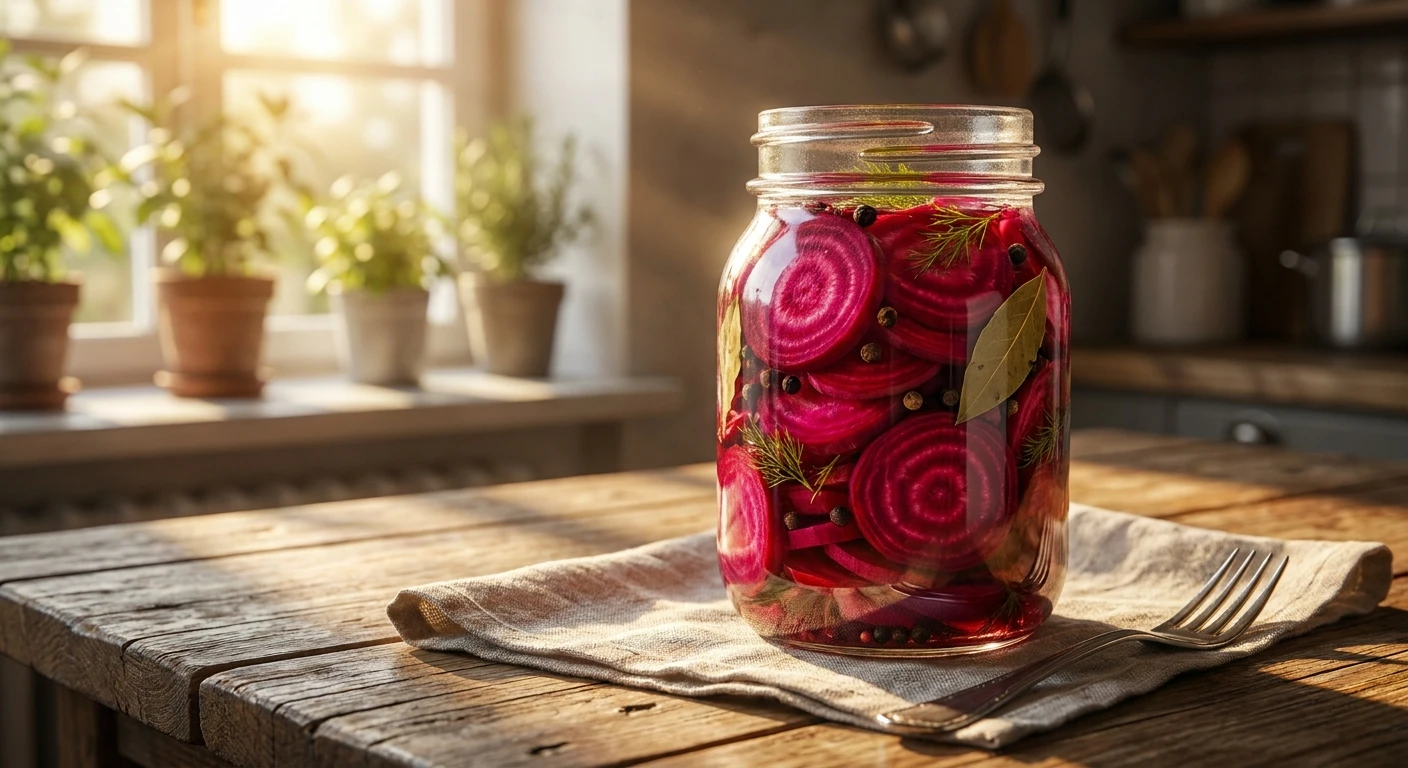
If you are curious about the best pickled beets benefits, you are definitely in the right place. I remember growing up in Kyiv, where every winter cellar was stacked high with massive glass jars of these glowing ruby roots. My babushka absolutely swore by them, not just for the sharp, sweet-and-sour punch they brought to our heavy family dinners, but because she genuinely believed they kept us completely healthy through the freezing, unforgiving months. Today, science is finally catching up to what Eastern European grandmothers have known for generations. Fermented and pickled foods are having a massive moment, and the humble beet is leading the charge on our plates.
This entire guide is going to walk you through exactly why adding these tangy, crunchy treats to your daily routine can dramatically support your gut flora, boost your cardiovascular stamina, and protect your heart over the long term. You will see how a simple, inexpensive jar of beets packs a powerful nutritional punch that easily rivals expensive, heavily marketed supplements. I am going to share the hard science, the fascinating history, and even a practical seven-day meal plan to seamlessly incorporate them into your busy life. Trust me, once you taste a properly spiced homemade batch, there is absolutely no going back to the bland, mushy store-bought stuff. We are officially in 2026, and our approach to natural wellness has never been more focused on whole, traditional foods. So grab a cup of hot tea, get comfortable, and let us talk about why your body absolutely craves this vibrant vegetable right now.
Read also: The best beet root powder For Your Daily Energy; Does Green Tea Make You Poop Fact or Fiction Guide.
The Core Value of Tangy Root Vegetables
The true magic of eating pickled vegetables lies in their incredible nutrient density, perfectly paired with the digestive advantages of the preservation process. You get the raw nutritional profile of the beet, enhanced by the acids and probiotics that make those nutrients much easier for your body to absorb. For example, athletes constantly use beet juice for stamina, but eating the pickled version gives you those same performance-boosting nitrates along with gut-friendly enzymes that prevent bloating. Another great example is immune support; the acetic acid from the vinegar or lactic acid from fermentation creates an environment in your gut where good bacteria thrive, actively fighting off seasonal bugs.
Here are the primary reasons you should stock up on them:
- Blood Pressure Management: The natural nitrates in beets convert to nitric oxide in your body, which helps relax and dilate blood vessels, leading to better circulation.
- Enhanced Exercise Performance: Increased oxygen delivery to your muscles means you can run longer, lift heavier, and recover faster after a grueling workout.
- Gut Microbiome Support: Unpasteurized pickled versions introduce massive amounts of beneficial bacteria to your digestive tract, soothing inflammation and aiding in the breakdown of heavy meals.
- Liver Detoxification: Betaine, a compound found abundantly in beets, actively helps your liver flush out toxins and process fats efficiently.
Let us compare the different ways you can consume this amazing root to understand the differences better:
| Beet Preparation Type | Probiotic Content | Digestibility and Prep Time |
|---|---|---|
| Raw Beets | Zero | Hard to digest, requires peeling and grating. Earthy flavor. |
| Canned Beets (Commercial) | Zero (Pasteurized) | Very soft, fully cooked, ready to eat, but often lacks enzymes. |
| Naturally Pickled Beets | Very High | Pre-digested by bacteria, crunchy, tangy, ready to eat instantly. |
The Deep Roots of Beet Preservation
Ancient Origins of Beet Preservation
The story of the beet goes back thousands of years, starting around the coastlines of the Mediterranean. Interestingly, ancient Greeks and Romans initially only ate the leafy green tops, completely ignoring the bulbous root. They used the roots strictly for medicinal purposes, treating everything from fevers to digestive issues. It was not until much later that people realized the sweet, earthy root could be boiled and consumed. However, because fresh vegetables rot quickly in warm climates, the Romans began experimenting with preserving the roots in wine and vinegar mixtures. This early form of pickling allowed armies to carry nutrient-dense foods on long campaigns, spreading the practice across Europe. The sweet profile of the root paired perfectly with the sharp bite of early vinegars.
The Evolution of Eastern European Pickling
As the beet made its way into Eastern Europe, it found its true spiritual home. In countries like Ukraine, Poland, and Russia, the harsh, endless winters meant that preserving the autumn harvest was a matter of sheer survival. Cellars were dug deep into the earth to store barrels of cabbage, cucumbers, and beets. Instead of just using vinegar, these cultures relied heavily on lacto-fermentation—using salt and water to allow naturally occurring bacteria to preserve the food. This created a sour, highly nutritious staple that formed the base of iconic dishes like cold summer borscht and rich winter stews. The pickled beet became a cultural icon, symbolizing resilience, hospitality, and resourcefulness. Every family guarded their unique spice blend of dill, garlic, cloves, and peppercorns.
Modern State of Fermented Foods in 2026
Looking around in 2026, the global food scene has completely embraced the wisdom of the past. We have moved past the era of ultra-processed diet foods and returned to biologically appropriate, traditional eating. Gourmet restaurants proudly display massive glass jars of brightly colored fermented vegetables on their counters. Dietitians are prescribing pickled beets not just as a fun side dish, but as a critical daily intervention for metabolic health. The modern consumer now understands that health starts in the gut, and the vibrant, ruby-red slices of tangy beets are recognized as one of the most delicious ways to maintain that internal ecosystem. Artisanal pickling companies are booming, blending ancient techniques with modern flavor profiles like ginger, turmeric, and jalapeño.
The Fascinating Science Behind the Crunch
Understanding Dietary Nitrates and Nitric Oxide
Let us get slightly technical but keep it extremely simple. Beets are famous for being packed with dietary nitrates. When you chew a pickled beet, the friendly bacteria living on your tongue immediately start converting these natural nitrates into nitrites. Once swallowed, your stomach acid and enzymes further convert them into nitric oxide. Nitric oxide is a signaling molecule that tells the smooth muscles around your blood vessels to relax. This process is called vasodilation. When your blood vessels open wider, blood flows much more freely. This means your heart does not have to work as hard to pump blood, effectively lowering your blood pressure. It also means that oxygen-rich blood reaches your muscles much faster during physical activity, which is exactly why so many professional runners and cyclists swear by beet products before a big race.
The Biochemistry of Lactic Acid Fermentation
If you choose lacto-fermented pickled beets (made with just salt and water rather than heated vinegar), you are getting a massive dose of probiotics. Lactic acid bacteria, primarily from the Lactobacillus family, naturally live on the skin of vegetables growing in the soil. When submerged in a salty brine, bad bacteria die off, but the Lactobacillus thrives. These bacteria consume the natural sugars present in the beets and convert them into lactic acid. This acid is what gives the beets their signature tangy, sour punch. But more importantly, this process acts as a form of pre-digestion. The bacteria break down tough plant cell walls, making the vitamins, minerals, and antioxidants (like betalains, which give beets their red color) instantly bioavailable to your body.
- Betalains: Powerful antioxidant pigments that scavenge free radicals and reduce oxidative stress throughout your entire body.
- Lactobacillus Plantarum: A specific strain of probiotic bacteria commonly found in fermented beets that is known to strengthen the intestinal barrier.
- Folate (Vitamin B9): Essential for DNA synthesis and cellular repair, highly preserved during the cold pickling process.
- Manganese: A crucial trace mineral required for bone formation and amino acid metabolism, readily available in the root.
- Acetic Acid: If pickled in vinegar, this compound is proven to stabilize blood sugar spikes after eating a heavy, carbohydrate-rich meal.
Your Simple 7-Day Beet Integration Plan
Day 1: The Classic Salad Introduction
Start your week simple. Toss a handful of chopped pickled beets into your regular lunchtime green salad. The tangy juice acts as a natural dressing, meaning you can skip the heavy oils. Pair it with goat cheese, walnuts, and some fresh arugula. The acidity of the beets perfectly cuts through the creaminess of the cheese, making your standard lunch feel like a gourmet restaurant appetizer.
Day 2: Energizing Pre-Workout Snack
About an hour before you hit the gym or go for a run, eat three to four thick slices of pickled beets. The easily digestible sugars provide a quick energy source, while the nitrates will start working immediately to open up your blood vessels. You will likely notice a significant reduction in fatigue and a much better ‘pump’ during your exercise routine.
Day 3: The Tangy Sandwich Upgrade
Ditch the standard sad pickles on your turkey or chicken sandwich. Layer thinly sliced pickled beets instead. They provide an incredible crunch, a beautiful vibrant color, and a complex sweet-and-sour flavor profile that elevates standard deli meats. Use a hearty sourdough bread to double down on the fermented goodness.
Day 4: Blended Beet Hummus
Take your snacking to the next level. Throw half a cup of pickled beets into a food processor with a can of chickpeas, tahini, garlic, lemon juice, and olive oil. Blend until perfectly smooth. You will get the most stunning, bright pink hummus that is absolutely packed with liver-supporting betaine. Serve it with crisp carrot sticks and cucumber slices.
Day 5: Savory Breakfast Bowl
Who says beets are only for dinner? Add diced pickled beets to a savory breakfast bowl containing quinoa, a soft-boiled egg, sliced avocado, and a sprinkle of hemp seeds. The sharp vinegar note acts like a wake-up call for your taste buds and gets your digestive juices flowing perfectly for the rest of the day.
Day 6: The Quick Gut-Healing Tonic
Do not you dare throw away the juice in the jar! That brilliantly red liquid is pure probiotic and mineral gold. Pour a small shot glass of the brine and drink it straight in the morning, or mix it with some sparkling water and ice for a refreshing, hydrating afternoon tonic that actively settles a noisy stomach.
Day 7: The Grand Family Feast
End the week by making beets the star of a traditional dinner. Serve them as a robust side dish alongside roasted pork, grilled chicken, or a hearty lentil loaf. Chop them up with some fresh dill and raw onions. The acidity will help your stomach break down the heavy proteins and fats, preventing that sluggish, overly full feeling after a big family meal.
Separating Myths from Reality
Myth: Pickled beets are completely loaded with unhealthy processed sugars.
Reality: While some commercial brands do add cheap high-fructose corn syrup to speed up production, traditional and artisanal pickled beets rely solely on the vegetable’s naturally occurring sugars, which are actually quite moderate and perfectly balanced by the fiber content.
Myth: The harsh pickling process destroys all the vitamins in the vegetable.
Reality: It is actually the exact opposite! Cold fermentation or raw vinegar pickling preserves heat-sensitive vitamins like Vitamin C and folate, while the acidic environment actually makes the minerals much easier for your digestive tract to absorb.
Myth: Vinegar pickling and natural lacto-fermentation are exactly the same thing.
Reality: They are very different processes. Vinegar pickling uses an already acidic liquid to preserve the food quickly. Lacto-fermentation uses salt and time to cultivate wild bacteria that create their own lactic acid. Both are incredibly healthy, but only the fermented version offers live probiotics.
Frequently Asked Questions
Are pickled beets good for your liver?
Yes, absolutely. They contain high levels of betaine, an amino acid that actively helps prevent the accumulation of fat in the liver and supports cellular detoxification.
How long do they last in the fridge?
A properly sealed jar of commercially pickled beets can last in the refrigerator for up to three months after opening, while homemade fermented batches can easily last up to six months.
Can I drink the beet juice directly from the jar?
You definitely can. The brine is incredibly rich in electrolytes, beneficial acids, and trace minerals. It is highly recommended as a digestive tonic before heavy meals.
Do pickled beets naturally stain your teeth?
While they have a very strong pigment, they generally will not cause permanent staining on your teeth if you practice basic, normal dental hygiene like brushing and drinking water.
Are they completely safe to eat during pregnancy?
Yes, they are generally very safe and highly beneficial due to their natural folate content, which is crucial for fetal development, though you should always consult your personal doctor.
What kind of vinegar is best for making them at home?
Apple cider vinegar is the absolute best choice because it provides its own host of health benefits, a milder acidity, and perfectly complements the natural sweetness of the root.
Can eating them turn your urine or stool pink?
Yes! This is a completely harmless, temporary condition known as beeturia. It simply means your body is passing the vibrant betalain pigments safely through your system.
In conclusion, keeping a jar of these bright red beauties in your fridge is one of the smartest, cheapest, and most delicious dietary choices you can make. From protecting your cardiovascular system to completely revitalizing your gut microbiome, the advantages are simply too good to ignore. Grab a jar today, try out the seven-day plan, and let me know exactly how much better you feel!

Leave a Reply