
The Ultimate Breakdown: famotidine vs omeprazole
Look, if you are waking up with that fiery chest pain and wondering about famotidine vs omeprazole, you are definitely not alone. I know exactly how miserable it feels when your stomach decides to wage war against your esophagus. We need to figure out exactly which acid reducer fits your specific stomach chaos so you can finally eat a slice of pizza or drink a cup of coffee in absolute peace.
Let me tell you a quick story. Last winter, I was visiting my family back in Kyiv. My uncle Olexander cooked an absolutely massive traditional spread—rich red borscht with heavy garlic pampushky, heavily spiced kovbasa, and honestly way too much horilka. It was amazing at the time. But by 2 AM, my stomach was acting like a volcano. The acid was creeping up my throat, and I was desperate for anything that would stop the burning. I raided his medicine cabinet and found both of these medications sitting right next to each other on the shelf. It hit me right then that most of us just blindly grab whatever box looks familiar without actually knowing how they work or which one we truly need for the moment.
Read also: Exactly why do i cough after i eat and How to Fix It; Why Does Diarrhea Burn: Expert Causes & Relief.
That late-night panic is exactly why we need to sort this out. Your digestive system is incredibly complex, and throwing the wrong pill at it might just delay your relief. So, let us get straight into the details and figure out which one is your ultimate gut savior.
Breaking Down the Core Differences
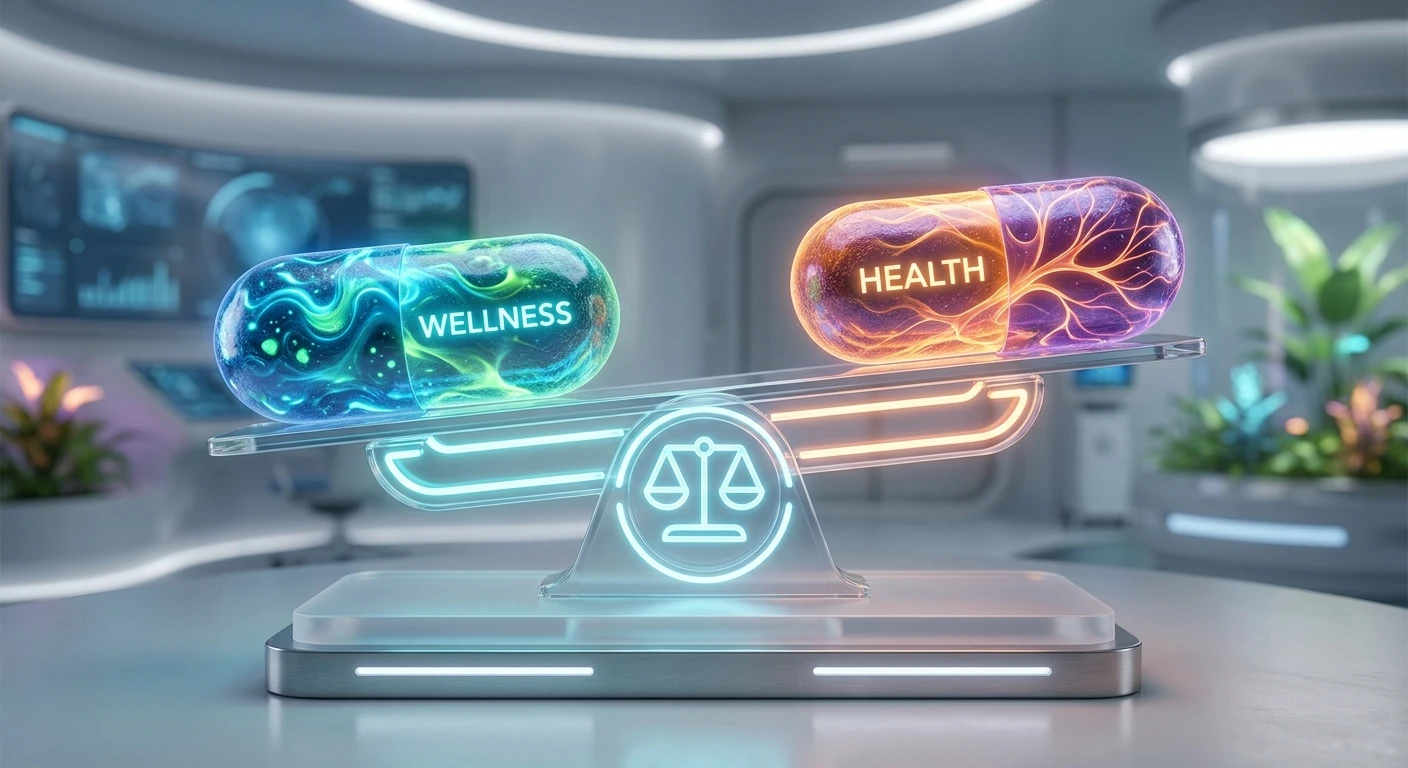
To really grasp how these two popular medications operate, you need to understand that they tackle the same problem but use completely different biological strategies. Your stomach produces acid to break down food, which is great. But when that acid splashes upward, you get that burning sensation known as heartburn or acid reflux. The battle of the century comes down to speed versus longevity.
Here is a straightforward comparison to show you exactly how they stack up against each other:
| Feature | Famotidine | Omeprazole |
|---|---|---|
| Drug Class | Histamine-2 (H2) Blocker | Proton Pump Inhibitor (PPI) |
| Speed of Relief | Fast (15 to 30 minutes) | Slow (1 to 4 days for full effect) |
| Duration of Action | Short-term (10 to 12 hours) | Long-term (Up to 24 hours or more) |
| Best Used For | Occasional, sudden heartburn | Frequent, chronic heartburn (2+ days a week) |
Understanding this value proposition is massive for your comfort. Let me give you a couple of real-life examples so you can picture exactly when to use which medication.
Example 1: The Late-Night Regret. You just ate a giant plate of spicy tacos at 9 PM. By 10 PM, your chest is on fire. You need relief immediately so you can go to sleep. In this scenario, famotidine is your best friend because it kicks in within minutes to put out the sudden fire.
Example 2: The Chronic Burn. You wake up with acid reflux every single morning, regardless of whether you ate a salad or a burger the night before. Your doctor tells you your esophagus is getting irritated. This is where omeprazole shines. You take it daily to shut down acid production over the long haul, giving your throat time to heal.
If you are standing in the pharmacy aisle right now trying to make a choice, follow these three steps:
- Assess your frequency: Are you hurting right now from a bad meal, or does this happen to you almost every single day?
- Determine your patience level: Do you need the pain gone in twenty minutes, or are you willing to wait a few days for a long-lasting baseline fix?
- Check your diet plans: If you know you are going to a spicy food festival tomorrow, taking an H2 blocker right beforehand is a solid preventative strike.
The Origins of Acid Reducers
Back in the day, people literally drank chalky milk mixtures or chewed on alkaline clay just to stop their stomachs from hurting. The medical world did not have a true pharmacological solution for acid overproduction until the late 20th century. The sheer desperation for a cure drove massive scientific research.
Evolution Through the Decades
In the 1970s, scientists hit a massive breakthrough with the invention of the first H2 blockers. Cimetidine was the pioneer, but it had a lot of drug interactions. Fast forward a bit, and researchers developed famotidine, which was much cleaner, safer, and faster. It revolutionized how people treated occasional indigestion. But science did not stop there. By the late 1980s, the first Proton Pump Inhibitor was introduced. This was a game-changer for people with severe ulcers because it did not just block a signal; it shut down the acid factories entirely.
The Modern State of Heartburn Relief
Now that we are navigating the highly advanced health landscape of 2026, we have a deep understanding of our gut microbiome. Even with all the probiotics and personalized diets available today, these two classic medications remain the absolute gold standard. They have moved from being strict prescription-only medications to being readily available over-the-counter options in nearly every grocery store on the planet.
The Biological Mechanism of Famotidine
Let us talk science for a second, but keep it incredibly simple. Your stomach has parietal cells, which are basically little pumps that squirt out acid to digest your food. These cells are activated by a chemical called histamine. Famotidine is an H2 antagonist. Imagine your stomach acid factory has a giant start button, and histamine is the finger that presses it. Famotidine basically puts a protective shield over the button. The finger keeps trying to press it, but it cannot. Because the signal is blocked, acid production drops rapidly, giving you incredibly fast relief.
How Omeprazole Shuts Down the Pumps
Omeprazole takes a completely different, much heavier approach. Instead of blocking the signal that tells the cell to make acid, it goes directly to the pump itself. It targets the H+/K+ ATPase enzyme—the actual physical machinery that pushes acid into your stomach cavity. By binding to these pumps, omeprazole permanently disables them. Your body has to literally build new pumps to start making a lot of acid again, which is why the effects last so long.
Here are some fascinating biological facts about how these drugs interact with your body:
- Omeprazole is absorbed in the small intestine, not the stomach, which is why the pills have a special coating to survive the stomach acid first.
- Famotidine gets processed largely by your kidneys, making it exit your system relatively quickly.
- Long-term use of PPIs can slightly lower your body’s ability to absorb vitamins like B12 and minerals like magnesium, because your stomach actually needs some acid to break those nutrients out of your food.
- H2 blockers can be taken at night to specifically stop the “nocturnal acid surge” that happens while you are sleeping.
Day 1: Assessing the Fire
If you want to get your digestive health under control, you need a solid strategy. On day one, do absolutely nothing but observe. Eat your normal diet and take notes. Is the burning happening right after lunch? Is it waking you up at 3 AM? You need to know your enemy before you pick your weapon.
Day 2: The Fast-Acting Intervention
If you noticed that your pain is tied directly to specific heavy meals, today is the day you try the fast route. Keep a famotidine tablet handy. About ten minutes before you eat that giant plate of pasta, take the pill. Monitor how your chest feels afterward. You will likely notice a massive reduction in the usual post-meal discomfort.
Day 3: Evaluating the Rebound
Pay close attention to how you feel the morning after. Did the heartburn come roaring back once the short-term medication wore off? If the burning returns fiercely the next day without any food triggers, you might be dealing with a deeper, more chronic issue rather than just a reaction to a spicy dinner.
Day 4: Committing to the Long Game
If the short-term fix is not cutting it and you are suffering multiple days a week, it is time to pivot. Start taking omeprazole first thing in the morning, about thirty minutes before you eat breakfast. Remember, it will not work instantly. You are laying the foundation for long-term healing today.
Day 5: Dietary Adjustments Alongside Medication
Pills are not magic wands. By day five, you need to support the medication by cutting out the obvious offenders. Dial back the caffeine, tomatoes, chocolate, and peppermint. Giving your esophagus a break from both internal stomach acid and external acidic foods accelerates the healing process tremendously.
Day 6: Monitoring Nighttime Symptoms
As the PPI builds up in your system, your nighttime symptoms should start vanishing. Pro-tip: elevate the head of your bed a few inches. Gravity works incredibly well alongside modern medicine to keep stomach contents exactly where they belong while you sleep.
Day 7: Establishing a Long-Term Strategy
By the end of the week, you should feel like a new person. Now you have a choice. If you used the long-term PPI, you usually take it for a 14-day course. If you relied on the H2 blocker, you keep it strictly for emergencies. Always chat with your doctor to finalize your maintenance plan.
Separating Fact from Fiction
People spread a lot of wild rumors about heartburn medicine. Let us clear the air right now.
Myth: You can take both medications at the exact same time for double the stopping power.
Reality: Taking both simultaneously without a doctor’s strict guidance is a bad idea. Lowering your stomach acid to absolute zero messes up your digestion entirely. Sometimes a doctor will prescribe a PPI in the morning and an H2 blocker at night, but never guess this on your own.
Myth: Omeprazole works instantly for an unexpected heartburn attack.
Reality: Not even close. It takes days to fully shut down the proton pumps. If you want instant relief, you are grabbing the wrong box.
Myth: These medications digest your food for you.
Reality: They actually do the opposite. By lowering acid, they slightly slow down the breakdown of complex proteins in your stomach.
Can I drink alcohol with these?
Technically, there are no lethal interactions, but alcohol heavily relaxes the esophageal sphincter and causes massive acid production. Drinking while trying to cure reflux is like throwing gasoline on a fire.
Is famotidine safe for pregnancy?
Many doctors recommend it as a safer first-line option for pregnancy-induced heartburn, but you must always ask your specific OBGYN before taking anything while pregnant.
Does omeprazole cause weight gain?
There is no direct chemical link between these pills and gaining fat. However, when your stomach stops hurting, you might naturally start eating more food, which leads to weight changes.
What happens if I miss a dose?
If you miss your daily PPI, take it as soon as you remember, unless it is almost time for the next one. Do not double up. Your stomach might produce a little extra acid that day.
Can I take these on an empty stomach?
You absolutely should take omeprazole on an empty stomach, usually 30 minutes before breakfast. The H2 blocker can be taken with or without food, giving you much more flexibility.
Do they expire quickly?
Like most dry pills, they have a solid shelf life of a couple of years. If they are stored in a cool, dry place away from moisture, they will hold their potency until the printed expiration date.
Will they affect my other medications?
Yes. Because they change the pH of your stomach, they can alter how your body absorbs other critical drugs, especially certain blood thinners and antidepressants. Always run your full list by a pharmacist.
Final Thoughts on Your Gut Health
Choosing between these two powerhouses does not have to be a guessing game anymore. If you need a quick rescue from a bad dietary decision, famotidine is the undeniable champion. But if your throat is constantly irritated and you need systemic, long-term control, omeprazole is going to change your life for the better. Listen to your body, track your symptoms, and do not be afraid to switch tactics if one is not working. Leave a comment below with which one works best for you, and share this guide with that one friend who always complains after eating spicy wings!

Leave a Reply