

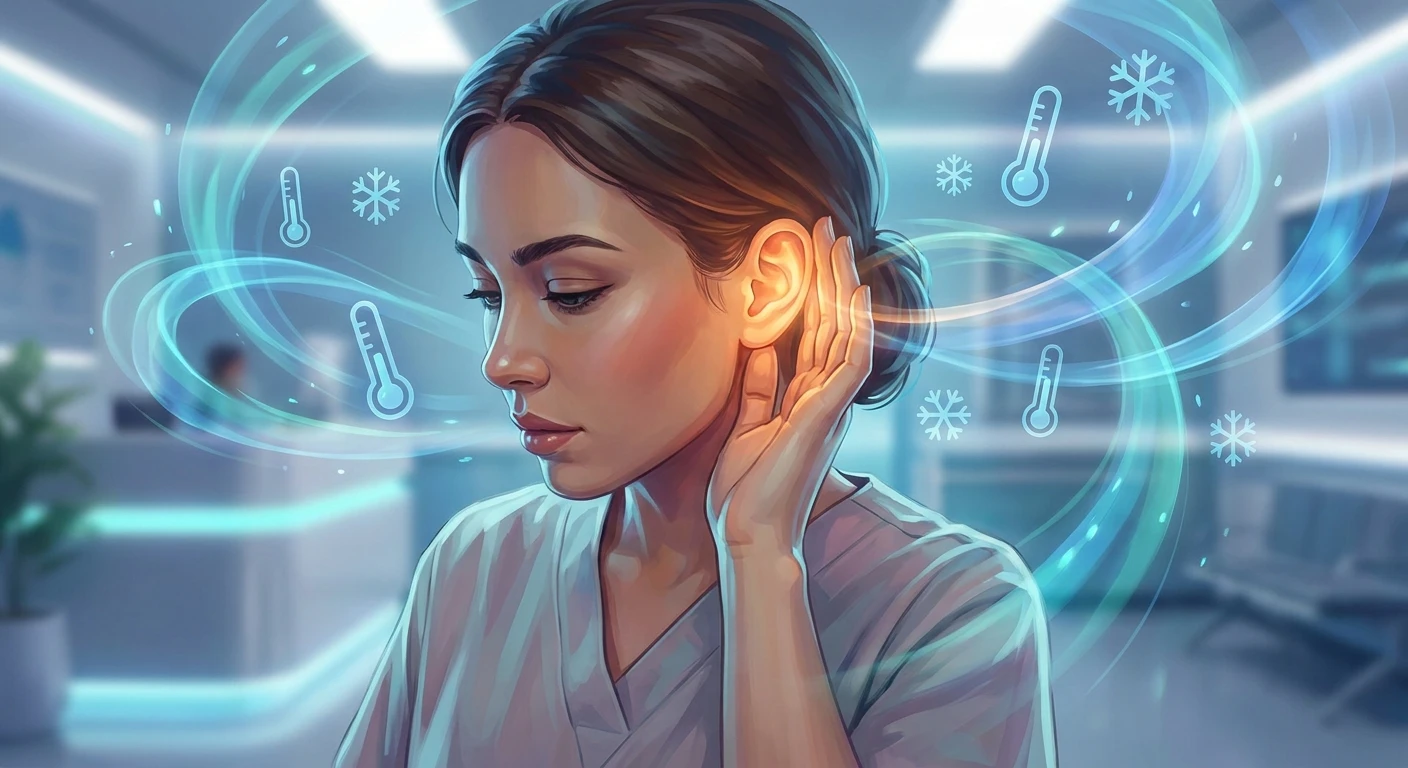
Why Are My Ears Hot: The Complete Guide to Burning Ears
So you are just sitting there minding your own business, relaxing after a long day, and suddenly you find yourself asking, why are my ears hot right now? It is a genuinely strange sensation. Out of nowhere, your ears get super red, they start to throb lightly, and they feel like they are radiating enough heat to warm up a small room. I completely get how annoying and distracting this can be, especially if you are in the middle of a meeting or hanging out with friends. You feel like everyone is staring at your glowing red ears.
Growing up in Kyiv, I remember sitting by the Dnipro river with my grandmother on cool autumn afternoons. Without fail, whenever the wind picked up and my ears turned bright red and hot, she would gently tug my earlobe and laugh, saying that someone in the neighborhood was gossiping about me. It is a famous superstition there—and in many other cultures too! We would drink hot tea and try to guess exactly who was talking behind my back. While those memories are incredibly sweet and nostalgic, the reality behind this fiery sensation is driven by straightforward biology, not neighborhood gossip.
The thesis here is simple: your burning, red ears are usually a harmless vascular response triggered by sudden shifts in emotions, extreme temperature changes, or mild skin conditions. Knowing the precise underlying cause is the fastest way to cool them down instantly and stop the discomfort. I am going to walk you through exactly what is happening in your body and how you can fix it right away.
Let’s talk about the mechanics behind this fiery phenomenon. Your ears are absolutely packed with tiny blood vessels. When something triggers these vessels to expand—a process known scientifically as vasodilation—blood rushes to the surface of the skin. Because the skin on your ears is remarkably thin, that massive rush of blood immediately creates a noticeable red color and a distinct sensation of heat. It is basically the exact same physical mechanism as blushing on your cheeks, just localized to the cartilage on the side of your head. This can happen due to a wide variety of reasons, and identifying your specific trigger is half the battle.
Here is a breakdown of the most common triggers and how to handle them quickly:
| Common Trigger | Physical Symptoms | Quick Fix |
|---|---|---|
| Emotional Stress or Anxiety | Sudden flushing, rapid heartbeat, racing thoughts | Deep breathing exercises, stepping outside for fresh air |
| Extreme Temperature Changes | Throbbing heat after coming indoors from the cold | Letting ears warm up gradually, avoiding direct hot air |
| Mild Sunburn or Windburn | Tight skin, persistent heat, sensitivity to touch | Applying aloe vera gel, using a cool damp compress |
To really get a handle on managing this heat, you need a solid game plan. Here is a practical, value-driven approach to keeping your ears cool and comfortable. For example, if you know anxiety is your trigger, a preemptive cooling towel on the back of your neck can stop the flush before it starts. If winter weather is the culprit, wearing thermal earmuffs prevents the severe temperature shock when you walk back indoors.
Follow these core steps to manage the heat:
- Regulate your immediate environment: Step away from heavy heat sources like space heaters, hot stoves, or direct sunlight. Find a spot with good air circulation.
- Apply a soothing cold compress: Grab a clean cloth, run it under cool water, wring it out, and gently press it against your ears for about five minutes. Do not use direct ice, as that can shock the thin skin.
- Practice tactical breathing: If you feel a wave of embarrassment or anxiety causing the flush, close your eyes and inhale deeply for four seconds, hold for four seconds, and exhale for four seconds to calm your nervous system.
- Hydrate immediately: Drinking a large glass of chilled water helps regulate your overall internal body temperature and can quickly reduce sudden vascular flushing.
Origins of Ear Flushing Superstitions
People have been fascinated by the phenomenon of hot ears for thousands of years. Long before we had any real grasp of human biology, our ancestors tried to make sense of why a specific body part would suddenly glow red and radiate heat without any physical touch. Ancient Romans, including philosophers like Pliny the Elder, genuinely believed that burning ears were a supernatural signal. They documented the widespread belief that a ringing or burning sensation in the ear meant you were the active subject of someone else’s conversation. This bizarre superstition somehow survived the collapse of empires and traveled across continents, eventually becoming the exact same old wives’ tale my grandmother shared with me in Ukraine.
Evolution of Medical Understanding
As history marched forward, medical professionals began to move away from myths and look closer at the actual human body. During the Renaissance, early anatomists started mapping the circulatory system. They finally noticed that the ears were heavily networked with a complex web of capillaries. By the 19th and 20th centuries, doctors understood that the sympathetic nervous system controlled these tiny blood vessels. They realized that adrenaline spikes from stress, anger, or embarrassment forced these vessels to dilate, allowing excess blood to pool in the ear tissue. This shifted the narrative entirely from magic to cardiovascular mechanics.
The Modern State of Ear Health Diagnosis
Now that we are in 2026, medical science has given us much better tools to understand these tiny vascular shifts. We now have advanced thermal imaging and neuro-vascular mapping that can pinpoint exactly how blood flows through the face and ears in real-time. Modern dermatologists and neurologists can easily differentiate between a harmless emotional flush, a mild allergic reaction to a new shampoo, or rare neurological conditions. We have completely demystified the hot ear phenomenon, replacing guesswork with hard scientific facts and targeted treatments.
The Science of Vasodilation
To really grasp what is happening, we need to look at the science of vasodilation. Your circulatory system is highly responsive to both internal and external stimuli. The blood vessels in your ears are lined with smooth muscle cells that react to signals from your autonomic nervous system. When you experience a sudden temperature drop, your body naturally restricts blood flow to your extremities to keep your core warm. When you step back into a heated room, your body rapidly overcompensates. Those restricted vessels suddenly snap wide open, flooding the tissue with warm, oxygen-rich blood. Because the skin over your ear cartilage has very little insulating fat, you feel that rush of warm blood immediately. This intense localized heat is called erythema.
Red Ear Syndrome and Rare Conditions
While most cases of burning ears are totally benign, there is a fascinating clinical condition known as Red Ear Syndrome (RES). Originally described in the mid-1990s, RES is characterized by daily, intense episodes of burning and redness in one or both ears. These episodes can last for hours and are often triggered by completely mundane activities like chewing your food, brushing your hair, or slightly moving your neck.
- Migraine Connection: Clinical studies show a strong link between Red Ear Syndrome and chronic migraines, suggesting a shared neurological pathway.
- Cervical Spine Issues: Upper neck joint dysfunctions can irritate the nerves that supply the ear, leading to sudden vasodilation.
- TMJ Disorders: Temporomandibular joint issues can cause referred pain and vascular flushing in the adjacent ear tissue.
- Trigeminal Neuralgia: Irritation of the major sensory nerve in the face can misfire, causing intense heat and redness localized to the earlobes.
Day 1: Identify Your Primary Triggers
The first step in fixing your hot ears is becoming a detective in your own life. Today, carry a small notebook or use your phone to track exactly when your ears start burning. Are you drinking hot coffee? Are you stepping out of a freezing office into the summer heat? Did someone just put you on the spot in a meeting? Writing down the exact moment the heat starts will help you identify the primary culprit.
Day 2: Optimize Your Skincare Routine
The skin on your ears is incredibly delicate, yet we almost always forget to take care of it. Today, evaluate the products you use near your head. Sulfates in harsh shampoos, strong artificial fragrances in laundry detergents, or even heavy chemical sunscreens can cause mild contact dermatitis. Switch to a hypoallergenic, fragrance-free cleanser for a few days to see if the vascular flushing subsides. Your skin might just be reacting to a harsh chemical.
Day 3: Manage Emotional Stressors
If your ears burn primarily when you are anxious or embarrassed, today is all about the nervous system. Adrenaline is a powerful hormone that causes instant vasodilation. Practice grounding techniques. When you feel the flush coming on, find five things you can see, four things you can touch, three things you can hear, two things you can smell, and one thing you can taste. This mental reset stops the adrenaline spike dead in its tracks.
Day 4: Adjust Your Environmental Temperature
Temperature regulation is critical. If you live in a climate with extreme weather, you need to transition your body temperature slowly. Today, make sure you are not blasting the AC directly on your face in the car, and avoid sitting right next to the radiator at work. Wear a light hat or earmuffs when venturing into the cold, allowing your body to maintain a steady temperature rather than forcing it into vascular shock.
Day 5: Track Your Dietary Habits
What you eat can drastically affect your blood vessels. Spicy foods loaded with capsaicin, massive amounts of caffeine, and alcohol (especially sulfites in wine) are notorious for causing facial and ear flushing. For the next 24 hours, eliminate heavy spices and excessive coffee. See if your ears stay cooler. Hydrate aggressively with plain water to keep your internal cooling system running smoothly.
Day 6: Implement Quick Cooling Techniques
Today is about building an emergency toolkit. When the burning strikes, you need immediate relief. Keep a small bottle of soothing aloe vera gel in your fridge. Applying a tiny dab of chilled aloe to the back of your hot ear provides instant, intense relief without the harsh shock of an ice cube. You can also splash cool water on your wrists, which helps lower your overall body temperature rapidly.
Day 7: Evaluate and Consult a Professional
By the end of this week, you should have a solid understanding of your triggers and how to manage them. If you have tried all these steps and your ears are still burning fiercely every single day, or if the heat is accompanied by severe pain, ringing (tinnitus), or swelling, it is time to take the next step. Book a quick consultation with a dermatologist or a general practitioner to rule out obscure allergies, mild infections, or Red Ear Syndrome.
Myth: Someone is talking about you.
Reality: As fun as the old wives’ tales are, human biology does not have a magical radar for gossip. Your burning ears are purely a physical reaction caused by blood rushing to the tiny vessels under your skin due to temperature, stress, or minor irritation. No one is whispering about you behind your back!
Myth: Hot ears mean you have a systemic fever.
Reality: Just because your ears feel like they are on fire does not mean your core body temperature is elevated. Localized heat in the ear cartilage is almost always a localized vascular response. If you feel sick overall, take your temperature with a thermometer, but do not rely on your hot ears as an indicator of a fever.
Myth: You cannot prevent red ears.
Reality: While it is a natural reflex, you can absolutely prevent it by managing your known triggers. By avoiding extreme temperature shocks, managing anxiety spikes, and protecting your skin from harsh chemicals, you can drastically reduce the frequency of the flushing.
Myth: Burning ears are always an allergic reaction.
Reality: While contact dermatitis can cause heat, the vast majority of cases are simply emotional flushes or temperature adjustments. Allergies usually come with severe itching, flaking, or hives, not just temporary heat.
Are hot ears dangerous?
In the vast majority of cases, absolutely not. They are a perfectly normal, benign physiological response to standard environmental or emotional triggers. They are annoying, sure, but they are not a threat to your health.
Can anxiety cause hot ears?
Yes, completely. When you experience a surge of anxiety or embarrassment, your sympathetic nervous system dumps adrenaline into your bloodstream, causing your blood vessels to dilate rapidly. This is a classic “fight or flight” response that results in flushed skin.
How long does the burning last?
A typical episode lasts anywhere from ten minutes to an hour. Once the initial trigger—like a cold wind or a stressful moment—passes, your blood vessels will naturally constrict again, and the heat will completely fade.
Is Red Ear Syndrome common?
No, Red Ear Syndrome is actually considered a very rare medical condition. If your ears just get hot occasionally, you almost certainly do not have RES. It is usually diagnosed only when the burning is chronic, intensely painful, and happens daily.
Should I use ice packs?
I highly advise against using direct ice packs. The skin on your ears is incredibly thin, and extreme cold can damage the tissue or cause ice burns. Stick to a cool, damp cloth or a refrigerated gel pack wrapped in a soft towel.
Does spicy food trigger this?
Yes, spicy foods contain a compound called capsaicin, which tricks your brain into thinking your body is overheating. Your body responds by dilating blood vessels in your face and ears to release that phantom heat.
Can high blood pressure cause red ears?
Typically, high blood pressure itself does not cause facial or ear flushing, despite the common myth. However, the exact same stress or anxiety that temporarily spikes your blood pressure can simultaneously cause your ears to turn red.
How do hormones affect ear heat?
Hormonal shifts, particularly those experienced during menopause (like hot flashes) or during certain phases of the menstrual cycle, can definitely cause sudden vascular dilation, leading to warm, flushed ears.
Ultimately, having hot ears is just one of the many quirky ways our bodies react to the world around us. Whether it is a chilly breeze, a stressful work meeting, or a spicy plate of food, your cardiovascular system is just doing its job to regulate your state. By understanding your personal triggers and keeping a few cool-down tricks up your sleeve, you can easily take control of the heat. Do not let burning ears ruin your focus! If you found these tips helpful, make sure to share this guide with a friend who always complains about their glowing red ears, and start practicing your new cooling techniques today!

Leave a Reply