

Living with Centrilobular Emphysema: What You Need to Know
Hey there. If you or someone you deeply care about just heard the diagnosis of centrilobular emphysema, your mind is probably racing a mile a minute. I completely get it. Back in Kyiv, my grandfather used to spend hours on his balcony overlooking the cold waters of the Dnipro River, smoking those incredibly strong, unfiltered cigarettes. He coughed every single morning and laughed it off for years as just a “smoker’s hack” until the breathlessness finally caught up with him. He had absolutely no idea what was physically happening inside his chest.
The honest truth is, this specific respiratory condition directly attacks the upper parts of your lungs, slowly destroying the tiny air sacs we rely on to push life-saving oxygen into our blood. It sounds terrifying on paper. But here is the genuine good news: getting an accurate diagnosis is the actual starting line for feeling better. Once you know exactly what is going wrong mechanically in your chest, you can actively fight back. We are going to walk through exactly how this disease operates, why it targeted your upper lung lobes in the first place, and exactly what actionable steps you can take starting right now. I promise to keep the medical jargon out of the way. Just straight talk from a friend who knows how scary that wheezing sound can be in the middle of the night.
The Core of the Problem: How It Changes Your Lungs
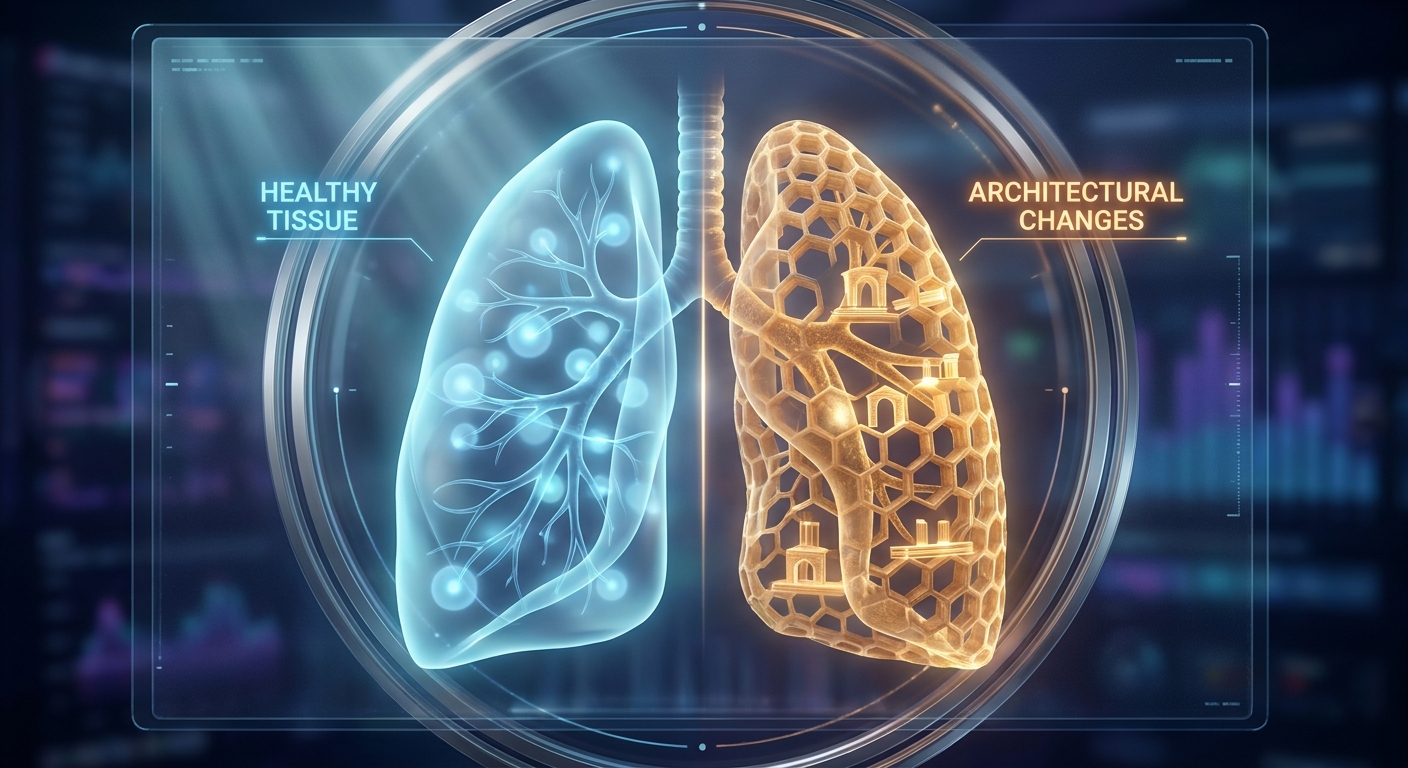
Listen, to really grasp what is happening, you have to visualize the anatomy of your lungs. Think of them like two upside-down trees sitting inside your ribcage. The main trunk is your windpipe, and it branches out into smaller and smaller twigs. At the very end of those tiny twigs are microscopic balloons called alveoli. With this specific lung condition, the toxic damage starts right in the center of those lung units, completely destroying the respiratory bronchioles before slowly moving outward.
Let’s look at how it compares to other types of structural lung damage to give you some context:
| Emphysema Type | Primary Location Affected | Main Medical Cause |
|---|---|---|
| Centrilobular | Upper lobes and center of the lobules | Heavy smoking, severe coal dust exposure |
| Panlobular | Lower lobes, affecting the entire lobule | Alpha-1 antitrypsin genetic deficiency |
| Paraseptal | Outer edges of the lungs (pleura) | Spontaneous pneumothorax risk factors |
Spotting this tissue damage early gives you a massive, undeniable advantage. Here is the real value of catching it early before things escalate. First, dropping the cigarettes immediately halts the rapid, aggressive breakdown of your lung tissue. It will not magically fix what is already broken, but it builds a solid defensive wall against future attacks. Second, starting on prescribed dual-action bronchodilators right away can literally open up your restricted, tight airways, giving you almost instant, life-changing relief.
You absolutely need to watch out for the big red flags. If you notice these specific things happening to your body, do not ignore them:
- A persistent, hacking morning cough that frequently produces thick clear or yellow mucus.
- Feeling completely winded and panicked just walking up a single flight of stairs or carrying groceries.
- A tight, heavy, squeezing sensation in the center of your chest, especially when you are trying to force air out.
- Frequent winter chest infections that linger for weeks instead of days.
Origins of the Disease
Doctors did not just invent this complicated term yesterday to scare people. Back in the early days of modern respiratory medicine, pathologists performing physical autopsies started noticing something incredibly strange. They saw lungs that looked massively overinflated, specifically trapped in the upper sections, and completely covered in black soot. By the mid-20th century, the medical community finally drew a thick, bold, undeniable line between chain-smoking culture and the direct destruction of the central lobules. It was a harsh wake-up call for an entire society that practically lived with a lit cigarette in hand, ignorant of the physical toll.
The Evolution of Treatment
For decades, the only advice given to struggling patients was notoriously grim: go home, get some rest, and prepare to drag a heavy metal oxygen tank around the house. There were no smart inhalers, no targeted biologics, and certainly no specialized pulmonary rehab clinics. Doctors basically just treated the symptoms when they got severe enough to land someone coughing in the emergency room. But slowly, medical science shifted gears. We started seeing the introduction of inhaled corticosteroids to dramatically calm airway inflammation and long-acting bronchodilators that made taking a breath feel less like sucking thick mud through a tiny plastic straw.
Modern State of Care
Now that we are deep into 2026, the way we handle chronic lung conditions is honestly mind-blowing. We are no longer just sitting back and reacting to massive flare-ups. Pulmonologists now routinely use ultra-high-resolution CT scans seamlessly combined with AI to map out exactly which microscopic upper lobes are struggling the most. We have incredibly smart Bluetooth inhalers that perfectly track your daily dosage, analyze your breathing strength, and send the critical data straight to your smartphone. There are even highly specialized endobronchial valves that skilled doctors can carefully place inside your lungs to permanently shut off the dead zones, automatically forcing all your inhaled air into the remaining healthy tissue. The future of breathing easy is already sitting right here in front of us.
The Respiratory Bronchioles Explained
Okay, let’s get a little bit nerdy for a brief second, but I promise to keep it grounded. When you take a breath in, air travels quickly down your throat and directly enters the respiratory bronchioles. Think of these as the main paved highways leading into the tiny air sac neighborhoods where oxygen enters your blood. In this disease, the toxic chemical particles from smoke settle heavily right at the entrance of these neighborhoods. Your own immune system panics and tries to fight off the foreign toxins by suddenly releasing defensive enzymes. The major problem? Those enzymes are overly aggressive, and they accidentally end up chewing right through your own healthy, elastic lung tissue, making those highways completely collapse.
Why the Upper Lobes?
You might logically wonder why this disease so aggressively targets the very top half of your lungs while leaving the bottom somewhat intact. It all comes down to basic physics and internal anatomy. The upper lobes naturally have a much higher ratio of air ventilation compared to their actual blood flow. When you continuously inhale hot cigarette smoke or harsh industrial dust, those nasty, lightweight particles naturally drift upward like chimney smoke and permanently get stuck there.
Here are some hard scientific facts about your chest that you really need to know:
- The destruction of connective tissue means you totally lose your lungs’ natural “elastic recoil,” making it physically exhausting to exhale fully.
- Stale, toxic air gets permanently trapped inside your chest, creating giant empty pockets called bullae that do absolutely nothing for oxygen exchange.
- Unlike severe asthma, which is just reversible airway twitching and spasming, this condition involves permanent physical architectural damage to the lung structure.
- Aggressive inflammatory cells like macrophages and neutrophils are the actual biological culprits systematically breaking down the vital elastin in your lungs.
Your Daily Survival and Thriving Menu
Listen closely, getting a diagnosis is just raw data. What you choose to actively do with that data completely changes the trajectory of your life. Sitting around and worrying will not improve your oxygen saturation. Here is a solid, highly practical 7-day plan designed to help you take back control of your breathing and your confidence.
Day 1: The Baseline Assessment
Grab a notebook or a notes app on your phone. Today is strictly about quiet observation without judgment. Write down exactly when you feel breathless. Is it when tying your shoes? Walking down the driveway to the mailbox? Track exactly how many times you cough an hour, and rigorously check your baseline oxygen levels if you have a reliable pulse oximeter sitting at home.
Day 2: Optimizing Your Environment
Your damaged lungs absolutely hate dust, heavy pet dander, and aggressively dry air. Go buy a high-quality HEPA air purifier for your main bedroom today. Wash all your bedsheets in boiling hot water to violently kill off dust mites, and permanently ban all strong chemical aerosols and bleaches from your house immediately. Pure, clean air is your new best friend.
Day 3: Medication Mastery
Pull out all your prescribed inhalers and line them up. Are you actually using them correctly? Most people honestly mess this up entirely. Watch an expert video tutorial on using a plastic spacer device. Make a strict, unbreakable schedule on your phone so your long-acting bronchodilators stay perfectly and evenly maintained in your bloodstream all day.
Day 4: Nutrition for Breathing
This sounds crazy, but digesting a massive bowl of heavy pasta creates a massive ton of carbon dioxide in your body, which your weak lungs then have to frantically work to exhale. Switch entirely to eating four or five much smaller, lighter meals starting today. Focus heavily on healthy fats and lean proteins that physically require significantly less oxygen to metabolize.
Day 5: Pursed-Lip Breathing Techniques
It is time to mechanically retrain your diaphragm. Sit up straight. Breathe deeply in through your nose for exactly two seconds. Now, tightly purse your lips like you are about to blow out a birthday candle, and forcefully but smoothly exhale for four full seconds. This exact physical technique creates back-pressure that forces trapped, stale air out of your damaged upper lobes.
Day 6: Gentle Pulmonary Exercise
We are definitely not running a marathon today. Just take a slow, deliberate 10-minute walk on a completely flat, even surface. If you begin to feel severely winded, immediately stop and use the pursed-lip breathing trick. Consistent exercise conditions your leg and core muscles to use oxygen far more efficiently, taking the heavy lifting directly off your struggling lungs.
Day 7: Building a Support System
You simply cannot fight a chronic illness entirely alone. Go online and join a local or national pulmonary rehab support group. Call your primary doctor and demand they talk to you about setting up a formal, supervised rehab plan. Connecting with other human beings who completely understand the sheer panic of a midnight coughing fit is incredibly freeing and mentally necessary.
Clearing the Air: Fact vs Fiction
People out on the internet say a lot of crazy, unsubstantiated things about lung health. Let’s clear the air and look at the actual medical facts.
Myth: Only people who stubbornly smoke two packs a day for fifty years get this disease.
Reality: While heavy smoking is definitely the main driver, prolonged exposure to harsh industrial chemicals, mining dust, and even severe, daily secondhand smoke can absolutely trigger this exact condition.
Myth: There is a magic holistic diet or supplement that will regrow your lung tissue.
Reality: Once the delicate alveolar walls are structurally destroyed, they are completely gone for good. Excellent nutrition simply helps your breathing muscles work much better, but it absolutely does not reverse architectural lung damage.
Myth: You should stay in bed all day and avoid moving so you don’t run out of breath.
Reality: Being completely sedentary is hands-down the absolute worst thing you can possibly do. Your vital chest muscles will rapidly atrophy and weaken, making it even harder to pull in a breath. Supervised, gentle exercise is strictly mandatory for a decent quality of life.
Frequently Asked Questions
FAQ 1: Is this condition exactly the same thing as COPD?
Yes, it is a highly specific, targeted sub-type of Chronic Obstructive Pulmonary Disease focusing almost entirely on upper lobe destruction.
FAQ 2: Can I still safely fly on a commercial airplane?
Usually, yes, but the massive cabin pressure changes at altitude mean you might highly likely need your doctor to legally prescribe travel oxygen.
FAQ 3: How do doctors officially and accurately diagnose it?
A high-resolution chest CT scan is the absolute gold standard imaging tool used to clearly see the specific microscopic tissue damage.
FAQ 4: Will quitting smoking right now really help me if the damage is done?
Absolutely. Quitting immediately and permanently stops the accelerated, fiery destruction of your remaining healthy, functional lung tissue.
FAQ 5: Does vaping cause the same upper lung damage?
Yes, the incredibly harsh chemicals and intense heat from modern vapes trigger the exact same massive airway inflammation and immune panic.
FAQ 6: What is generally considered a safe oxygen level?
Generally, anything between 92% and 100% is fine, but your personal pulmonologist must accurately set your individual safe baseline.
FAQ 7: Why do I mysteriously feel so bloated all the time?
Trapped, stale air inside your chest physically pushes your hyper-inflated lungs down hard against your stomach, causing a terrible false sense of being completely full after eating.
FAQ 8: Are there any surgical options available for this?
In extremely severe, advanced cases, doctors might perform lung volume reduction surgery to physically cut out the dead tissue and make room for the healthy parts to expand.
Look, managing your long-term lung health is a lifelong, steady marathon, not a quick, frantic sprint. It requires patience, education, and stubborn grit. But by taking small, deliberate daily actions, mastering your medications, and knowing exactly what you are fighting, you can vastly improve how you feel every single morning. Do not let breathlessness dictate your life. Call your pulmonologist today, ask the hard questions, and start aggressively mapping out your treatment plan!

Leave a Reply