

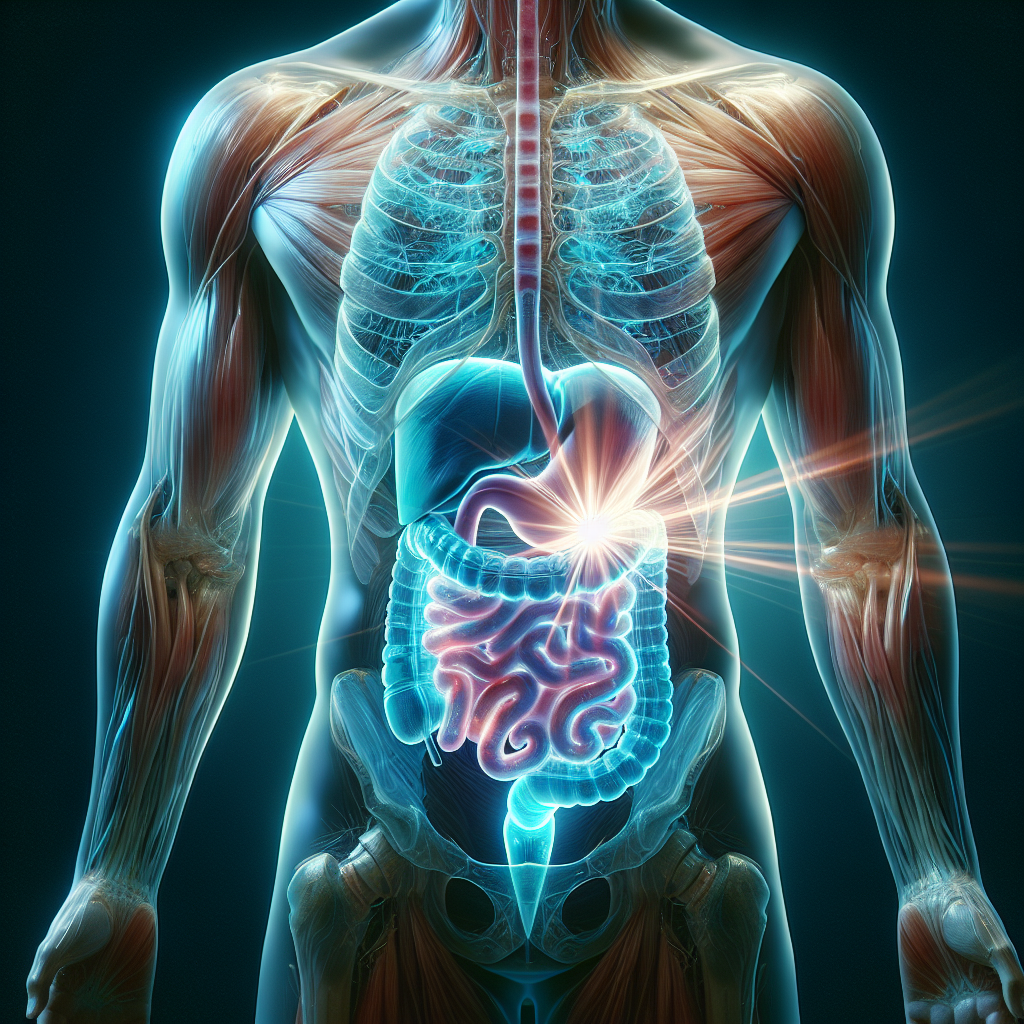
Can Gas Cause Back Pain? The Uncomfortable Truth
So, you are lying on the couch, rubbing your lower spine, and wondering: can gas cause back pain? It sounds absolutely crazy at first. Most of us associate bloating and digestive issues with a tight, swollen stomach, not a throbbing ache radiating right near our spine. But here is the reality: your digestive tract and your back are much closer neighbors than you might think.
A few months ago, my buddy Mark called me in a complete panic. He spent three entire days thinking he had a slipped disc. He could barely bend over to tie his shoes and was in absolute agony. He even went ahead and booked an outrageously expensive physiotherapist appointment. Turns out, after eating a massive bowl of spicy lentil soup and a side of roasted cabbage at a local diner, a huge pocket of trapped air had lodged itself directly against his diaphragm and posterior abdominal wall. One massive burp and a quick trip to the restroom later, his “slipped disc” miraculously vanished. It is funny now, but at the time, the pain was intensely real.
This happens way more often than people realize. Your gut is a complex, sensitive machine, and when it fills up with excess air, that pressure has to go somewhere. The human body is heavily interconnected through a vast network of nerves. Understanding how a simple digestive issue can mimic a severe musculoskeletal injury will save you a ton of anxiety, time, and money. Let us break down exactly how this happens and what you can do about it.
The Core Mechanics of Trapped Gas and Referred Pain
When you eat, talk, or chew gum, you swallow air. Combine that with the natural gases produced by bacteria in your gut breaking down food, and you have a constant stream of air moving through your digestive system. Usually, this is entirely harmless. But sometimes, gas gets trapped in the tight curves of your colon. As it builds up, the intestine expands like a balloon. This distension presses against surrounding organs, tissues, and nerves.
The reason you feel this in your back is due to something called referred pain. Your brain gets confused about exactly where the pain signals are coming from because the nerves in your internal organs share pathways with the nerves in your muscles and skin. When the colon swells and pushes against the posterior abdominal wall, the nerves send out distress signals that your brain interprets as lower or middle back pain.
| Feature | Gas Pain | Muscle Strain | Kidney Issue |
|---|---|---|---|
| Nature of Pain | Sharp, moving, cramping spasms. | Dull ache, stiffness, worsens with movement. | Deep, throbbing, constant pain on one side. |
| Triggers | Heavy meals, certain foods, swallowing air. | Heavy lifting, poor posture, sudden twisting. | Dehydration, infections, kidney stones. |
| Relief Methods | Passing gas, burping, walking, changing position. | Rest, ice/heat packs, physical therapy, time. | Medical treatment, antibiotics, extreme hydration. |
To really tell the difference, you need to look at the broader context of your body. Here is how you can usually pinpoint if your agony is just a bubble of air:
- The Posture Test: If shifting your posture or doing a yoga pose (like the child’s pose) causes the pain to move to a different spot or temporarily vanish, it is highly likely to be gas moving through your intestines.
- The Timeline Factor: Did this pain start randomly an hour or two after a massive meal? If there was no physical trauma, no heavy lifting, and no awkward sleeping position, digestion is the prime suspect.
- Accompanying Symptoms: Look for the obvious clues. Are you also feeling bloated? Is your stomach making loud gurgling noises? Are you feeling unusually full despite not eating recently? These all point straight to your gut.
Origins of Digestive Studies
Humanity has been trying to figure out the gut-body connection for thousands of years. The ancient Greeks, heavily influenced by Hippocrates, believed that digestion was a form of internal cooking. They thought that if the “heat” was off, food would rot and create toxic vapors that traveled through the body, causing pain in the joints and back. While their exact science was a bit flawed, their fundamental observation—that gut gases cause systemic pain—was surprisingly accurate.
Throughout the Middle Ages, physicians often confused severe gas pain with conditions like lumbago or even kidney stones. Without modern imaging, they had to rely purely on touching the patient’s abdomen and listening to their complaints. The remedies were brutal: purging, fasting, and sometimes even applying hot irons to the lower back to “draw out the cold humors.” Fortunately, we have moved past those dark times.
Evolution of Diagnostics
Fast forward to the 19th and 20th centuries, and the invention of the X-ray changed everything. Doctors could finally see inside a living patient without cutting them open. Early radiologists were shocked to see massive black pockets of air sitting right up against the spine in patients complaining of severe backaches. This visualization confirmed the physical reality of referred pain from intestinal distension.
As technology advanced into the late 20th century, ultrasound and MRI technology allowed specialists to map out exactly how an inflamed or bloated colon physically displaced surrounding tissues, irritating the sensitive nerves that line the spinal column. The mystery was officially solved, transitioning from ancient guesswork to hard, visible data.
The Modern State of Gastroenterology
As we navigate the highly advanced health trends of 2026, the way we look at gut health has completely evolved. We no longer just treat the symptoms with an antacid. Modern gastroenterology uses real-time microbiome mapping to understand exactly which bacteria are producing the excess gas. We now know that an imbalance in your gut flora is the root cause of chronic bloating. Artificial intelligence is being used to analyze stool samples and recommend highly specific, personalized dietary changes. Yet, despite all this incredible technology, the basic human experience remains the same: a bad meal can still leave you clutching your back in agony.
The Anatomy of Referred Pain
Let us get a little technical to really understand what is happening inside you. Your internal organs are innervated by visceral nerves. These nerves are not very good at pinpointing exact locations. When your large intestine (particularly the splenic flexure, the sharp bend of the colon near your spleen) gets bloated with trapped gas, it stretches the intestinal wall. This stretching activates mechanoreceptors, which shoot panic signals up the splanchnic nerves.
Because these nerves enter the spinal cord at the exact same level as the somatic nerves coming from your back muscles, the brain gets its wires crossed. It receives a distress signal but assumes it is coming from the muscles or the skin of the back rather than the smooth muscle of the gut. This is referred pain in its purest, most annoying form.
Microbiome Mechanics
Why do some people produce so much gas in the first place? It comes down to microscopic bugs. Your large intestine is home to trillions of bacteria. When you eat complex carbohydrates—like the oligosaccharides found in beans and onions—your stomach cannot fully break them down. They reach the colon intact, where your bacteria feast on them.
This fermentation process is completely natural, but it produces byproducts. Here are some scientific realities about what is happening in your gut:
- Hydrogen and Methane Production: Bacteria like Methanobrevibacter smithii specifically produce methane gas during fermentation, which significantly slows down gut motility, keeping the gas trapped longer.
- Distension Pressure: Severe trapped gas can exert a pressure of up to 30 mmHg against the intestinal walls, which is more than enough force to physically push against the posterior abdominal wall and the diaphragm.
- Visceral Hypersensitivity: People with Irritable Bowel Syndrome (IBS) have nerves that are hyper-sensitive to normal amounts of gas. What feels like a regular digestive process to one person feels like an acute back injury to someone with IBS.
Day 1: The Elimination Audit
If you want to banish gas-induced back pain, you need a solid protocol. Day one is all about playing detective. You need to strip your diet down to the absolute basics to see what is causing the flare-ups. Remove all high-FODMAP foods immediately. This means no garlic, no onions, no wheat, no dairy, and definitely no beans. Stick to plain rice, chicken, and easy-to-digest vegetables like zucchini. Keep a very strict journal of everything that enters your mouth and note how your lower back feels two hours after eating.
Day 2: Hydration and Herbal Teas
Water is the ultimate lubricant for your digestive tract. On day two, focus entirely on flushing your system. Drink at least three liters of room-temperature water. Ice-cold water can shock your stomach and slow digestion, so keep it tepid. Introduce peppermint tea and ginger tea into your routine. Peppermint is a natural antispasmodic, meaning it relaxes the muscles of your intestines, allowing trapped air bubbles to move freely instead of lodging against your spine.
Day 3: Targeted Movement and Stretches
You cannot just sit around waiting for the gas to move. Day three involves active physical intervention. Start doing specific yoga poses designed to massage the digestive organs. The “Knees to Chest” pose (Apanasana) is literally known as the wind-relieving pose. Lie on your back, pull your knees tightly to your chest, and rock gently side to side. Combine this with a brisk 20-minute walk after every single meal. Gravity and gentle motion are your best friends here.
Day 4: Probiotic Rebalancing
By day four, your system is cleared out and rested. Now, you need to introduce good bacteria. However, do not just grab a random supplement off the shelf. Look for specific strains like Bifidobacterium infantis, which are clinically proven to reduce bloating and gas production. You can also start adding small amounts of fermented foods like kefir or plain Greek yogurt, but do this slowly to ensure you do not trigger a new wave of fermentation and back pain.
Day 5: Fiber Adjustment Protocol
Fiber is tricky. Too little, and you get constipated (which blocks gas). Too much, and you create a massive fermentation factory in your gut. On day five, start balancing your soluble and insoluble fiber intake. Soluble fiber, found in oats and psyllium husk, gels up in water and moves smoothly through your gut without creating excess air. Avoid insoluble fiber like raw kale or broccoli right now, as it is much harder for a sensitive gut to break down without producing massive gas bubbles.
Day 6: Mindful Eating Mechanics
How you eat is just as critical as what you eat. On day six, focus entirely on your chewing mechanics. The stomach has no teeth. If you swallow large chunks of food, your gut bacteria have to work ten times harder to break it down, resulting in ten times the gas. Chew every single bite at least twenty to thirty times until it is absolute mush. Also, put your fork down between bites and stop talking while chewing. Talking leads to swallowing huge gulps of ambient air, which travels straight to your colon.
Day 7: Long-term Gut Maintenance
The final day is about setting up a sustainable lifestyle. You cannot stay on an elimination diet forever. Begin reintroducing foods one at a time, spacing them out by 48 hours to see if the back pain returns. Keep the peppermint tea habit, maintain your daily walks, and continue chewing your food thoroughly. You now have a personalized blueprint to ensure your back never falls victim to a stray bubble of intestinal air again.
Myths & Reality: Breaking Down the Misconceptions
Myth: Gas only causes pain in the front of your stomach.
Reality: Your intestines wrap all the way around your abdominal cavity, resting directly against your back muscles and spine. Distension here will absolutely radiate to the posterior side.
Myth: You should take standard painkillers for gas-related back pain.
Reality: Ibuprofen or acetaminophen will do literally nothing for gas. In fact, NSAIDs can severely irritate your stomach lining and make your digestive issues much worse. You need simethicone or physical movement.
Myth: Only unhealthy, greasy foods cause trapped gas.
Reality: Some of the healthiest foods on the planet—like apples, broccoli, lentils, and cabbage—are the worst offenders for creating massive amounts of gas because they are packed with complex carbohydrates.
Myth: Holding in gas is polite and entirely harmless.
Reality: Holding it in forces the gas to travel back up the colon, stretching the walls further, absorbing into the bloodstream, and severely exacerbating referred back pain. Just let it out.
Frequently Asked Questions
Can gas cause back pain on the left side?
Yes, absolutely. The descending colon is located on the left side of your abdomen. Gas often gets trapped at the splenic flexure (a sharp turn high up on the left), causing sharp, radiating pain in your left middle or lower back.
Can gas cause back pain on the right side?
Yes. The ascending colon is on the right. When gas accumulates near the hepatic flexure (near the liver), the pressure can trigger referred pain directly into your right shoulder blade or lower right back.
How long does gas back pain last?
It can last anywhere from a few minutes to a couple of days. Once the trapped air is passed either through burping or flatulence, the pain usually dissipates almost immediately.
Is walking good for trapped gas?
Walking is one of the single most effective remedies. Gentle, rhythmic movement massages the intestines and helps push the trapped air bubbles through the complicated twists and turns of your digestive tract.
When should I see a doctor?
If your back pain is accompanied by a high fever, severe vomiting, bloody stools, or if the pain is completely debilitating and refuses to pass after several hours, go to the emergency room. It could be appendicitis or a kidney infection.
Does drinking hot water help?
Warm water helps relax the smooth muscles of your gut. It aids in the breakdown of food and can definitely help speed up digestion, moving the gas out faster than drinking ice-cold liquids.
Can stress cause gas and back pain?
Stress triggers the fight-or-flight response, which actively shuts down your digestive system. When digestion slows, food sits in your gut longer, ferments more, creates more gas, and inevitably leads to that familiar aching back.
Final Thoughts on Digestion and Discomfort
So, the next time you find yourself rubbing your lower spine after a heavy meal, do not immediately panic and assume your athletic days are over. The human body is weird, loud, and deeply interconnected. A little trapped air can cause a shocking amount of discomfort, but thankfully, the fixes are simple, natural, and highly effective. If you are struggling with chronic, mysterious back aches that seem tied to your eating habits, take action today. Drink some peppermint tea, go for a long walk, and start paying attention to your gut health. Your back will seriously thank you!

Leave a Reply