
Phleboliths: Why You Shouldn’t Panic About These Little Vein Stones
Ever looked at an X-ray report, seen the weird word phleboliths, and instantly felt your heart drop to your stomach? You are definitely not alone. It happens every single day. People get a scan for lower back pain, open their patient portal app before the doctor even calls, and read a bunch of scary-sounding medical jargon. Because we now get our medical records instantly on our phones in 2026, the panic sets in faster than ever.
I have a buddy over in London who got a standard pelvic CT scan recently after complaining of a lingering ache in his lower left side. The radiologist handed him the digital notes, and there it was—a bolded line stating “multiple pelvic phleboliths present.” He immediately called me in an absolute panic, totally convinced he had some rare, calcified alien parasites or massive kidney stones blocking his organs. I had to spend twenty minutes talking him down and explaining the reality of the situation.
Basically, these are just tiny, round calcium deposits that form inside your veins, mostly in the pelvic region. They are incredibly common, completely harmless, and just a totally normal part of aging. You do not need surgery, and you are not dying. By the end of our chat here, you will know exactly why they show up on your scans, how they differ from actual problematic medical stones, and why your doctor usually just ignores them completely.
The Core Reality: What Exactly Is a Phlebolith?
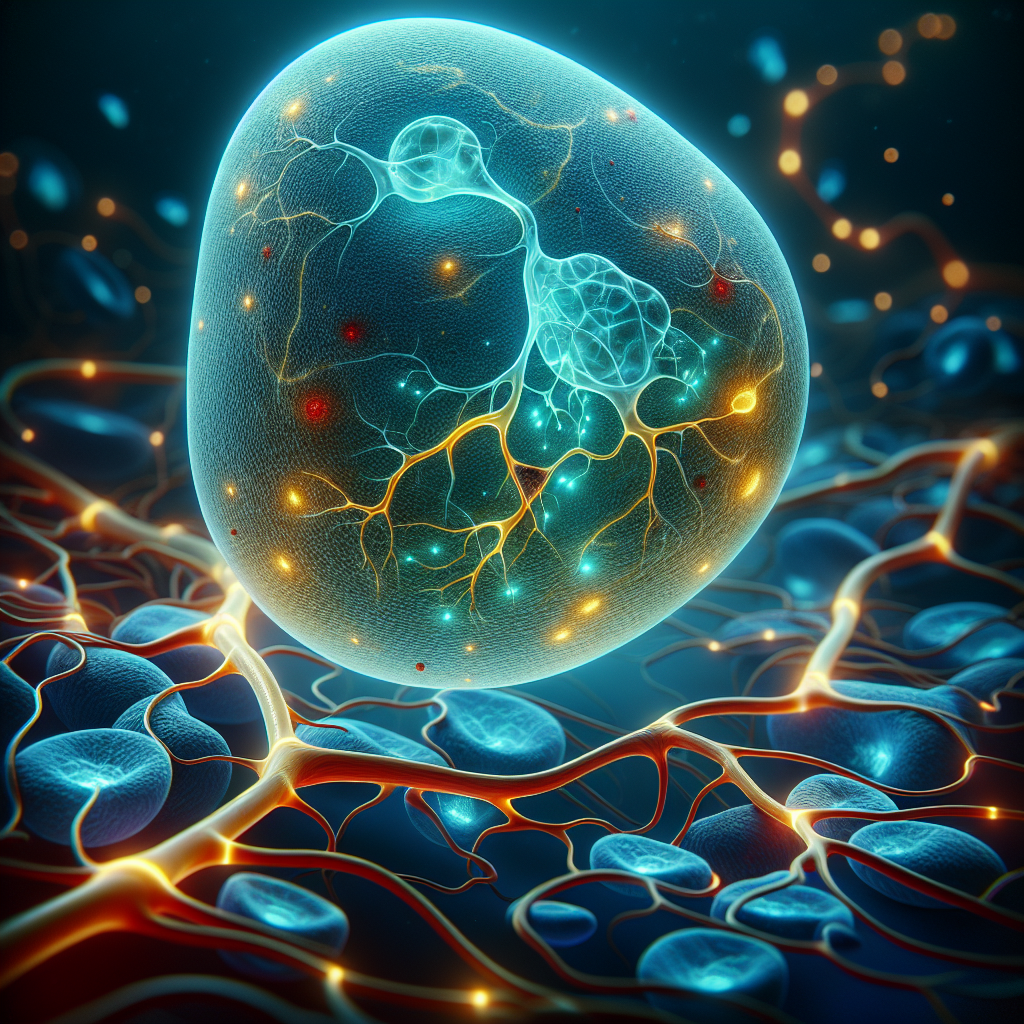
To really grasp what is going on inside your body, we just need to look at the word itself. “Phlebo” literally means vein, and “lith” means stone. Put them together, and you have vein stones. But they are not jagged, painful rocks like kidney stones. When blood flow slows down in the complex, twisting webbing of your pelvic veins, the internal pressure can build slightly. A tiny, microscopic clot might form against the vein wall. Over time, your body responds to this by layering calcium over it, turning it into a tiny, smooth pearl of calcium phosphate.
Understanding this biological process gives you a massive advantage. First, it saves you from making unnecessary, wildly expensive appointments with specialists like urologists or oncologists. You save your money and your sanity. Second, it prevents you from blaming your lower back pain or abdominal cramps on the wrong thing. If you know the vein stone is innocent, you can focus on the real issue, which is usually just a pulled muscle or a bit of trapped gas.
| Feature | Phleboliths | Kidney Stones | Gallstones |
|---|---|---|---|
| Location | Inside pelvic veins | Kidneys and ureters | Gallbladder |
| Pain Level | Usually painless | Excruciating | Severe right-sided pain |
| Treatment | None required | Lithotripsy, meds, passing | Diet changes, surgery |
| Primary Makeup | Calcium phosphate | Calcium oxalate, uric acid | Cholesterol, bilirubin |
So, what actually triggers the formation of these little internal pearls? Here is the exact breakdown:
- The natural aging process: As we get older, our vein walls naturally lose some of their elasticity, allowing blood to pool slightly.
- Chronic physical straining: Repeated heavy lifting at the gym, chronic constipation, or chronic coughing can increase pelvic pressure, damaging the tiny valves inside the veins.
- Previous injuries or conditions: Prior trauma to the pelvic floor, multiple pregnancies, or existing varicose veins severely disrupt normal blood flow, creating the perfect environment for calcification.
- Sedentary lifestyles: Sitting at a desk for 10 hours a day slows down circulation to a crawl in the lower half of your body.
The Origins of Vein Stone Discovery
The medical community did not always have such a laid-back attitude toward these calcifications. Back in the late 19th and early 20th centuries, when X-ray technology was still in its absolute infancy, doctors frequently misdiagnosed them. The early radiographic plates were incredibly blurry and lacked contrast. A doctor would spot a white dot near the urinary tract, assume it was a ureteral stone causing the patient’s pain, and rush them into highly invasive, totally unnecessary surgeries. It took decades of autopsies and anatomical studies for the medical field to realize that these “stones” were actually safely tucked away inside the venous system, completely separate from the urinary tract.
Evolution of Radiological Detection
As the decades passed, imaging technology rapidly improved. The introduction of the CT scanner in the 1970s was a massive leap forward. Suddenly, radiologists could see the body in 3D slices rather than flat, overlapping shadows. They started mapping the exact location of these bright white dots and confirmed they perfectly aligned with the network of pelvic veins. Doctors began to recognize the classic “comet tail” sign—a specific visual trait on a scan that differentiates a harmless vein stone from a dangerous kidney stone. Radiologists learned to just note them casually in the report and move on to finding actual pathology.
The Modern State of Phlebolith Diagnosis in 2026
Fast forward to 2026, and the diagnostic landscape is lightyears ahead. We now use highly advanced, AI-assisted radiology software. When a patient goes into a modern scanner, the artificial intelligence immediately maps every single calcification in the pelvis. The AI cross-references the coordinates with known vascular pathways and instantly tags the phleboliths as benign background noise. It highlights them in green on the radiologist’s monitor, filtering them out so the human doctor can focus on detecting tumors, fractures, or real kidney stones. This tech ensures zero confusion, virtually eliminating the misdiagnoses that plagued hospitals a century ago.
The Calcification Mechanism Explained
To really get what is happening on a microscopic level, you need to look at the hemodynamics—which is just a fancy word for how your blood moves—inside the pelvic floor. The pelvis contains a massive, tangled web of veins that must push blood back up toward the heart, constantly fighting gravity. When you sit for long periods or strain, the delicate inner lining of these veins, called the endothelium, can suffer microscopic tears. This mild endothelial injury triggers your body’s natural repair system.
Your blood starts to clot just a tiny bit to patch the microscopic damage. This tiny clot is called a thrombus. Because the blood flow here is naturally sluggish, the tiny clot just hangs out attached to the vein wall. Over months and years, immune cells called macrophages interact with the clot, and calcium and phosphate from your bloodstream slowly precipitate onto the surface. It is basically the same biological mechanism that creates a pearl inside an oyster, layer by layer, until it becomes completely solid.
Hemodynamics in the Pelvic Floor
Understanding the physics of your pelvic blood flow takes away the mystery. Once that calcified pearl forms, it becomes radiopaque. That means X-rays cannot pass through it, making it show up as a bright white spot on medical imaging. Because they are securely attached to the vein wall or embedded in the surrounding connective tissue, they do not break off. They do not travel to your lungs or heart. Here are the core scientific facts regarding their formation:
- Fibrin accumulation: The initial stage involves sticky fibrin strands catching red blood cells to form the base structure.
- Calcium phosphate deposition: Mineral layers form concentrically, creating the smooth, hard outer shell.
- Radiopaque signatures: Their density is nearly identical to bone, which is why they light up on X-rays.
- Venous hypertension correlation: They are directly linked to elevated pressure in the venous system, explaining why they are so common in adults over 40.
- Non-embolizing nature: Unlike deep vein thrombosis (DVT) clots, these are entirely calcified and immobile.
Day 1: Breathe and Read the Report Properly
If you just got your scan results back, your first step is simply to take a deep breath. Read the text carefully. If the radiologist wrote “unremarkable phleboliths” or “incidental finding,” you have absolutely nothing to worry about. Close the app, make a cup of tea, and stop doom-scrolling medical websites. You are totally fine.
Day 2: Hydrate to Support Vein Health
Since sluggish blood flow contributes to venous issues, drinking plenty of water is a solid strategy. Proper hydration keeps your blood volume up and prevents your blood from becoming overly thick or sluggish. Aim for at least two liters of water today. It helps your entire cardiovascular system function optimally and keeps the pelvic veins flushed.
Day 3: Start Gentle Pelvic Floor Exercises
You cannot dissolve a phlebolith, but you can definitely improve the circulation in your pelvis to prevent vein swelling. Try some basic Kegel exercises or gentle yoga poses like the “Happy Baby” stretch. Moving the muscles in your pelvic region acts like a natural pump, pushing blood back up toward your heart and reducing localized pressure.
Day 4: Evaluate Your Sitting Habits
Take a hard look at your daily routine. If you are sitting at a computer desk for eight hours straight, you are creating a massive traffic jam in your pelvic veins. Set a timer on your phone or smartwatch to stand up, stretch, and walk around for two minutes every single hour. This simple habit massively improves lower-body hemodynamics.
Day 5: Add Dietary Fiber
Chronic straining in the bathroom is a massive trigger for pelvic vein pressure. Today, actively boost your dietary fiber. Eat some oats, grab an apple, or toss some spinach into your dinner. Keeping your digestion smooth means you won’t have to strain, which protects the delicate valves in your pelvic veins from sustaining further damage.
Day 6: Check for Actual Symptoms
Take a moment to evaluate how you actually feel. Are you having sharp, radiating back pain? Does it burn when you use the bathroom? If you have severe symptoms, they are NOT being caused by the phlebolith. Those symptoms point to something else entirely, like a muscle tear, a real kidney stone, or a nerve issue. Document these symptoms clearly.
Day 7: Consult Without Panic
Now that you have spent a week understanding your body and logging any actual symptoms, go to your follow-up doctor’s appointment. Instead of asking, “How do we remove these vein stones?” you can confidently say, “I saw the incidental phleboliths, so I know those aren’t the issue. What else could be causing my lower back ache?” You instantly become a smart, empowered patient.
Myth: They turn into deep vein thrombosis (DVT).
Reality: People often hear the word “clot” in the origin story and assume the worst. A phlebolith is a fully calcified, dead piece of mineral. It is essentially a tiny piece of bone sitting in a pocket. It is completely immobile and will never break off to travel to your lungs or cause a stroke.
Myth: You can dissolve them with apple cider vinegar.
Reality: The internet is full of fake detox gurus claiming you can melt these away with lemon water or vinegar. That is utterly false. They are solid rocks of calcium phosphate safely embedded inside your tissue. Your digestive system has zero access to them. Save your money and ignore the fake detox teas.
Myth: They are the reason for your severe back pain.
Reality: Phleboliths do not have sharp edges, and they sit in soft, expanding venous tissue. They almost never cause pain. If your back hurts, it is far more likely that you pulled a muscle lifting a heavy box or you have a slightly bulging disc. The vein stone is just an innocent bystander caught on camera.
Myth: You eventually need surgery to remove them.
Reality: Doctors literally never operate on phleboliths unless they are part of a massive, painful tangle of varicose veins that needs removal for other reasons. In 99.9% of cases, medical professionals will completely ignore them for your entire life.
Are phleboliths dangerous?
Not at all. They are completely benign, harmless deposits of calcium. They do not cause cancer, they do not cause blood clots to travel, and they do not damage your surrounding organs. They just exist quietly.
Do phleboliths hurt?
In the vast majority of cases, no. They are incredibly small and smooth. Very rarely, a large cluster of them in a swollen varicose vein might cause a dull ache, but sharp, severe pain is practically unheard of.
Can phleboliths pass in urine?
No, because they are not in your urinary tract. Kidney stones form in the kidneys and travel down the ureter to the bladder, exiting through urine. Phleboliths are sealed completely inside your closed circulatory system.
Are they related to kidney stones?
There is absolutely zero connection between the two. Having vein stones does not mean you are at a higher risk for getting kidney stones. They form through entirely different biological and chemical processes.
Should I change my diet?
You don’t need a special diet just for phleboliths. However, eating a generally healthy, high-fiber diet keeps your digestion moving, which prevents you from straining and putting unnecessary pressure on your pelvic floor veins.
Do they grow bigger?
They can technically accumulate more calcium over many years, but their growth is strictly limited by the tiny size of the vein they are sitting in. They will never grow to the size of a golf ball or anything crazy like that.
Can both men and women get them?
Yes, absolutely. While some pelvic vein issues are more common in women due to pregnancy, men get phleboliths all the time too, often related to heavy lifting, aging, or prolonged periods of sitting.
So, the next time you or a friend logs into a medical app in 2026 and sees a terrifying notification about pelvic calcifications, you know exactly what to do. Take a breath, remember that these are just tiny, innocent little pearls showing how well your body heals its own internal plumbing, and move on with your day. If you found this breakdown helpful and want to stay ahead of the curve on understanding your own health records, share this guide with a friend who tends to overthink their medical results!

Leave a Reply