
The weird reality of scalp pain and why your hair feels sore
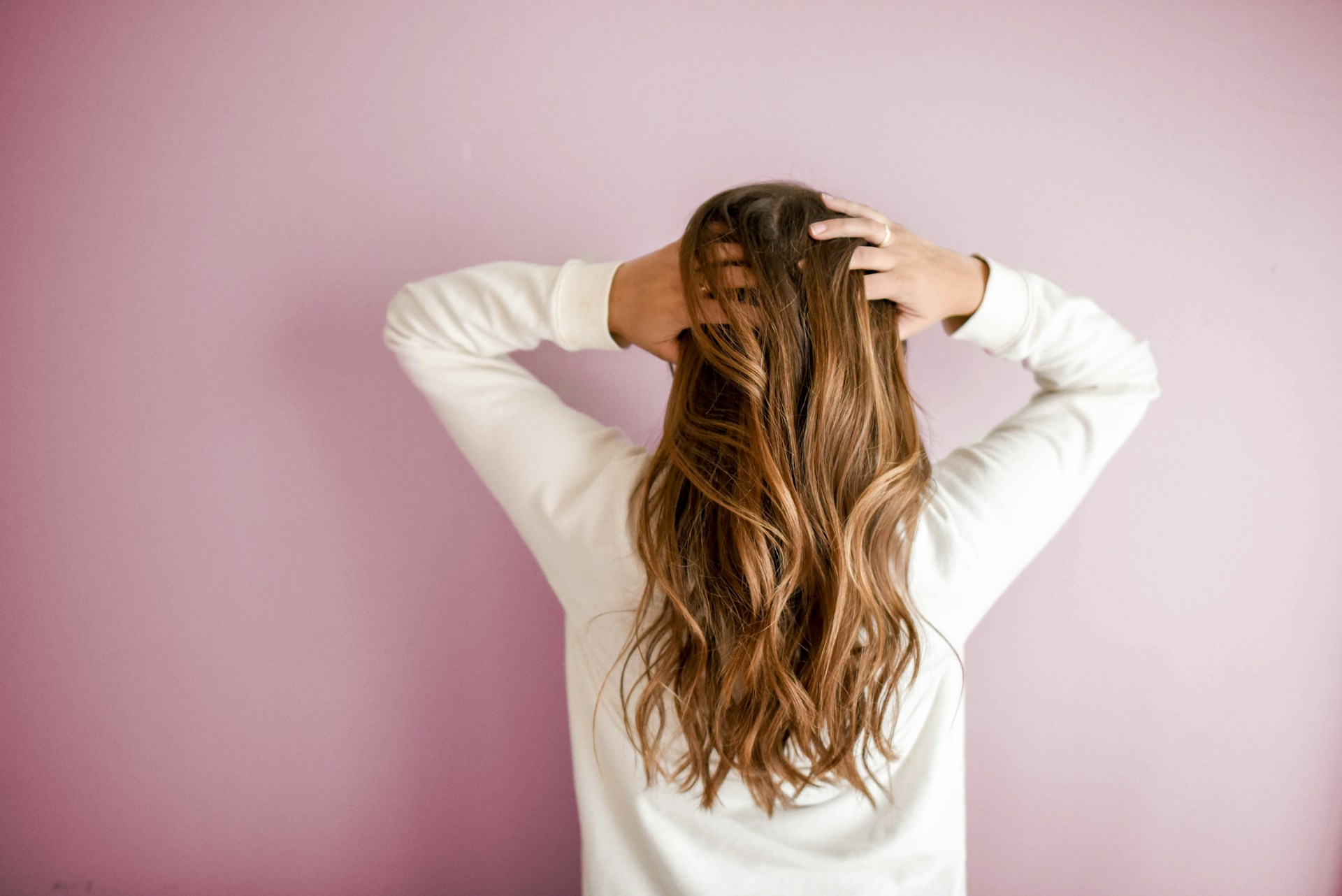
Have you ever spent a long day with your hair pulled back in a sleek bun, only to feel a throbbing, bruised sensation the moment you let it down? It sounds physically impossible. Hair is essentially dead protein. It doesn’t have nerves. It shouldn’t be able to feel pain. Yet, here you are, wondering why even moving a single strand feels like someone is poking a bruise on your skull.
Honestly, it is one of those annoying things that most people deal with but rarely talk about until it becomes unbearable. We usually just call it “hair pain,” but in the medical world, it has a much fancier name: trichodynia. But let’s keep it simple. Your hair isn’t actually hurting; the skin and the complex network of nerves around your hair follicles are the real culprits.
The scalp is incredibly sensitive. It is packed with blood vessels and nerve endings. When something goes wrong at the base of the hair, your brain registers it as if the hair itself is aching. It is a strange, localized discomfort that can range from a dull itch to a sharp, burning sensation. If you have ever felt this, you are definitely not alone, and there is usually a very logical reason behind it.
The ponytail hangover and tension headaches
One of the most common reasons for that “bruised” feeling is simply how you wear your hair. If you are a fan of high ponytails, tight braids, or heavy extensions, you are putting a constant, mechanical strain on your follicles. Think of it like holding a heavy shopping bag in one hand for six hours straight. Eventually, your muscles are going to scream.
When you pull your hair back tightly, you are tugging on the nerves at the root. Over time, this causes inflammation. When you finally take the hair tie out, the sudden change in direction for those follicles sends a flare of pain signals to your brain. It’s like your hair is trying to “breathe” again after being suffocated.
Common styling habits that cause pain
- High, tight ponytails or “snatched” buns.
- Heavy hair extensions that pull at the natural root.
- Wearing headbands or hats that are too small for your head.
- Sleeping with wet hair tied up in a bun.
- Using metal hair clips that pinch the skin.
If you find yourself reaching for ibuprofen after taking your hair down, it might be time to rethink your signature look. Chronic tension on the scalp doesn’t just hurt; it can actually lead to something called traction alopecia, which is fancy talk for “your hair is falling out because you’re pulling it too hard.”
Product buildup and the dirty hair dilemma
Sometimes the pain isn’t about how you style your hair, but what is sitting on your scalp. We all love a good dry shampoo. It’s a lifesaver on Tuesday mornings when you hit snooze one too many times. But if you rely on it for three or four days in a row, you are essentially creating a layer of “gunk” on your skin.
This buildup of oils, dead skin cells, and chemical products can lead to inflammation. Yeast and bacteria love a greasy, warm environment. When they overgrow, they irritate the scalp, causing redness and that weird, sore sensation. You might think skipping a wash is helping your hair stay healthy, but your scalp might disagree.
Typical scalp irritants found in products
| Product Type | Potential Irritant | Effect on Scalp |
|---|---|---|
| Dry Shampoo | Starch and Talc | Clogs follicles and traps bacteria |
| Hair Spray | Ethanol/Alcohol | Dries out the skin and causes itching |
| Cheap Shampoos | Sulfates | Strips natural oils leading to irritation |
| Heavy Oils | Silicone | Suffocates the scalp if not washed properly |
| Box Dye | Paraphenylenediamine (PPD) | Can cause allergic contact dermatitis |
If you feel like your roots are “sore” and you haven’t washed your hair in a few days, a good clarifying shampoo might be all you need. It’s about balance. You don’t want to strip your scalp every single day, but you can’t let a bio-dome of product build up either.
Skin conditions you shouldn’t ignore
Sometimes, the “hair hurt” is a symptom of an actual skin condition. Seborrheic dermatitis is a big one. It’s basically dandruff’s more aggressive older brother. It causes scaly patches, red skin, and stubborn dandruff. When the inflammation gets bad enough, the whole area feels tender to the touch.
Psoriasis is another possibility. It’s an autoimmune condition that causes skin cells to build up rapidly, forming thick, silvery scales. These patches can be incredibly itchy and painful. If you notice thick crusting or bleeding when you scratch, it’s definitely time to see a dermatologist rather than just swapping your shampoo.
Then there is the issue of migraines. Many people who suffer from chronic migraines experience something called allodynia. This is a condition where things that shouldn’t be painful-like brushing your hair or a light breeze hitting your head-suddenly feel excruciating. It’s a glitch in how your nervous system processes touch during a migraine episode.
How weather and environment play a role
Believe it or not, the weather in the USA can be a major factor in how your scalp feels. In the winter, the air is incredibly dry, especially with the heat blasting in our homes and offices. This sucks the moisture out of your scalp, leaving it tight and irritable. It’s like having dry, cracked skin on your hands, but it’s hidden under your hair.
On the flip side, high humidity in the summer can lead to excess sweating. Sweat contains salt, which can irritate the skin if it sits there for too long. Plus, sunburnt scalps are a real thing. If you’ve spent a day at the beach without a hat, that “hair pain” might actually be a first-degree burn on your parting line.
Quick fixes for environmental scalp stress
- Use a humidifier in your bedroom during the winter months.
- Wear a hat or use a scalp-specific SPF when outdoors.
- Rinse your hair with cool water after a heavy workout to remove salt.
- Switch to a moisturizing scalp serum if the air is particularly dry.
The connection between stress and scalp sensitivity
We often carry stress in our shoulders and necks, but you might be surprised to learn that you can carry it in your scalp too. There is a thin layer of muscle across the skull called the epicranius. When you are stressed, you might be subconsciously tensing these muscles, leading to a dull ache that feels like it’s coming from your hair.
Furthermore, stress releases cortisol. High levels of cortisol can trigger inflammation throughout the body, including the skin on your head. Have you ever noticed that you get a “sore head” right before a big presentation or after a long week? It’s not just in your head-well, it is, but it’s a physical reaction.
Diet and hydration: The internal factor
What you put in your body shows up on your skin. If you are dehydrated, your skin is the first place to show it. A dehydrated scalp loses its elasticity and becomes more prone to irritation. Similarly, a diet high in processed sugars can flare up inflammatory conditions like seborrheic dermatitis.
Nutrients that support a healthy scalp
- Omega-3 Fatty Acids (found in salmon and walnuts) to reduce inflammation.
- Biotin and B-vitamins for skin cell turnover.
- Zinc to help regulate oil production.
- Water (lots of it) to keep the skin supple.
If you are dealing with persistent scalp pain, take a look at your water intake. Most of us are walking around slightly dehydrated, and our scalps are paying the price. It’s a simple fix, but it can make a massive difference in how your skin feels.
When should you actually see a doctor?
Most of the time, “hair pain” is just a sign that you need to wash your hair or stop wearing that tight bun. However, there are times when it’s more serious. If the pain is accompanied by sudden hair loss, patches of baldness, or intense weeping and crusting, don’t wait.
A dermatologist can do a scalp biopsy or a simple swab to see if you have a fungal infection or an autoimmune issue. Conditions like lichen planopilaris can cause permanent scarring and hair loss if they aren’t caught early. If the pain is making it hard to sleep or concentrate, get it checked out.
Comparing scalp pain causes
| Symptom | Likely Cause | Recommended Action |
|---|---|---|
| Bruised feeling after ponytail | Mechanical Tension | Let hair down; scalp massage |
| Itchy, flaky, and sore | Seborrheic Dermatitis | Medicated dandruff shampoo |
| Sharp pain during migraine | Allodynia | Treat the underlying migraine |
| Intense burning and redness | Sunburn or Allergy | Cool compress; antihistamines |
| Soreness with oily buildup | Product Accumulation | Clarifying wash; scalp scrub |
Simple ways to soothe a sore scalp at home
If your head is throbbing right now, the first thing to do is let your hair down. Literally. Give your scalp a break. A gentle massage with your fingertips (not your nails!) can help stimulate blood flow and release some of that built-up tension.
You might also want to try a scalp treatment. Something with tea tree oil can be great for its anti-fungal and anti-inflammatory properties. Just make sure to dilute it or use a pre-made formula so you don’t irritate the skin further. Peppermint oil is another favorite because it provides a cooling sensation that can “numb” the soreness temporarily.
Another trick is to change your hair parting. If you always part your hair in the same spot, the hair follicles are constantly being pushed in one direction. Flipping your part can give those follicles a rest and prevent localized soreness. It’s a small change that feels surprisingly good.
The role of hair wash frequency
There is a lot of debate online about how often you should wash your hair. The “no-poo” movement suggests washing as little as possible, but for many, this is a recipe for a painful scalp. If you have an oily scalp, you probably need to wash every other day to prevent the buildup of malassezia (a yeast-like fungus).
If you have very dry hair, you can go longer, but you should still focus on cleaning the skin of your scalp even if you don’t run soap through the ends of your hair. Use a silicone scalp massager in the shower. It helps break up dead skin and product without being too harsh on the delicate follicles.
Common questions about scalp soreness
Is it normal for my hair to hurt when it’s dirty?
Yes, totally. Natural oils (sebum) build up and trap bacteria and yeast. This causes mild inflammation around the follicle, which feels like soreness. A quick wash usually fixes this within an hour.
Can stress really make my scalp hurt?
Absolutely. Stress causes muscle tension in the head and neck. It also triggers inflammatory responses in the skin. If you are stressed, your nerves can become hypersensitive, making your hair feel sore.
Why does my hair hurt after I take it out of a ponytail?
This is caused by the nerves in your follicles being pulled in one direction for a long time. When the tension is released, the nerves “re-set,” which causes a temporary rush of pain or soreness.
Could my hair products be the cause?
Yes, many people have sensitivities to sulfates, fragrances, or preservatives in hair care. If the pain started after switching to a new brand, that’s a big red flag.
Does scalp pain mean I’m losing my hair?
Not necessarily. While some conditions like traction alopecia cause pain and hair loss, most scalp soreness is temporary. However, chronic inflammation isn’t good for hair growth, so it’s best to address it.
Should I use hot or cold water to wash a sore scalp?
Lukewarm is best. Hot water can strip the skin’s protective barrier and increase inflammation, while freezing cold water might not effectively break down oils.
How often should I use a clarifying shampoo?
For most people, once a week or every two weeks is enough. If you use a lot of styling products or live in an area with hard water, you might need it more frequently to prevent buildup.
The bottom line on why your hair feels sore
At the end of the day, “hair pain” is your body’s way of telling you that something is off with the skin on your head. Whether it’s a ponytail that’s a bit too tight, a buildup of your favorite dry shampoo, or just a stressful week, the discomfort is real. It’s not just your imagination, and you aren’t “crazy” for feeling like your hair is bruising.
The good news is that most cases are easily fixed. Listen to your scalp. If it’s oily, wash it. If it’s tight, moisturize it. If it’s being pulled, let it down. Your hair is your crowning glory, but the scalp is the foundation. If you take care of the skin, the hair will usually follow suit.
So, next time you feel that weird ache, take a second to breathe, drink a glass of water, and maybe give yourself a little head massage. Your follicles will thank you.
Conclusion
Scalp sensitivity is a nuanced issue that blends physical styling habits with internal health. By understanding that “hair pain” is actually a nerve and skin response, you can take better steps to manage it. Avoid excessive tension, keep your scalp clean without over-stripping, and stay mindful of how environmental factors like weather and stress impact your well-being. With a few simple adjustments to your routine, you can keep your scalp healthy and pain-free. Would you like me to look into specific product recommendations for sensitive scalps?

Leave a Reply